Buying safely
Buying a marketplace EV charger: the checks that matter
There is a whole tier of home chargers from names you have never heard of, at prices the known brands cannot match. Some are fine. Here is how to tell.
By Sawyer V. · Published September 8, 2026
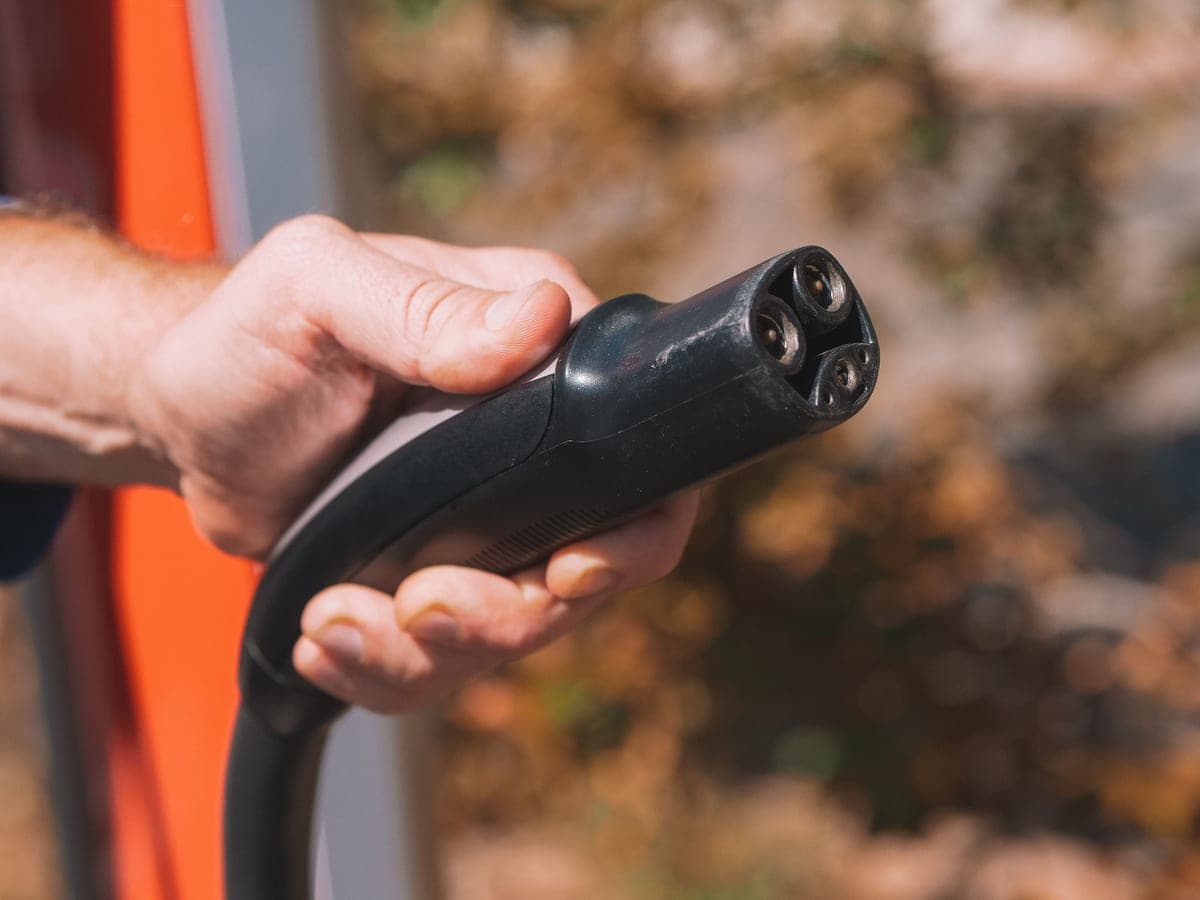
Search for a home EV charger and you will find dozens of brands you have never heard of -- Eviqo among them -- at prices well under the established names. Some of these are perfectly legitimate products from manufacturers who simply do not spend on marketing. Some are not.
We are not going to pretend we can tell you which is which from a listing page, because we have not tested any of them and neither has anyone else writing about them. What we can give you is the checklist we would use, and the specific wording that should end the transaction.
1. The certification wording, read literally
This is the check that matters most, and it turns on small differences in phrasing:
| Wording on the listing | What it actually means |
|---|---|
| "UL listed" / "ETL listed" / "CSA certified" | The device itself has been evaluated by a recognized testing laboratory. This is what you want. |
| "Tested to UL standards by CSA" | Also fine. CSA is a Nationally Recognized Testing Laboratory. |
| "UL certified components" | Some parts inside are listed. The device is not. Not the same claim. |
| "Meets UL standards" / "designed to UL 2594" | A self-assertion. Nobody independent has verified it. |
| "CE" only | A European self-declaration marking. It is not a North American safety listing. |
2. Is there a real specification sheet?
A manufacturer that stands behind a product publishes a datasheet with the output, the enclosure rating, the operating temperature range and the required circuit. If everything you can find is marketing copy on a marketplace page, you have no way to check anything -- including whether the amperage claim is the continuous rating or a peak.
3. Warranty terms you can actually read
The known units in our roundup publish three- and four-year warranties with terms you can find. A warranty is only as good as the entity honoring it, so look for a published warranty document and a support address, not a duration on a bullet list.
4. Does it match what your install needs?
Check the connector against your car, the amperage against what your panel can feed, and the cable against your actual measured run. A cheap charger that is wrong on any of those three is not a saving. See how to choose an EV charger.
What we would do
If a marketplace unit is genuinely listed by a recognized laboratory, publishes a real datasheet, and matches your requirements, it is a reasonable buy and you will have saved real money. If it fails the certification test in section 1, walk away -- not because the brand is unknown, but because you are wiring an unverified 40-amp continuous load into your house. That is the one place on this project where saving $150 is not worth it.
FAQ
Questions people actually ask
Are cheap EV chargers from marketplaces safe?
What is the difference between UL listed and UL certified components?
Will an inspector reject an uncertified EV charger?
Sources
Where these numbers come from
- NEC Article 625: EV charging equipment — WireRefRequirements for EV supply equipment, including listing.
Read next
Related reading
- How to check an EV charger's safety certificationWhat UL, ETL and CSA marks mean, and the wording designed to look like certification.
- The cheapest home EV charger that is still a good ideaThe cheapest Level 2 chargers that are still properly certified, and the corners not to cut.
- The best home EV chargers, for people buying their first oneSix Level 2 chargers ranked for a first-time buyer, with an honest reason to skip each one.
- Do you need a permit for an EV charger?When a permit is required, what it costs, what the inspector checks, and why to bother.