By vehicle
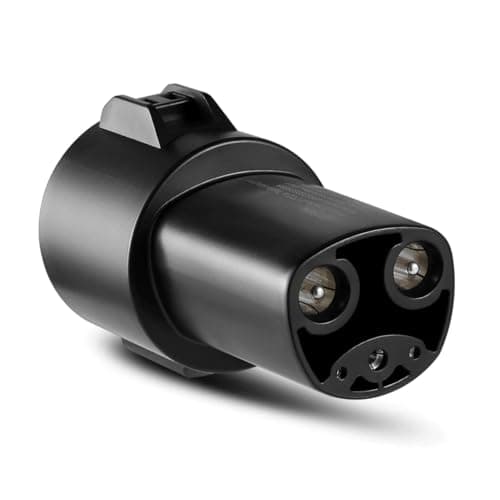
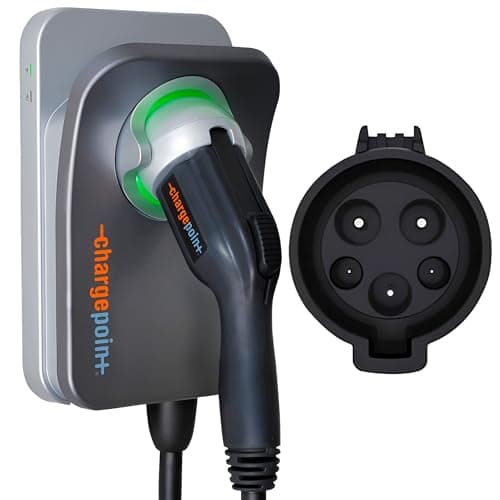
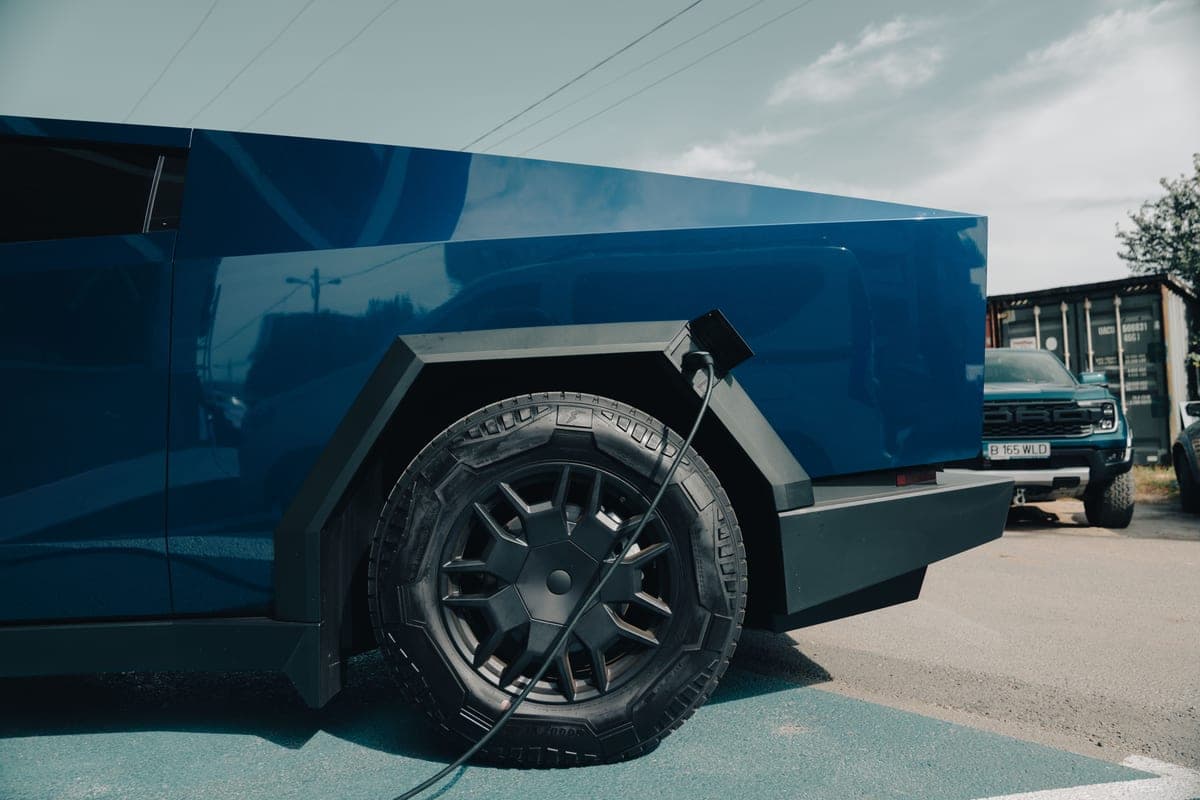
Wall Connector, Universal, or a J1772 unit with the included adapter -- and how to choose.
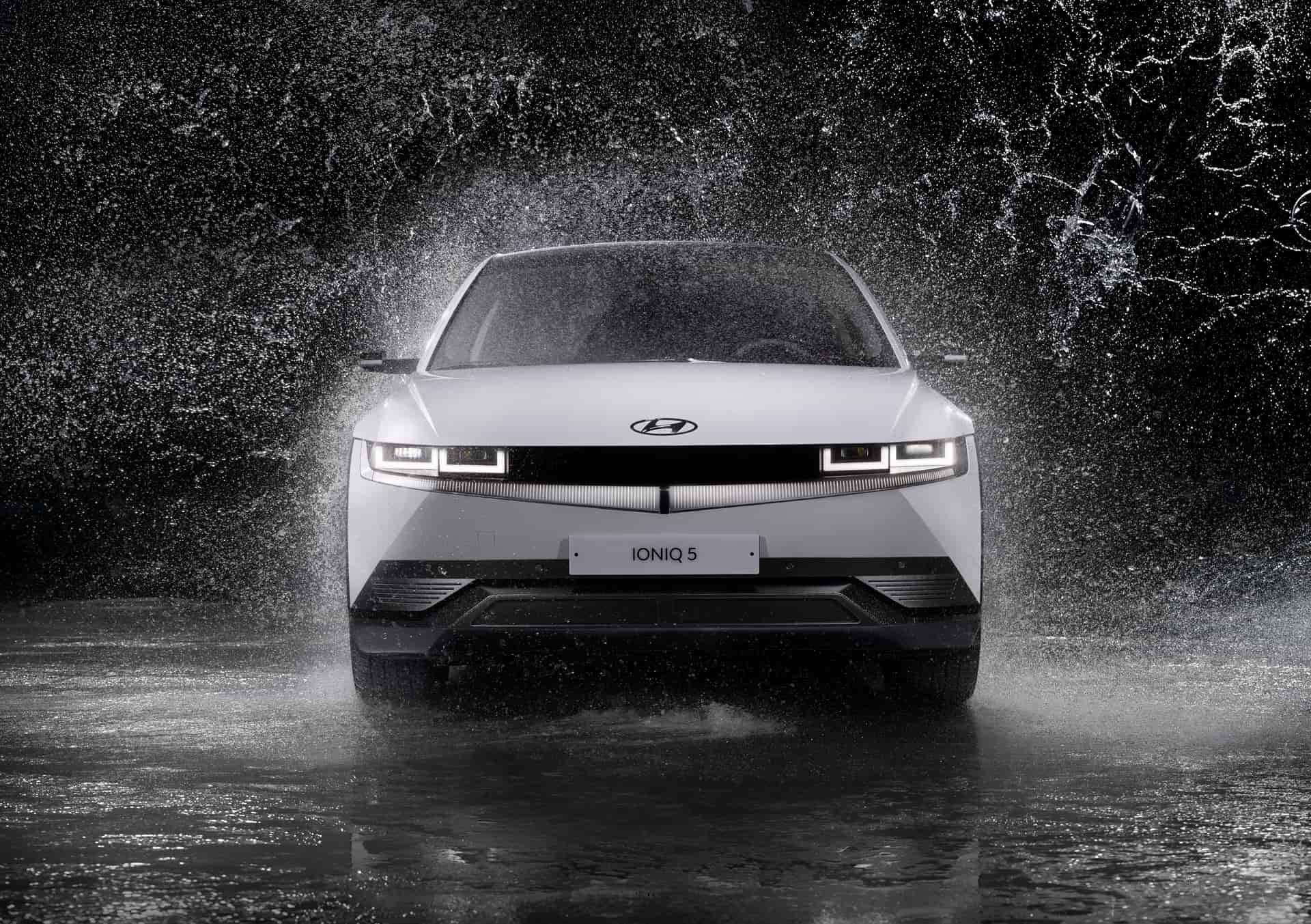
By vehicle
Which charger fits an Ioniq 5, and why the model year decides your connector.
By vehicle
Connector guidance for R1T and R1S, and why a big battery justifies more amps.
By vehicle
Connector guidance and sizing for a large-battery luxury EV like the Lyriq.
By vehicle
Why a Lightning's battery favors 48 amps, and the connector answer for Ford EVs.
By vehicle
Connector guidance for the Equinox EV, and why 32 to 40 amps is usually plenty.
By vehicle
Connector guidance for the Mach-E and how to size the charger to your driving.
By vehicle
Connector guidance for the EV6 across the NACS switch, plus charger sizing.
By vehicle
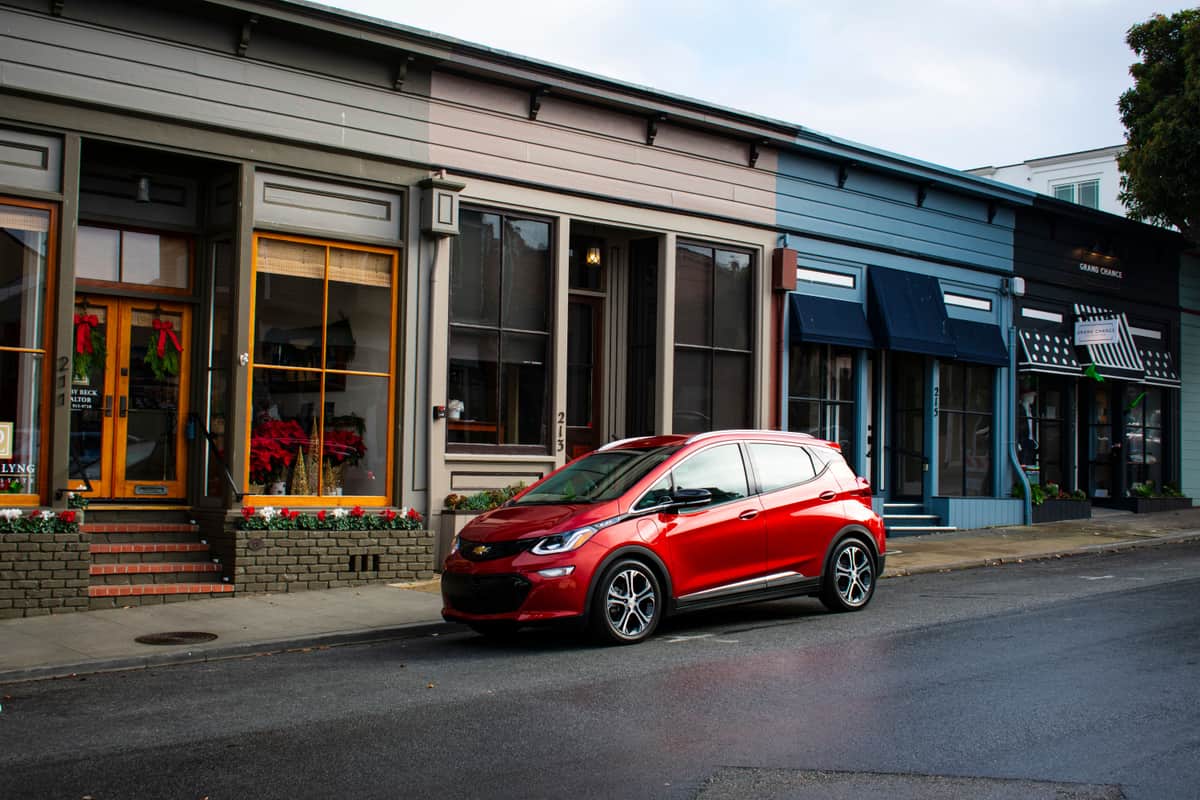
Connector guidance for the Bolt across the NACS switch, and why 32 to 40 A is plenty.
By vehicle
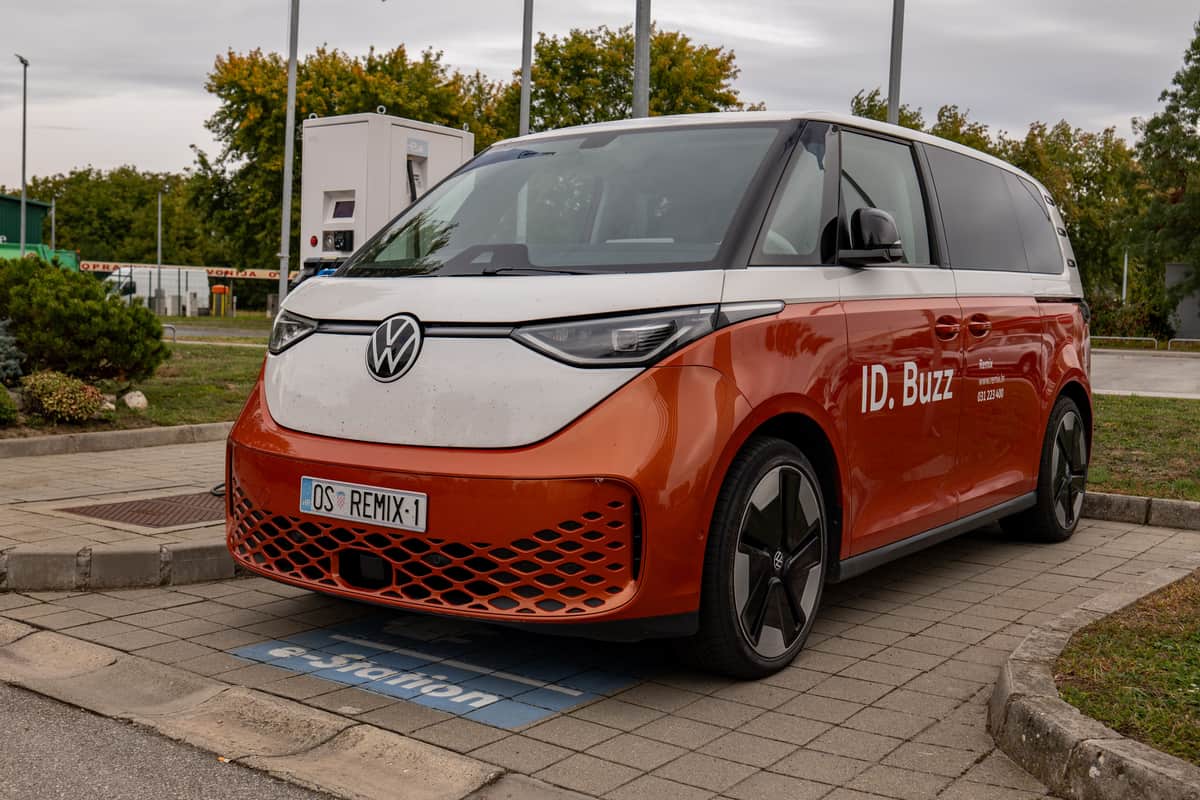
Connector guidance for the ID.4, and why its NACS adapter is a road-trip item.
By vehicle
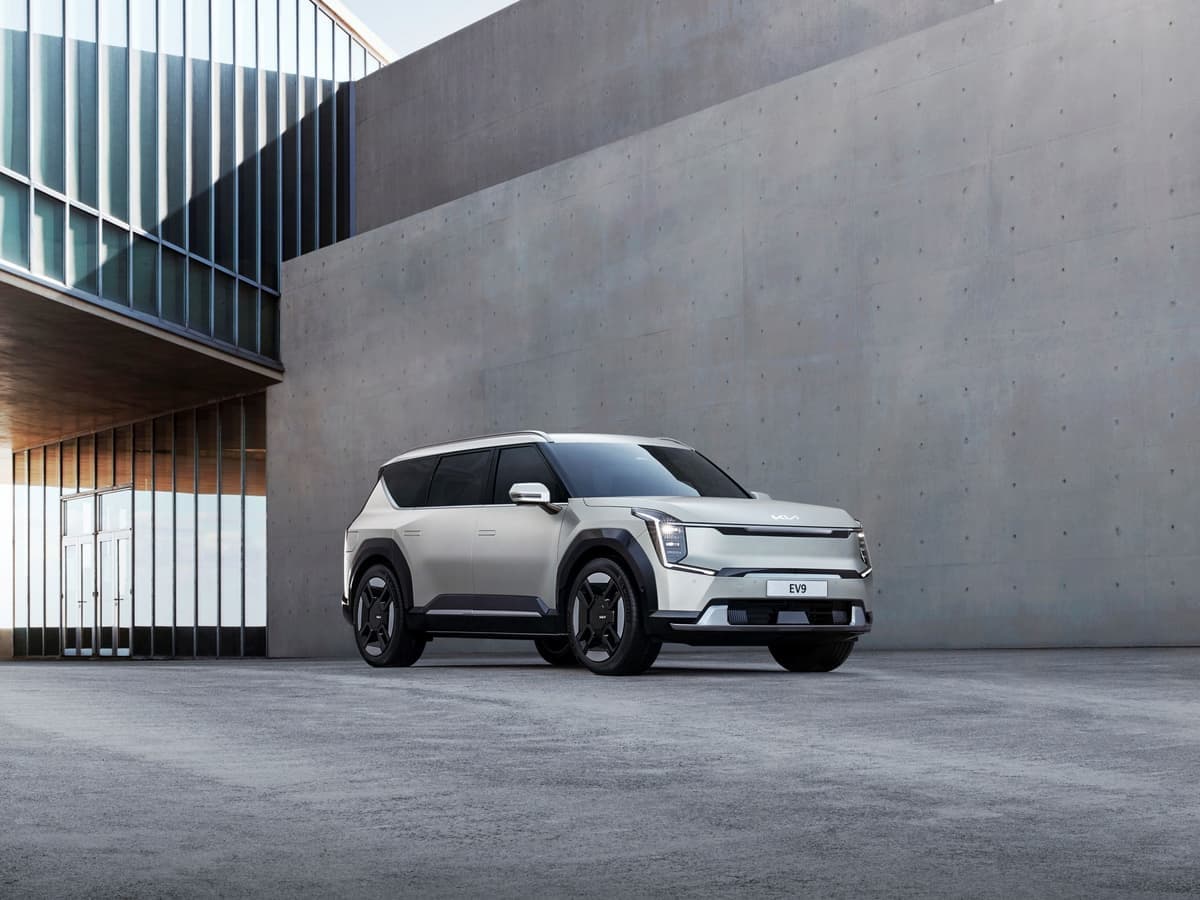
Connector guidance across the EV9's NACS switch, and why its big battery justifies 48 A.
By vehicle
The 2026 Leaf's two-port layout explained, and why a modest charger is the right buy.
By vehicle
Why a J1772 charger fits every Prologue, and why Honda's NACS adapter is not for home use.
By vehicle
48 A for a huge battery, and the Universal Wall Connector's role in Powershare home backup.
By vehicle
Connector guidance across the Ioniq 6's move to NACS, and the charger that serves both ports.
By vehicle
The bZ4X-to-bZ changeover explained, and the charger that suits both.
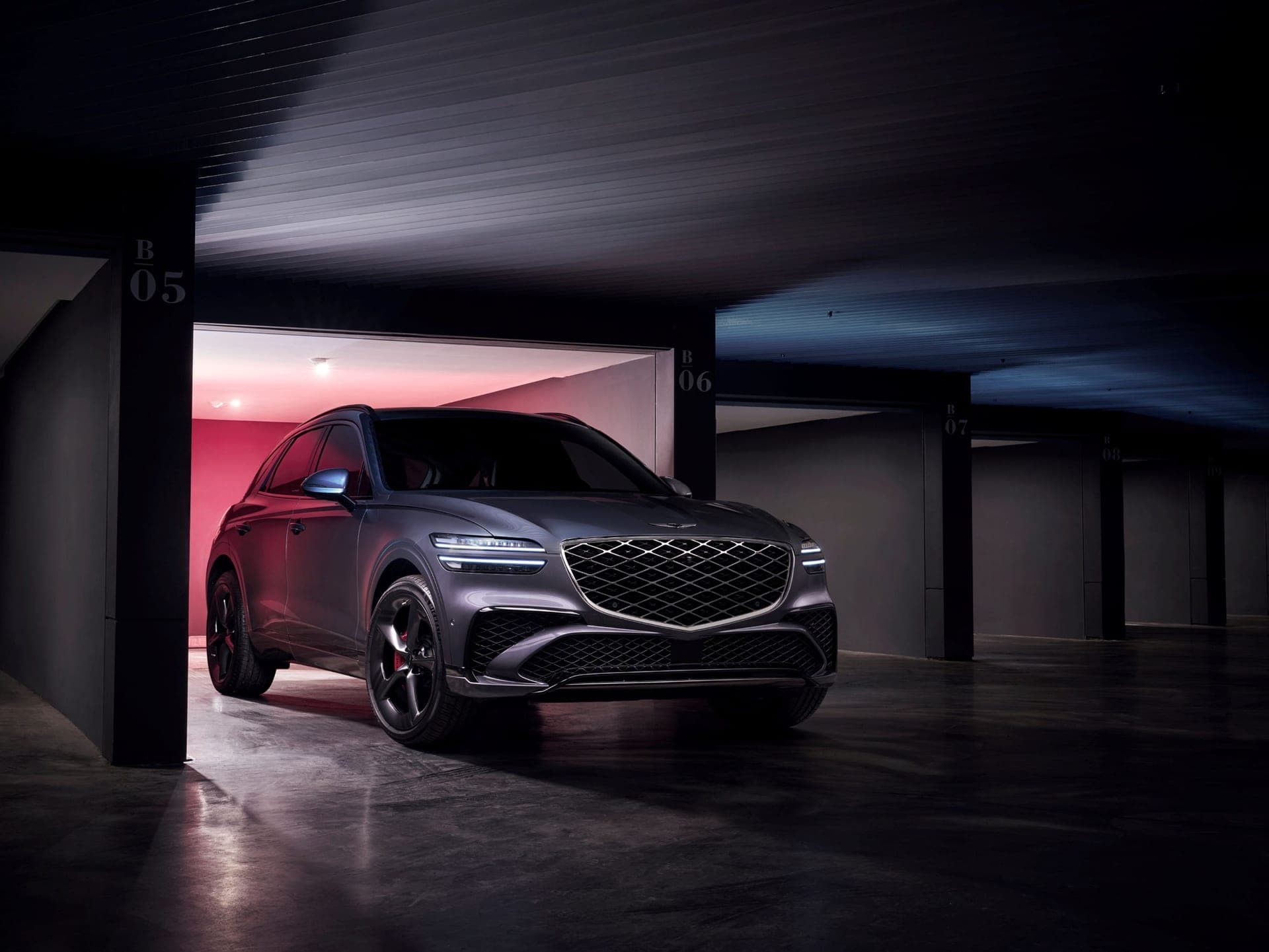
By vehicle
The GV60's 2026 move to NACS, and a charger that serves both ports.
By vehicle
The 2026 RZ's NACS port and 11 kW onboard charger, and why 48 A earns its circuit here.
By vehicle
Why a J1772 charger is the simple answer for a Niro EV, and when a modest one is enough.
By vehicle
A J1772 charger for a CCS truck, and why a big battery justifies 48-50 A.
By vehicle
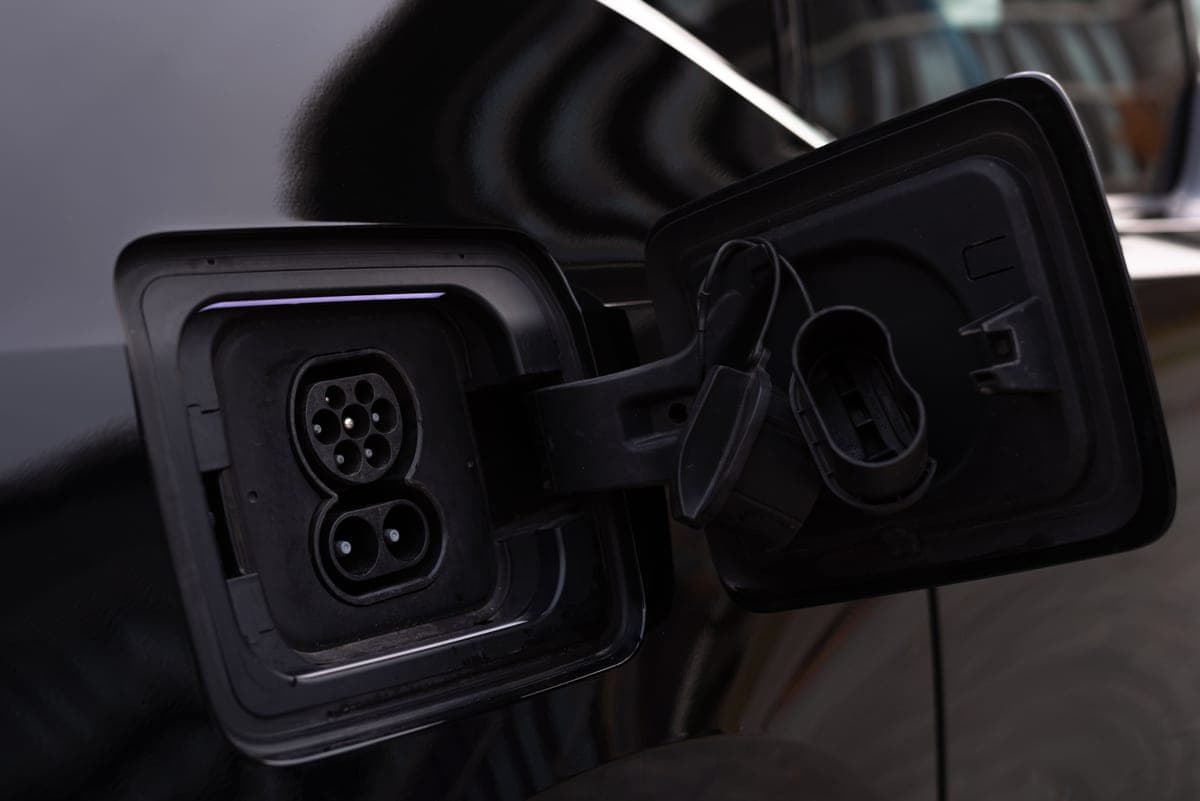
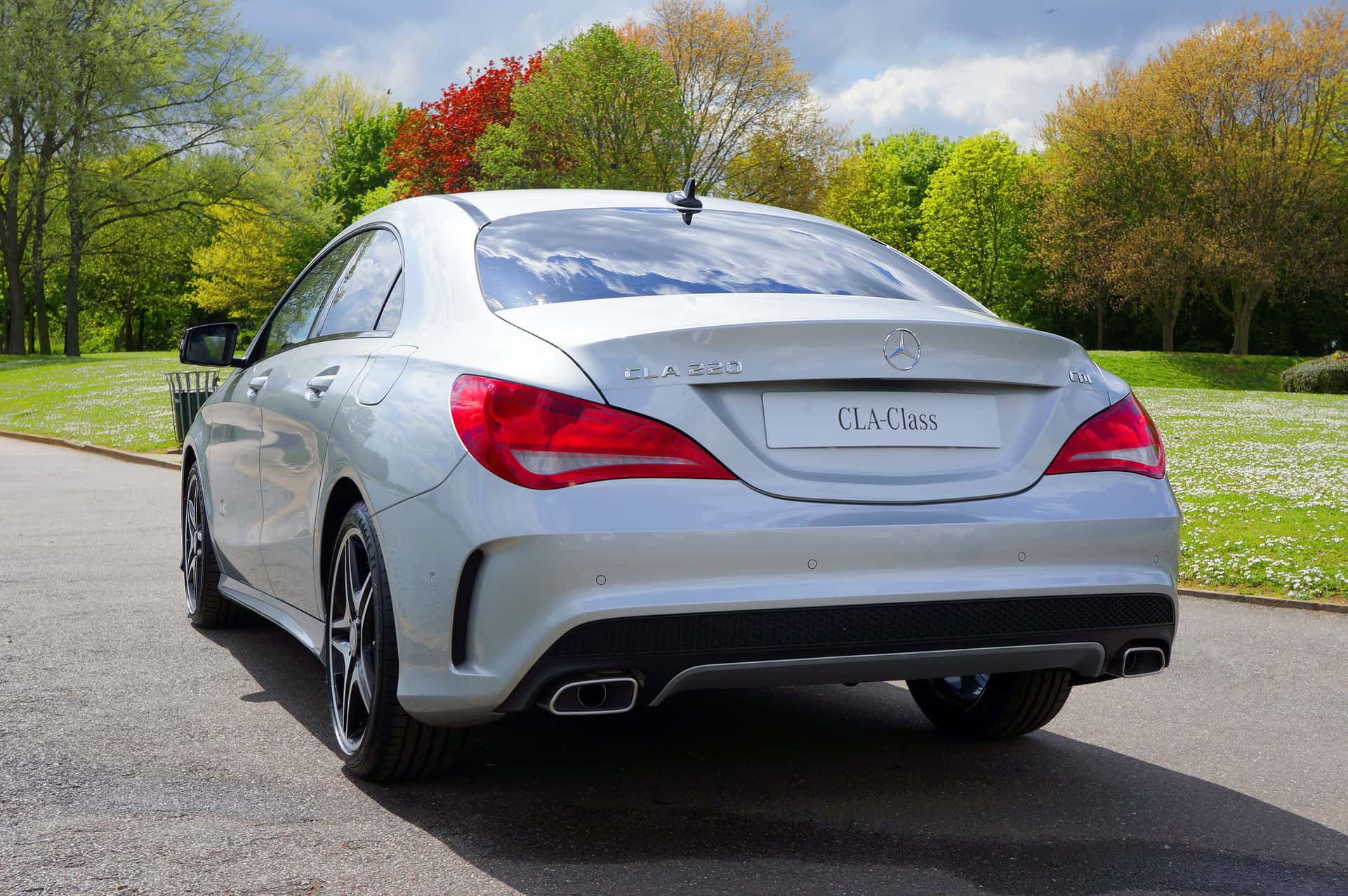
The CLA's two-port layout explained, and why home charging means a J1772 charger.
By vehicle
GM's first native-NACS model, and the home chargers that plug straight in.
By vehicle
A J1772 charger for a CCS luxury SUV, and why a big battery justifies 48-50 A.
By vehicle
A J1772 charger for a CCS super-truck, and why the circuit size matters so much here.
By vehicle
Why a J1772 charger is the simple answer for a Blazer EV, and how big to go.
By vehicle
Why a J1772 charger fits every Polestar at home, and what the NACS adapter is for.
By vehicle
Why a J1772 charger fits the EX90, EX40 and EC40 at home, and what the adapter is for.
By vehicle
The Gravity's NACS port, the older Air's CCS port, and one charger for both.
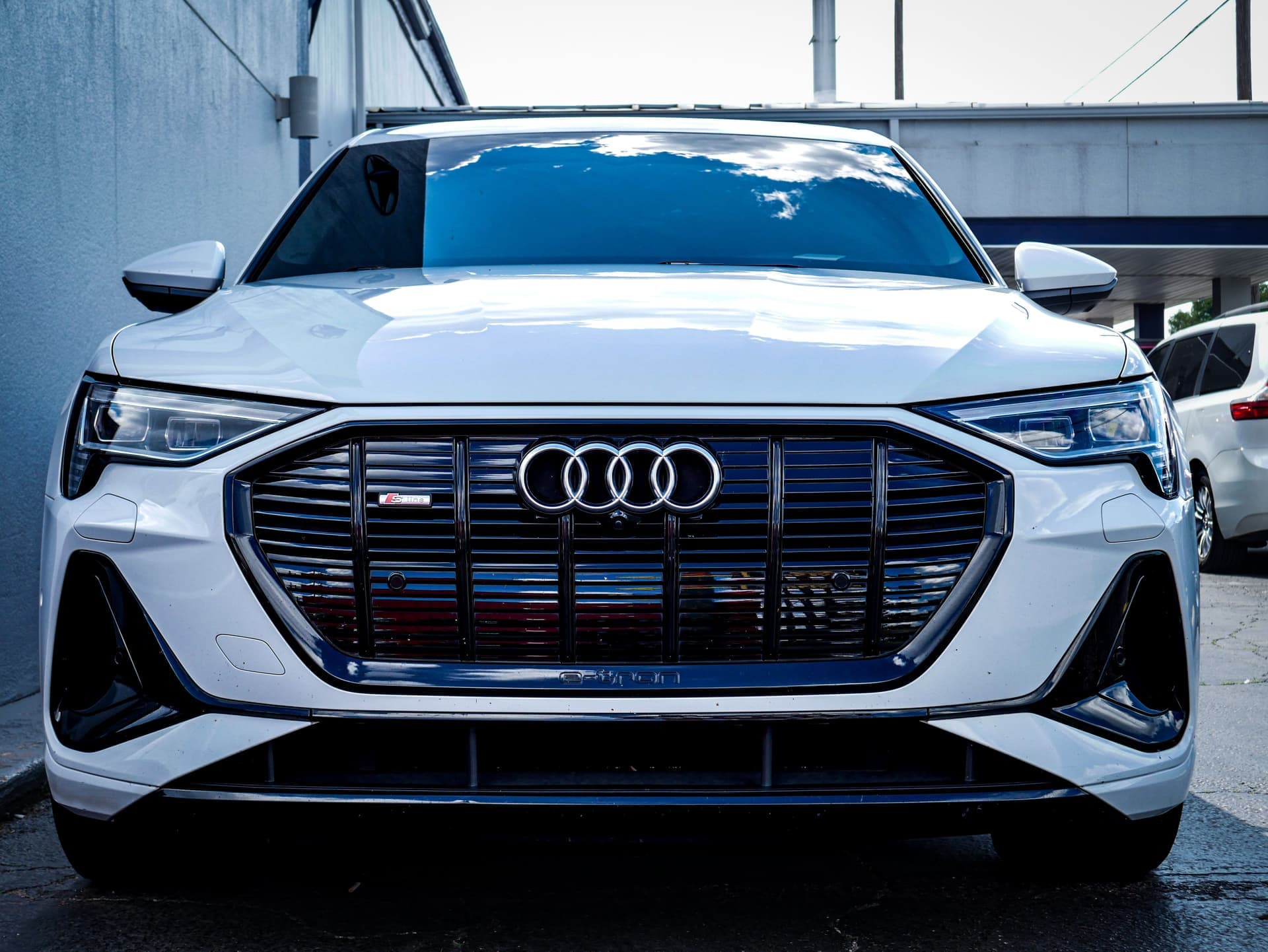
By vehicle
Why a J1772 charger fits every e-tron at home, and which models the NACS adapter covers.
By vehicle
Why a J1772 charger fits the ZDX at home, and what the NACS adapter is for.
By vehicle
Why a J1772 charger fits the Ariya's CCS port, and how it differs from the 2026 Leaf.
By vehicle
A native-NACS three-row SUV, and the home chargers that plug straight in.
By vehicle
The 2026 Electrified GV70's native NACS port, and the home chargers that fit it.
By vehicle
A CCS car that takes any J1772 home charger, and what NACS means for Stellantis.
By vehicle
Toyota's 2026 electric C-HR has a native NACS port: the home chargers that fit it.
By vehicle
Every EQ model takes a J1772 home charger; the 2026 CLA is the exception.
By vehicle
What Porsche's NACS adapter is for, and the J1772 home chargers that suit a Taycan or Macan.
By vehicle
Subaru's 2026 EVs have native NACS ports: the home chargers that fit old and new.
By vehicle
A J1772 charger for a CCS inlet, and what VW's expected NACS switch means for 2026.
By vehicle
A J1772 charger plugs straight in; the question is how big a circuit the truck earns.
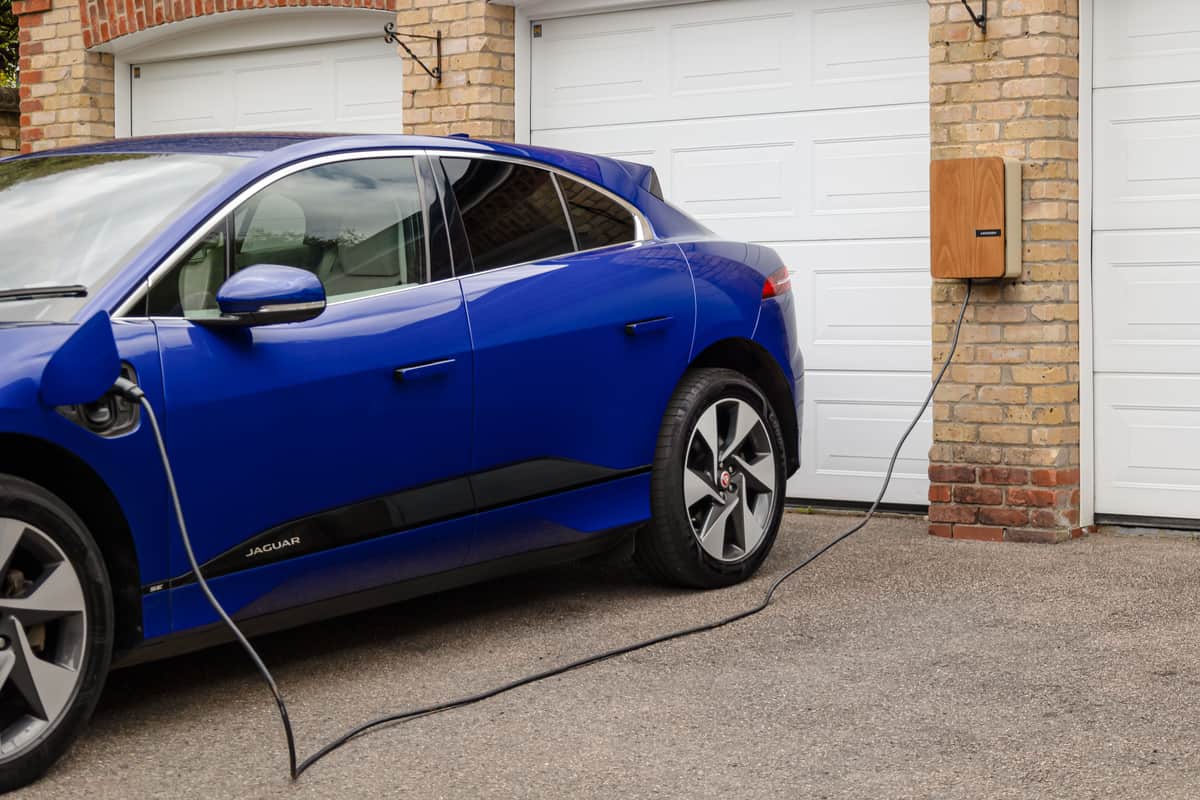
By vehicle
What Jaguar's NACS adapter is for, and the J1772 home chargers that suit an I-Pace.
By vehicle
A J1772 charger for a CCS inlet, and what BMW's NACS switch on the iX3 means for the rest.
By vehicle
A J1772 charger for a CCS inlet, plus what MINI's place in BMW's NACS plan means.
By vehicle
The 11 kW or 19 kW onboard charger decides the whole purchase. How to tell which you have, then what to buy.
By vehicle
Sierra EV and Hummer EV consumption from EPA data, what each charger tier adds per hour, and when 80 A earns its circuit.
By vehicle
EPA consumption for every 2026 Model Y trim, miles added per hour at 32, 40 and 48 A, and which connector route to take.
By vehicle
The first BMW with a NACS port: why the included CCS adapter does nothing at home, and the two ways to charge an iX3 on a 240 V circuit.