Permits
Do you need a permit for an EV charger?
For a new 240-volt circuit, almost certainly yes. It costs $50 to $300, your electrician handles it, and skipping it costs more than it saves.
By Sawyer V. · Published September 8, 2026
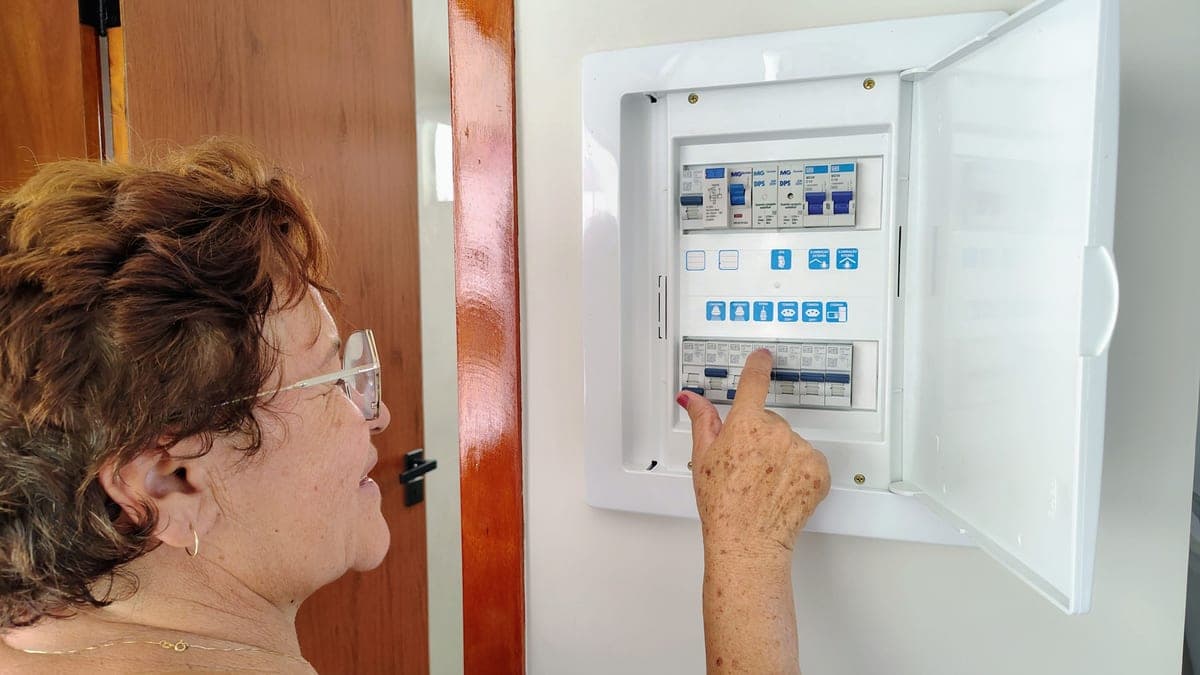
Short answer: if an electrician is creating a new 240-volt circuit, you need an electrical permit in nearly every US jurisdiction. If you are plugging a portable charger into an outlet that already exists, you generally do not.
Published figures put permit fees at roughly $50 to $300. Your electrician normally pulls it and includes it in the quote -- if a quote does not mention a permit, ask why.
What the inspector actually checks
- Breaker size against the charger's rating and the continuous-load rule.
- Conductor size against the breaker, the run and the installation method.
- Terminations, grounding and bonding.
- GFCI protection where required for the installation type and location.
- Equipment listing -- that the charger carries a recognized safety listing. This is where an uncertified marketplace unit fails.
- Mounting and physical protection, particularly where a vehicle could strike the unit.
None of this is adversarial. An inspector signing off is a free second opinion on work you cannot easily evaluate yourself.
Why skipping it costs more than it saves
- Resale. Unpermitted electrical work is a routine home-inspection finding. Buyers either want it corrected and permitted retroactively, or they discount for it.
- Insurance. If unpermitted work is implicated in a claim, expect scrutiny.
- Rebates. Utility and state charger programs generally require permitted, licensed work with documentation.
- The warranty. Improper installation is a standard exclusion.
- Retroactive permitting is worse. Getting after-the-fact approval can mean opening finished walls to expose the run.
How to find out your local rules
Search for your city or county name plus "electrical permit". Most jurisdictions publish a fee schedule and describe what requires a permit. If your home is in an HOA or a condo association, check their rules too -- they are separate from the municipal permit and are a common source of surprise, particularly for anything visible from outside or in shared parking.
FAQ
Questions people actually ask
Do I need a permit to install an EV charger at home?
How much does an EV charger permit cost?
Who pulls the permit, me or the electrician?
What if my charger was installed without a permit?
Sources
Where these numbers come from
- Level 2 EV charger installation cost in 2026 — SimpleSwitchPublished permit fee range. Fetched 2026-09-08.
- NEC Article 625: EV charging equipment — WireRefRequirements an inspector checks against.
Read next
Related reading
- EV charger disconnect requirementsThe 2023 rule, the 2026 rewrite that dropped the 60-amp threshold, and why a plug-in install sidesteps the whole question.
- Can you install your own EV charger?What you can legally do yourself, what needs an electrician, and why the difference matters.
- Hiring an electrician for your EV chargerThe questions to ask, what a comparable quote contains, and the red flags.
- EV charger tax credits and rebates in 2026The federal 30C credit expired June 2026. Where state and utility rebates still exist.
- How an EV charger gets installedThe full installation process step by step, and the point where a homeowner must stop.