The expensive half of the project, and the half nobody explains before you have already bought a charger. What it costs, what your panel needs, and where you stop and call an electrician.
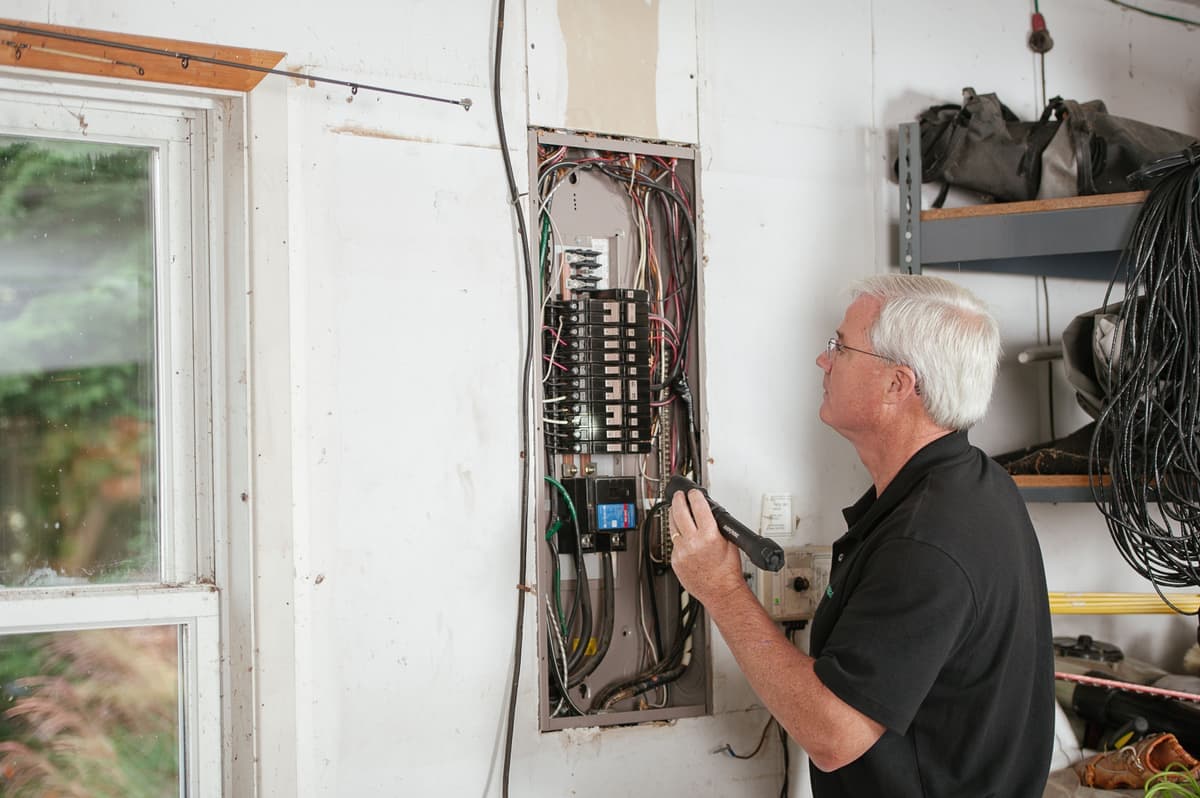
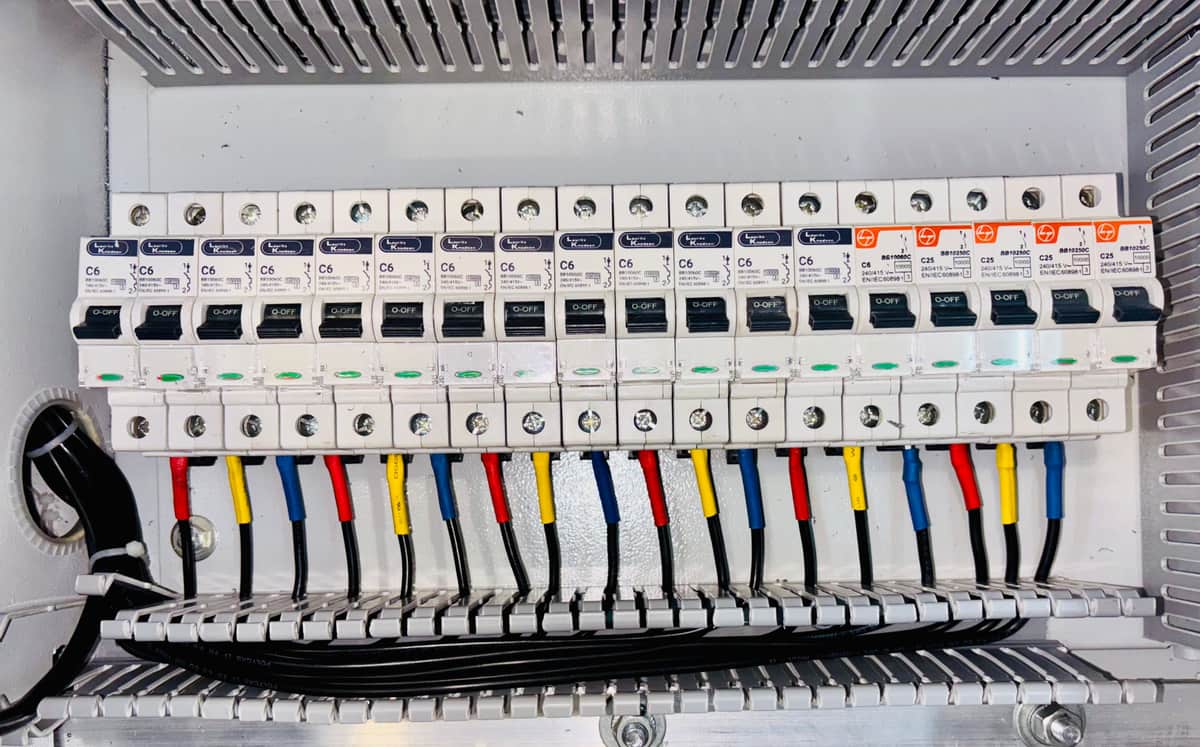
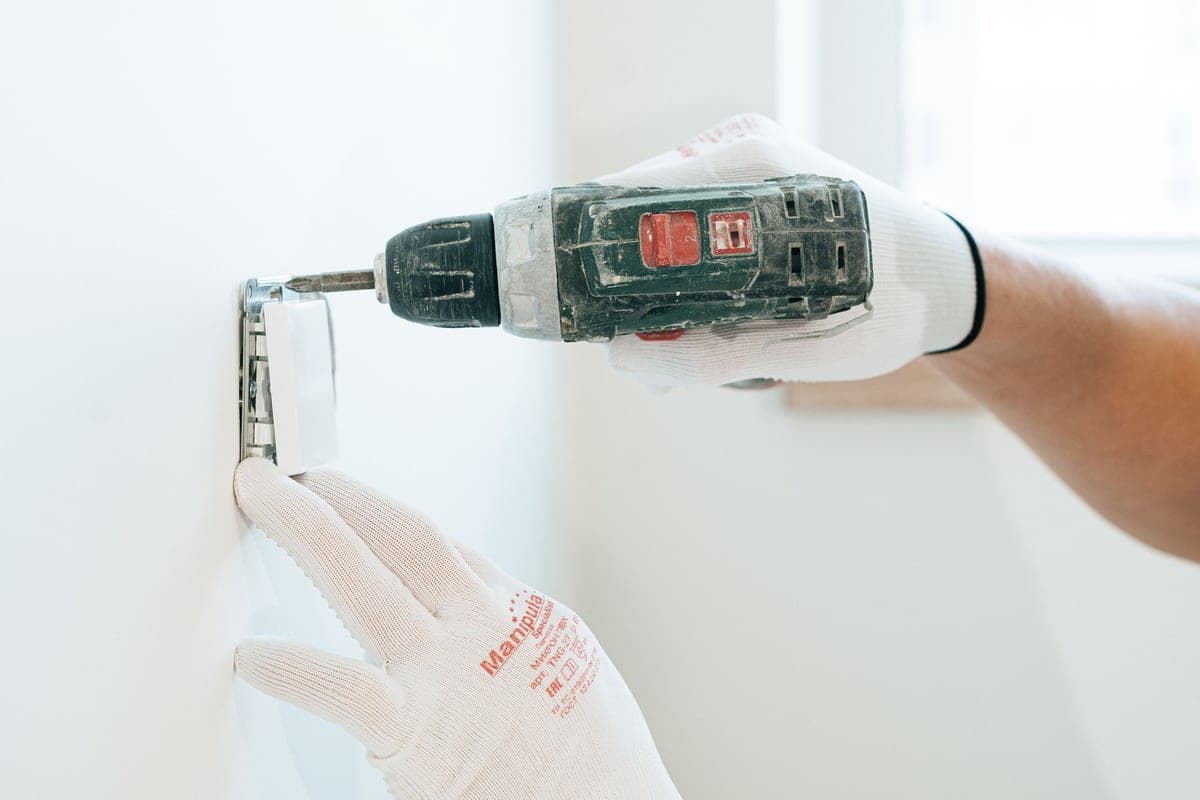
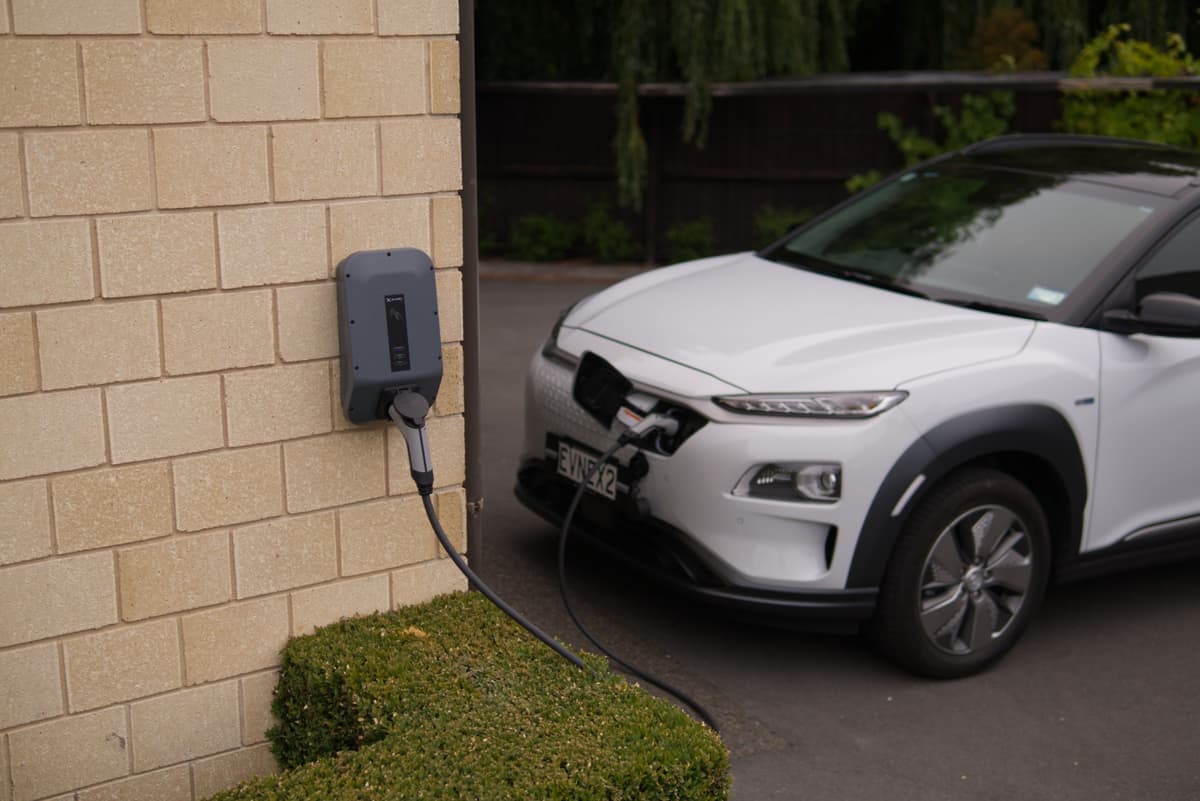
Most of the cost of home charging is getting a circuit from the panel to the wall. Illustrative photo.
How this page is funded: we earn a commission if you buy through our Amazon links, at no extra cost to you. It does not change what we recommend, and we say plainly when the honest answer is to buy nothing. Full disclosure.
Here is the thing most charger reviews leave out: the charger is usually the cheap part. Published 2026 figures put a typical home Level 2 installation somewhere around $1,400 to $2,200 all in, against a charger that costs $200 to $900. If your electrical panel is full, the number moves a lot -- a 100-amp to 200-amp service upgrade adds roughly $1,500 to $4,000 on its own.
That is why this section exists, and why we suggest reading it before you pick a model. The right charger for your house is partly decided by what your house can feed.
Start by finding out what your panel can spare
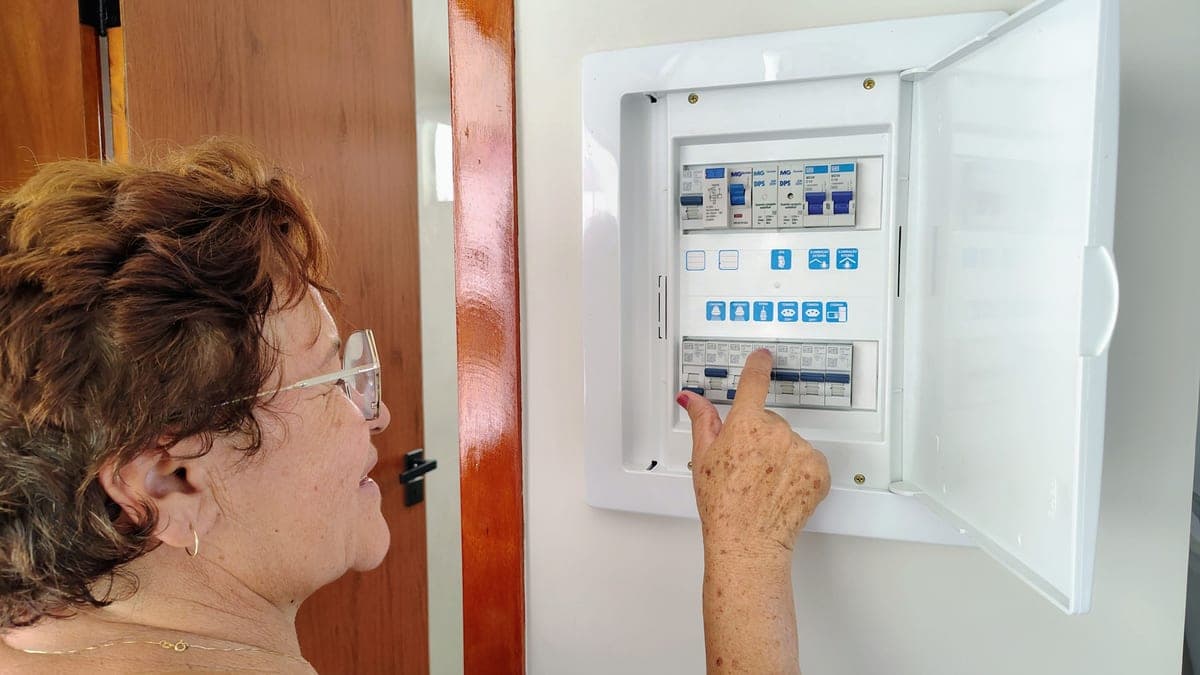
Open your panel door and read the main breaker: it will say 100, 150 or 200. That is your home's total service. Then count the empty slots. A charger needs a double-pole breaker, so it takes two adjacent slots. No free slots means a subpanel or a service upgrade, and that is the fork in the road financially.
Spare slots are necessary but not sufficient -- the question is whether your service can carry the new load alongside everything else. That is a load calculation, and it is arithmetic, not magic. We walk through it in electrical panel load calculation.
Then decide: hardwired or plugged in
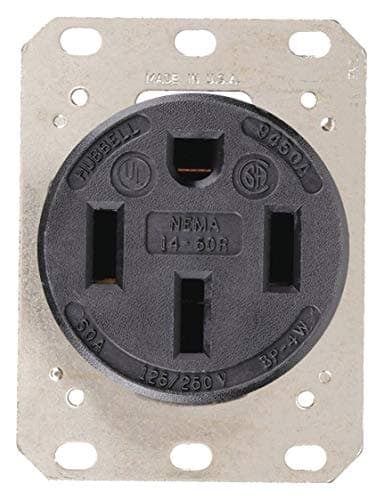
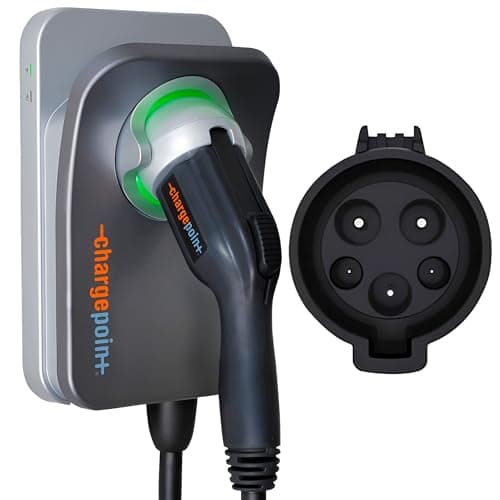
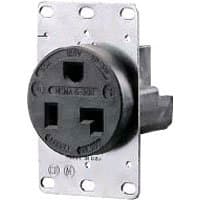
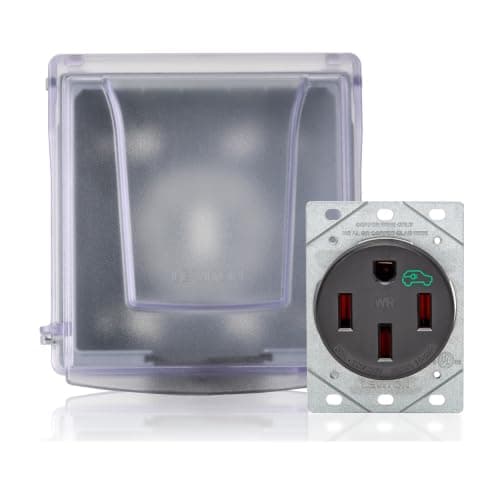
You can either wire the charger directly into the circuit (hardwired) or have an electrician install a NEMA 14-50 outlet -- the chunky 240-volt socket used for electric ranges -- and plug the charger into it. Both are legitimate. Hardwiring generally allows higher amperage and is more durable; a plug lets you take the unit with you when you move and swap it without an electrician.
This is the single highest-consequence decision in the whole project, so it has its own page: hardwired vs plug-in.
The circuit sizing rule, in full
An EV charger runs at full current for hours, so the electrical code treats it as a continuous load. The branch circuit has to be rated at not less than 125% of that load. Take the charger's maximum amps, multiply by 1.25, and round up to the next standard breaker size.
Worked example, 48-amp charger
48 A x 1.25 = 60 A
60 A is a standard breaker size, so the circuit is 60 A
6 AWG copper is rated 65 A at the 75 C column, which covers a 60 A breaker
Always check the manufacturer's installation manual: it states the required circuit for that specific unit, and it governs.
The full lookup table for every common charger size is on breaker and wire size. It is the page we would keep bookmarked.
Permits are normal, not a hassle to dodge
Most jurisdictions require an electrical permit to add a 240-volt circuit. Published figures put permit fees around $50 to $300. An unpermitted circuit is a problem when you sell the house, and potentially a problem with your insurer if anything ever goes wrong. Your electrician normally pulls it. Do I need a permit covers what to expect.
Getting a number for your own house
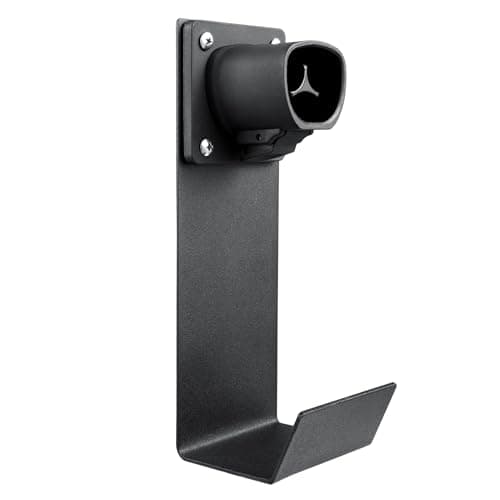
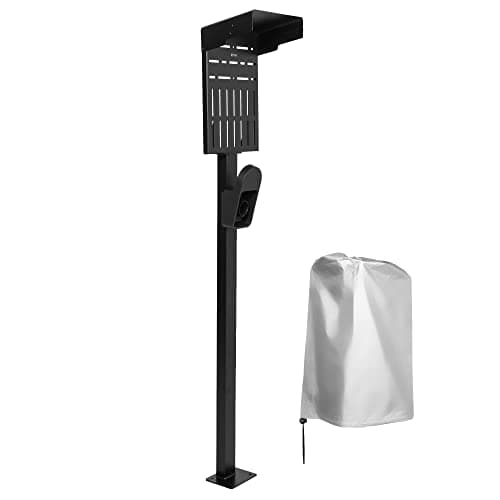
Run the install cost calculator. It adds published ranges for the options you pick -- charger tier, wiring difficulty, panel situation, permit, outdoor work -- and shows you a band rather than a falsely precise figure. Then get two or three quotes. Hiring an electrician lists what to ask so the quotes are comparable. For what the charging itself costs once it is in, EV charging vs gas works it out from published EIA and EPA figures. And if the quote comes back too high because the panel is full, Splitvolt vs NeoCharge compares the two listed ways to share an outlet you already have. If there is no wall to hang the charger on at all, pedestals and mounting hardware covers the options.
Everything in Installation
All 59 pages in this section
Grouped by what each one does. Every page names a recommendation or a next step rather than leaving you with a survey of options.
Why a plug-in outdoor install needs an extra-duty 2-gang while-in-use cover, why a 1-gang bubble cover will not fit, and what the charger itself needs.
Top pick: Leviton Weather-Resistant EV Outlet with Clear Cover (EVCVP-50)
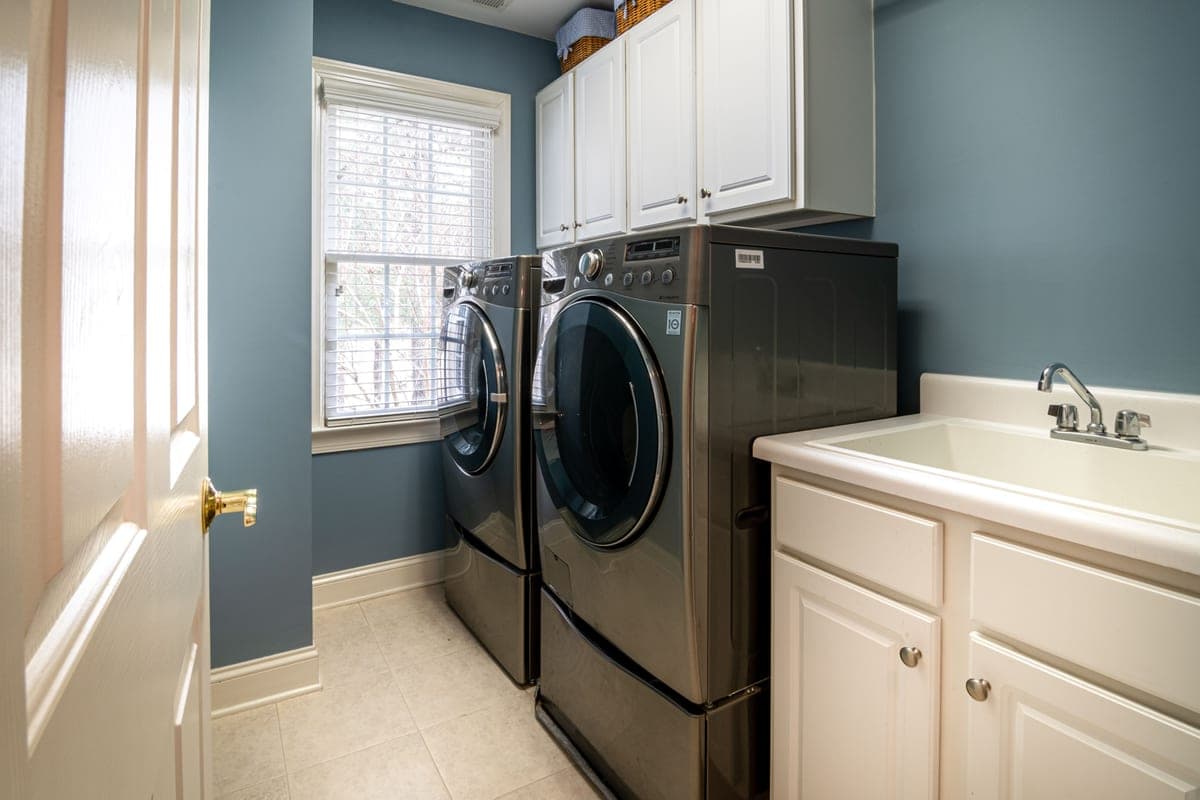
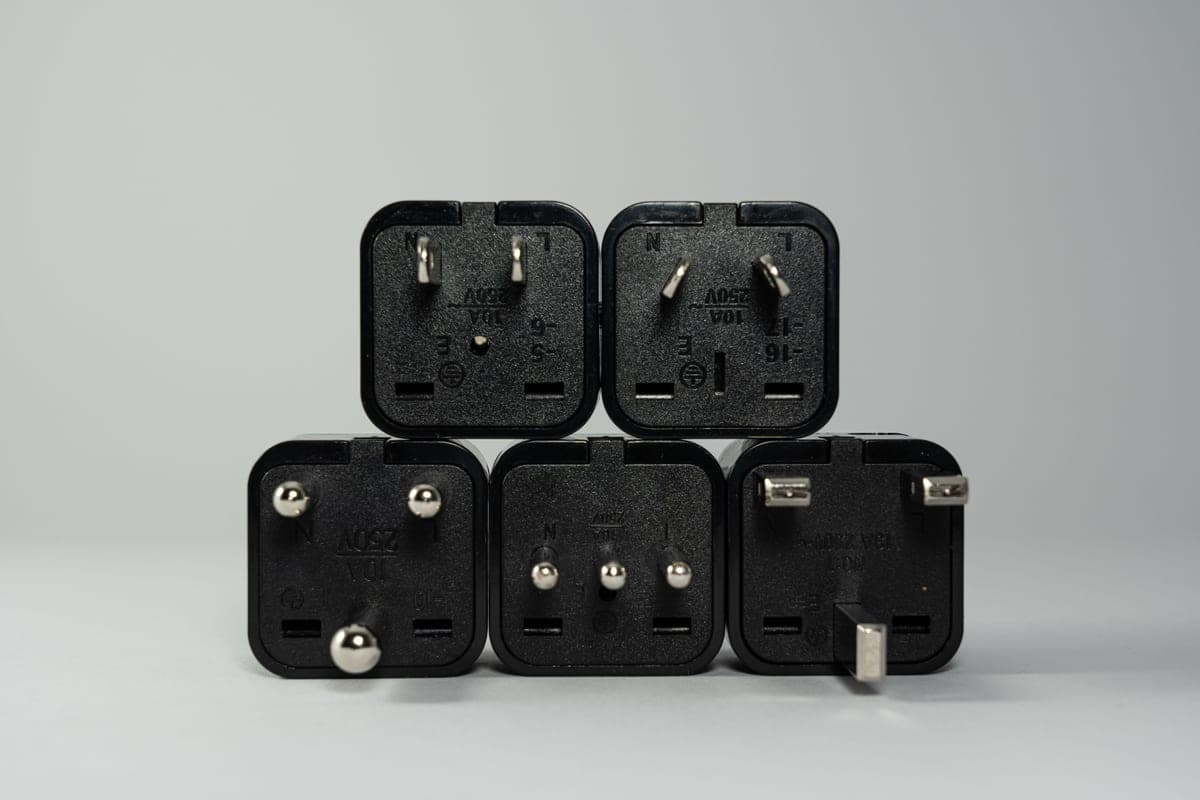
24 amps from the dryer outlet against 40 from a dedicated 50-amp circuit, converted into miles per night -- and why a plain 14-30 to 14-50 adapter is not safe.
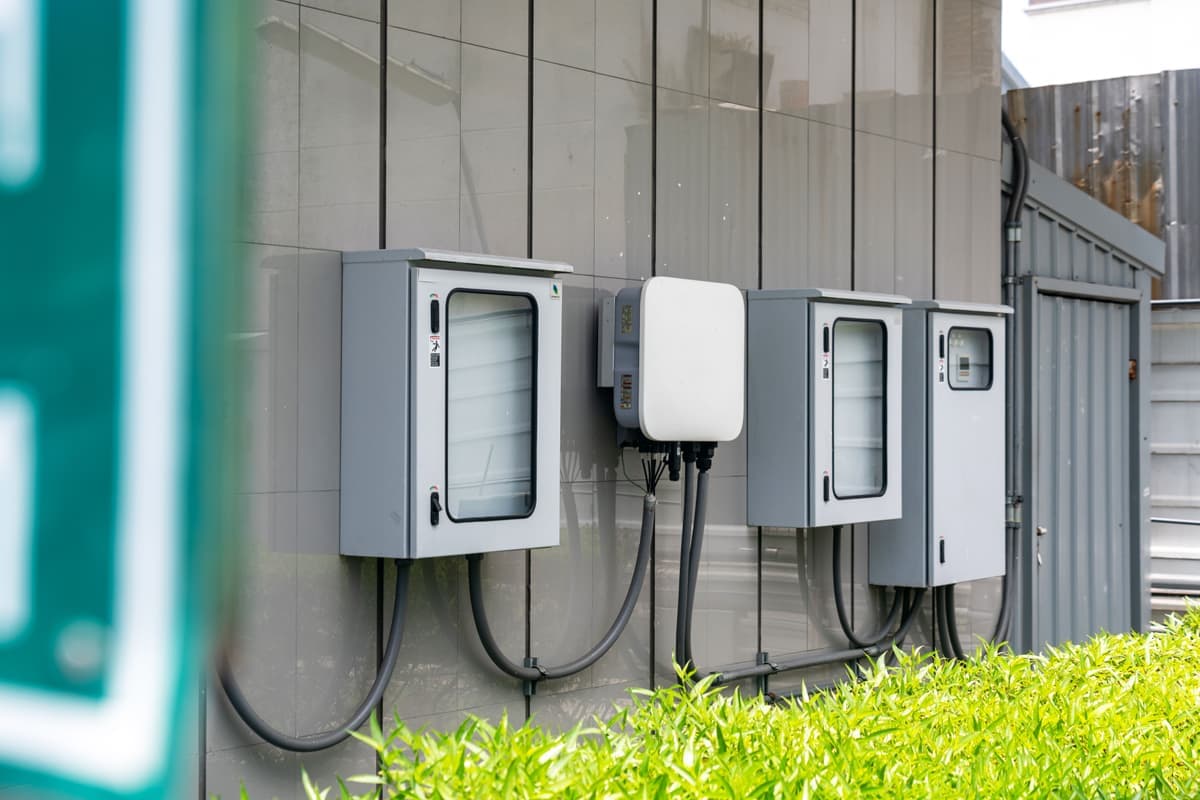
Why building power is often 208 V, the 13% speed difference that follows, and why the breaker and wire do not change.
FAQ
Questions people actually ask
How much does EV charger installation cost?+
Published 2026 figures put a typical project around $1,400 to $2,200 all in, with a wide real range: roughly $400 to $1,500 for labor and permit on a simple job, and considerably more if your panel needs a subpanel or a service upgrade.
Do I need to upgrade my electrical panel?+
Only if a load calculation says your service cannot carry the charger alongside your existing loads, or you have no spare breaker slots. Many homes with 200-amp service and a modest load can add a charger without touching the panel.
Is the federal EV charger tax credit still available?+
No. The Section 30C residential credit expired on June 30, 2026 under the One Big Beautiful Bill Act. State, city and utility rebates may still apply where you live.
How long does installation take?+
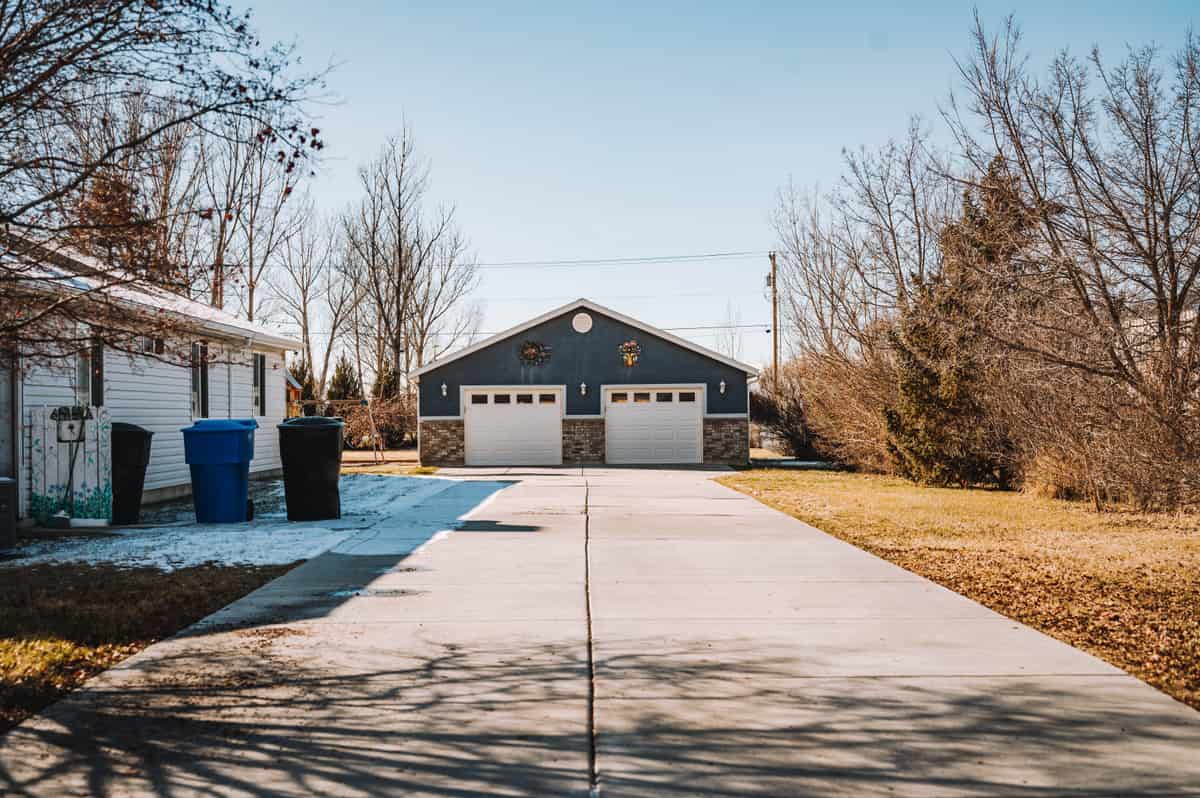
A straightforward install where the panel is close to the parking spot is often a few hours' work. Long runs, trenching to a detached garage, or a panel upgrade turn it into a multi-day job with an inspection in the middle.