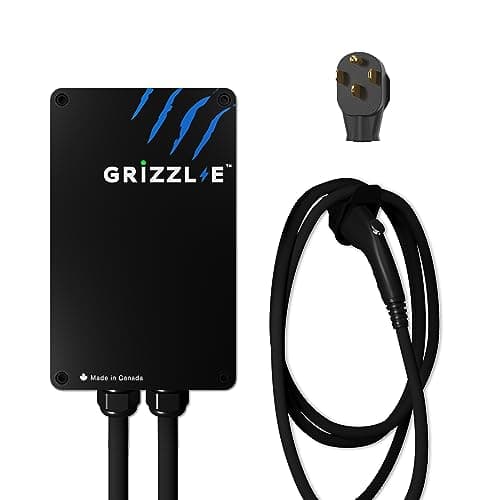
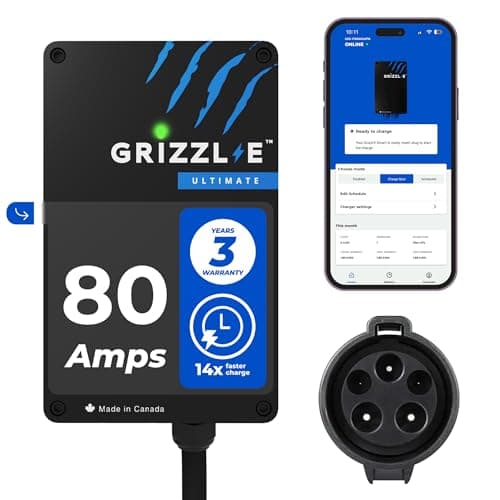
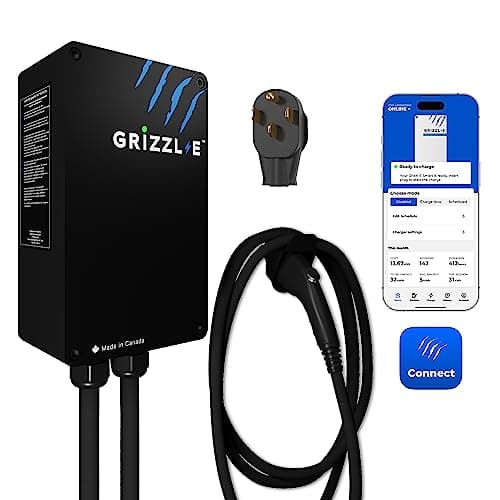
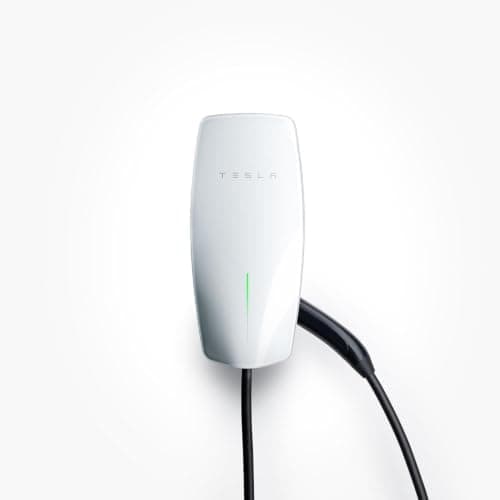
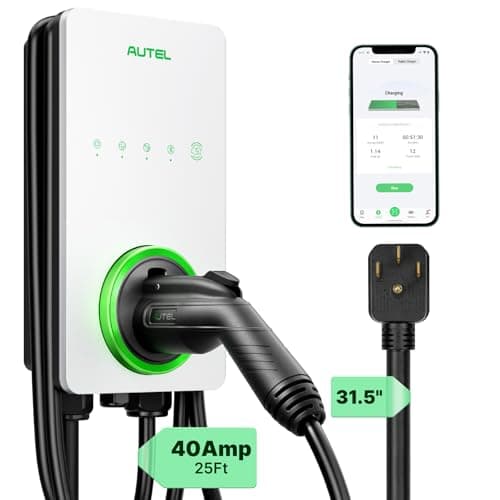
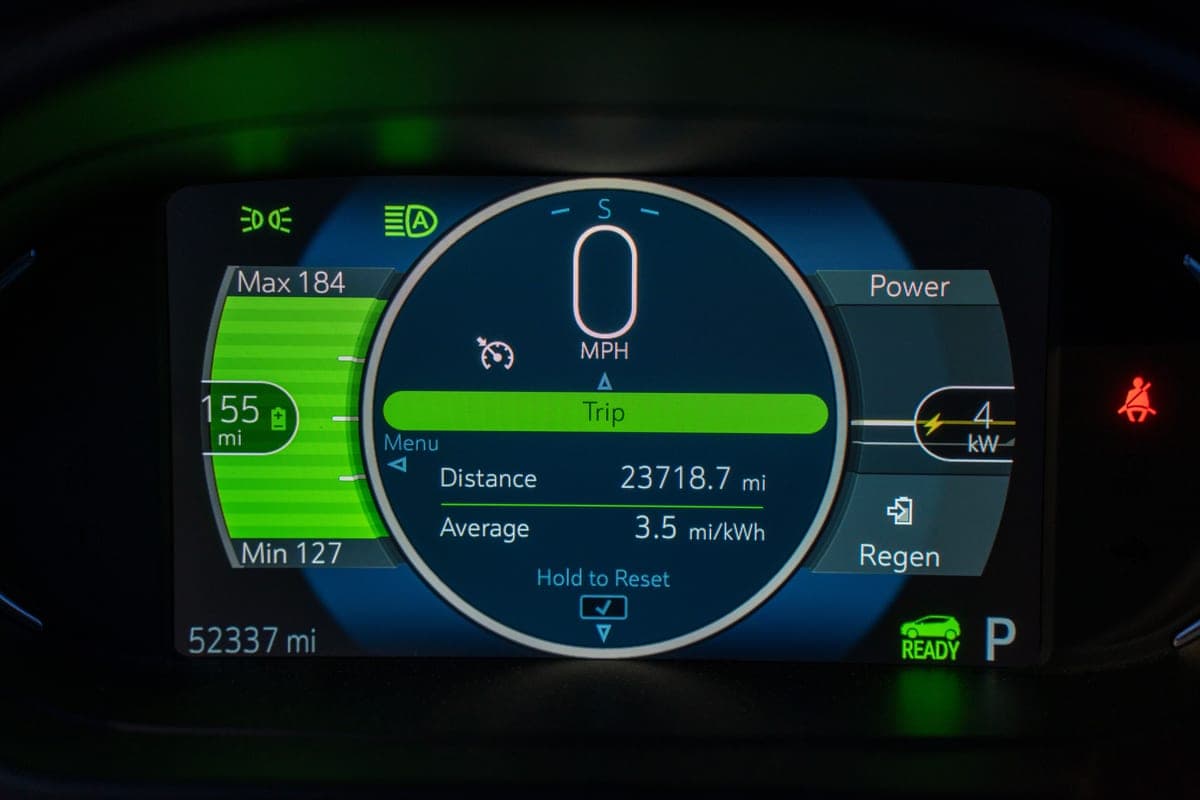
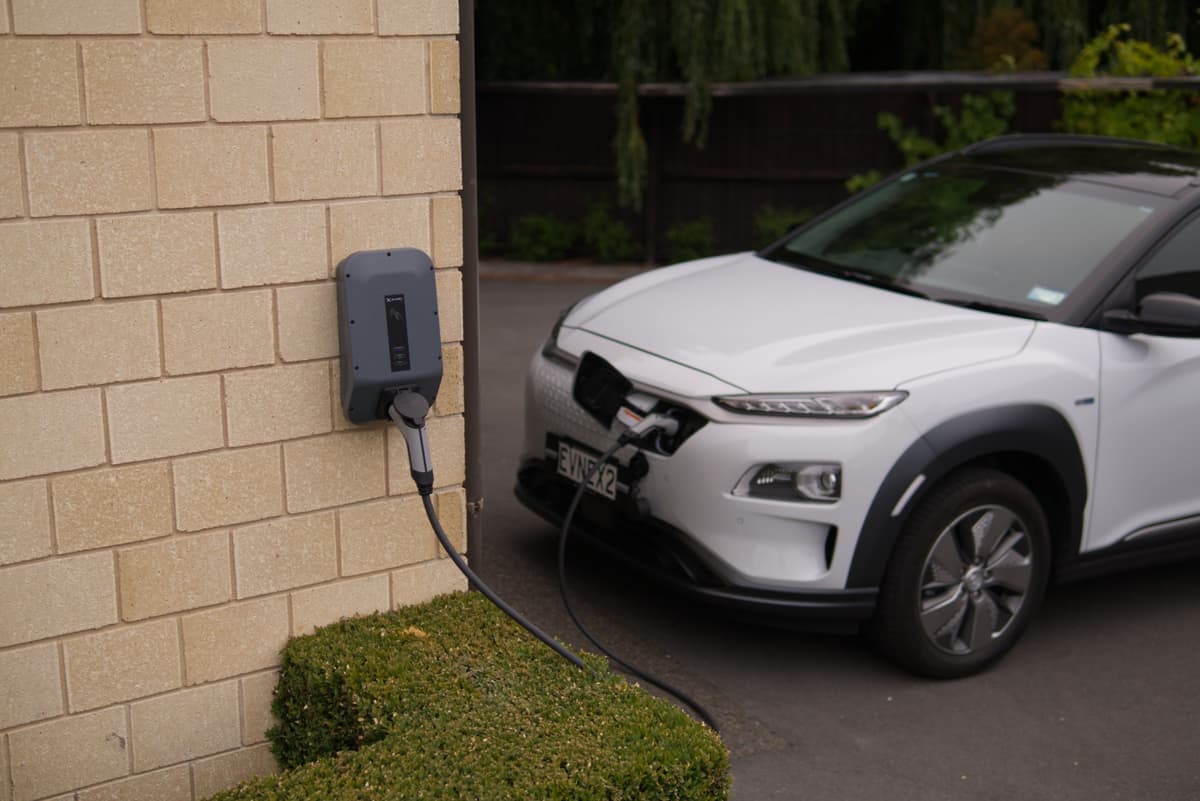
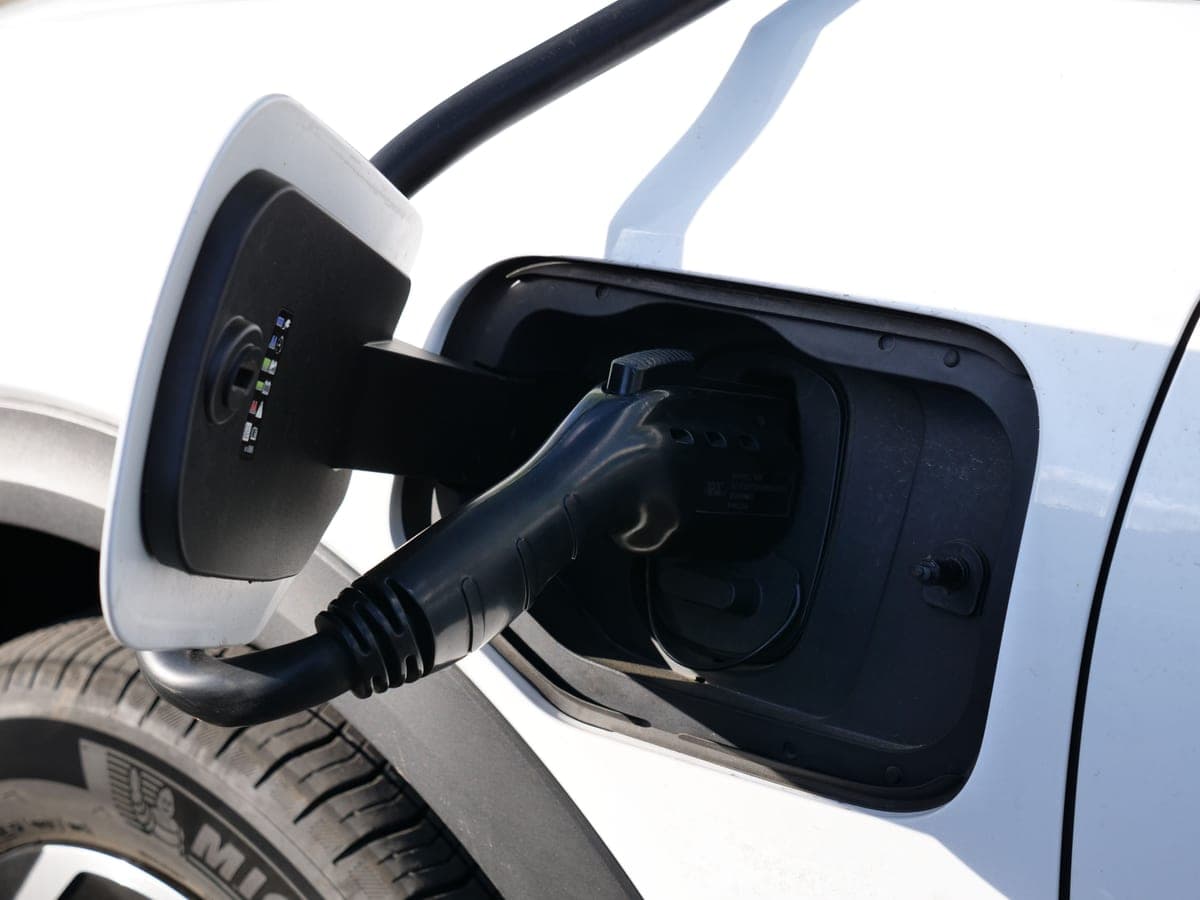
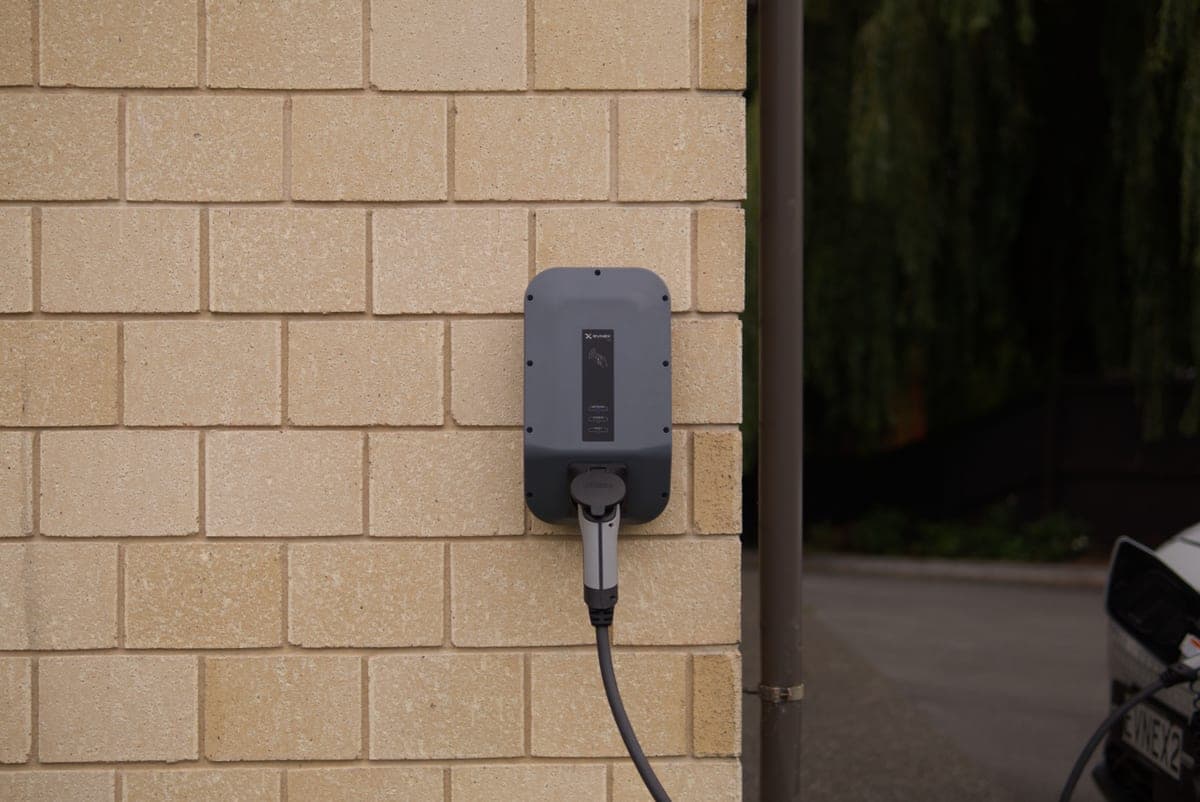
The wall unit that fills your car overnight. Here is what the numbers mean, which three specs decide the answer, and where to start if you have never bought one.
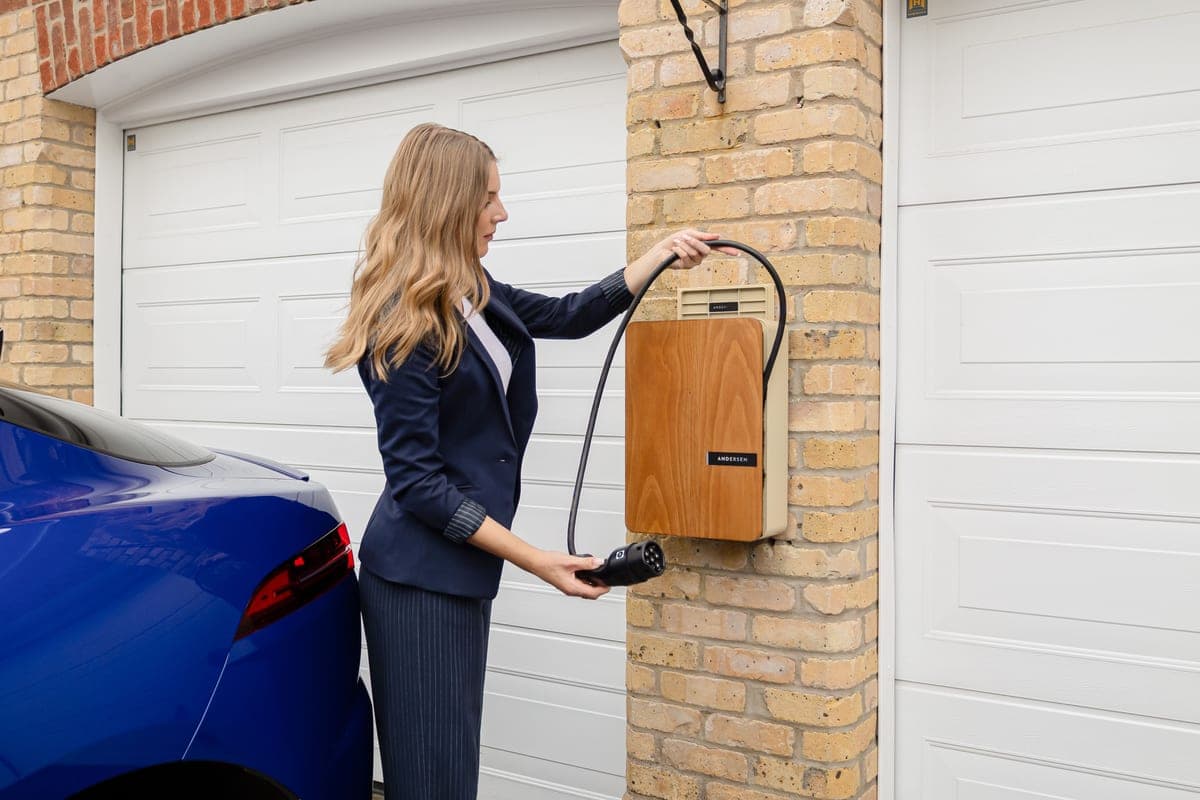
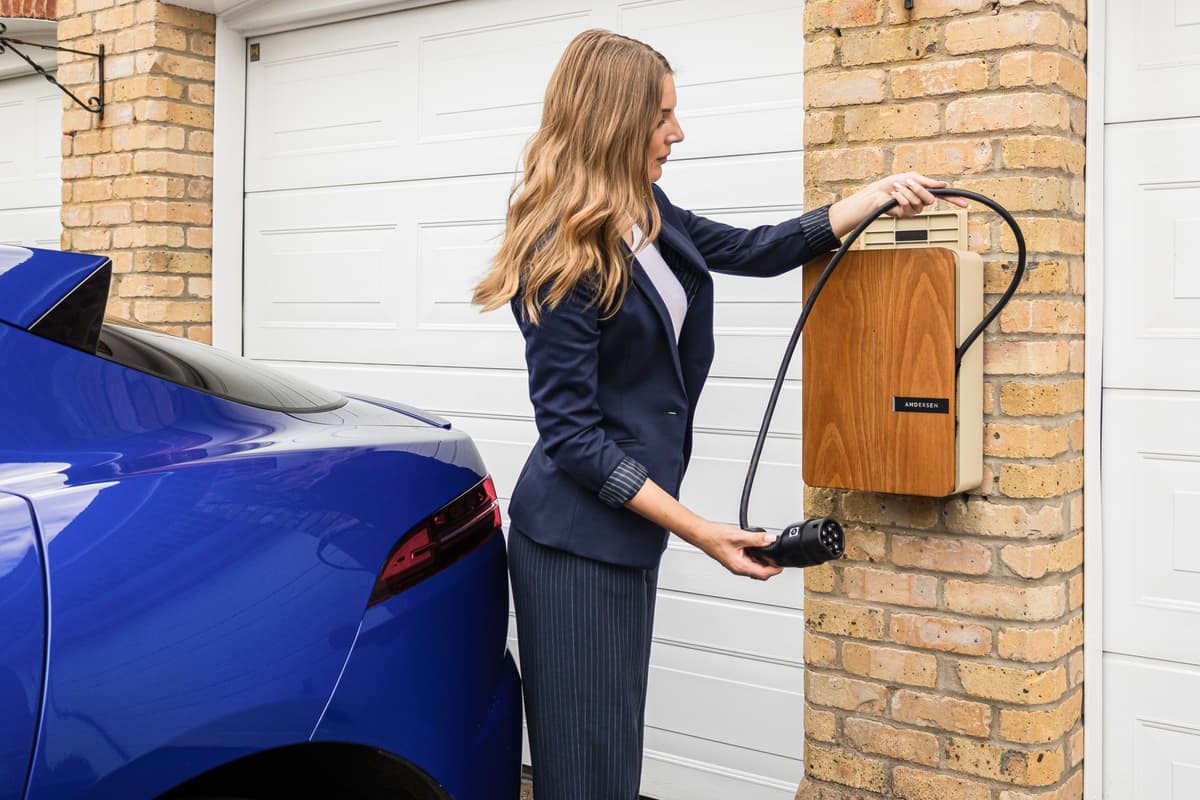
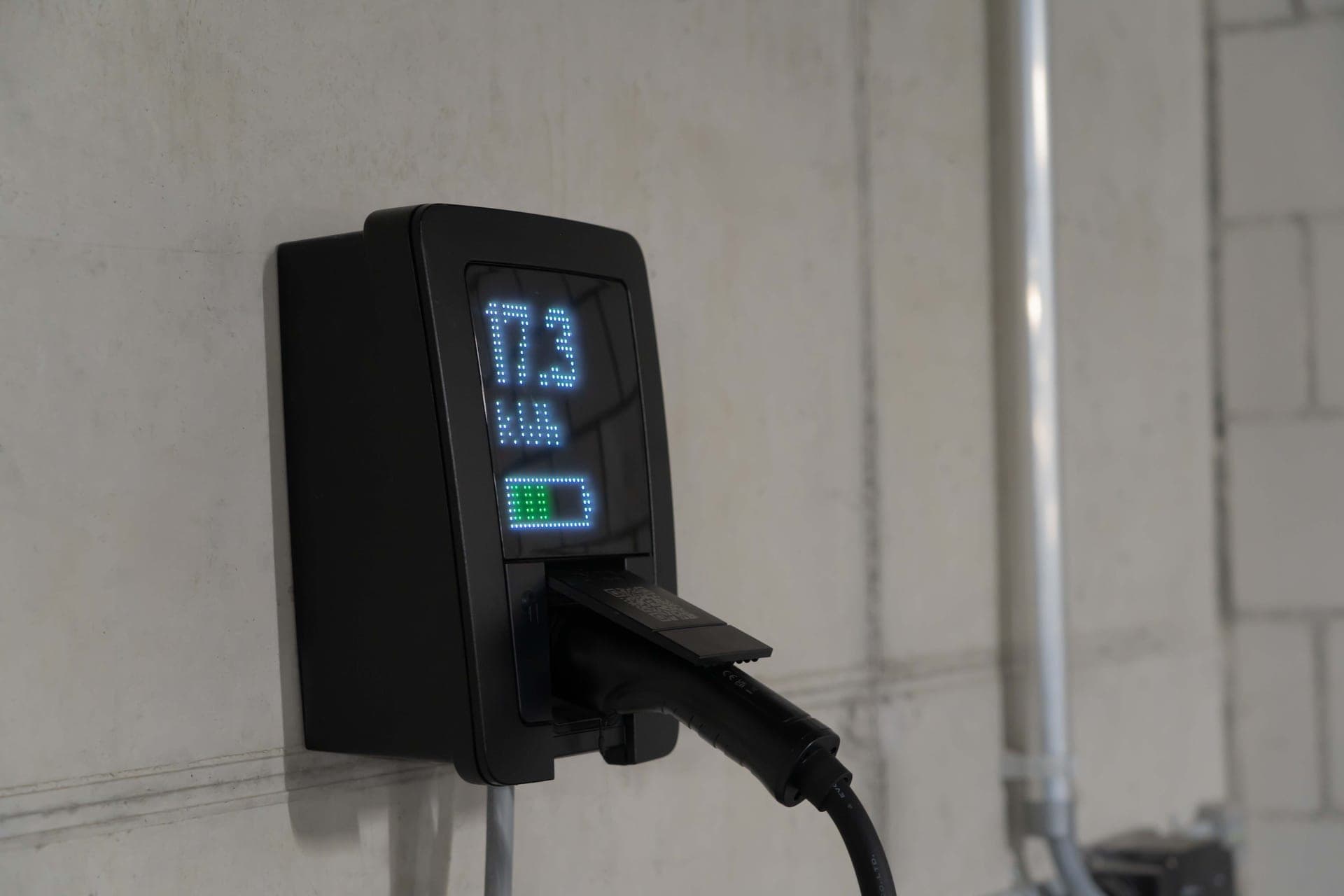
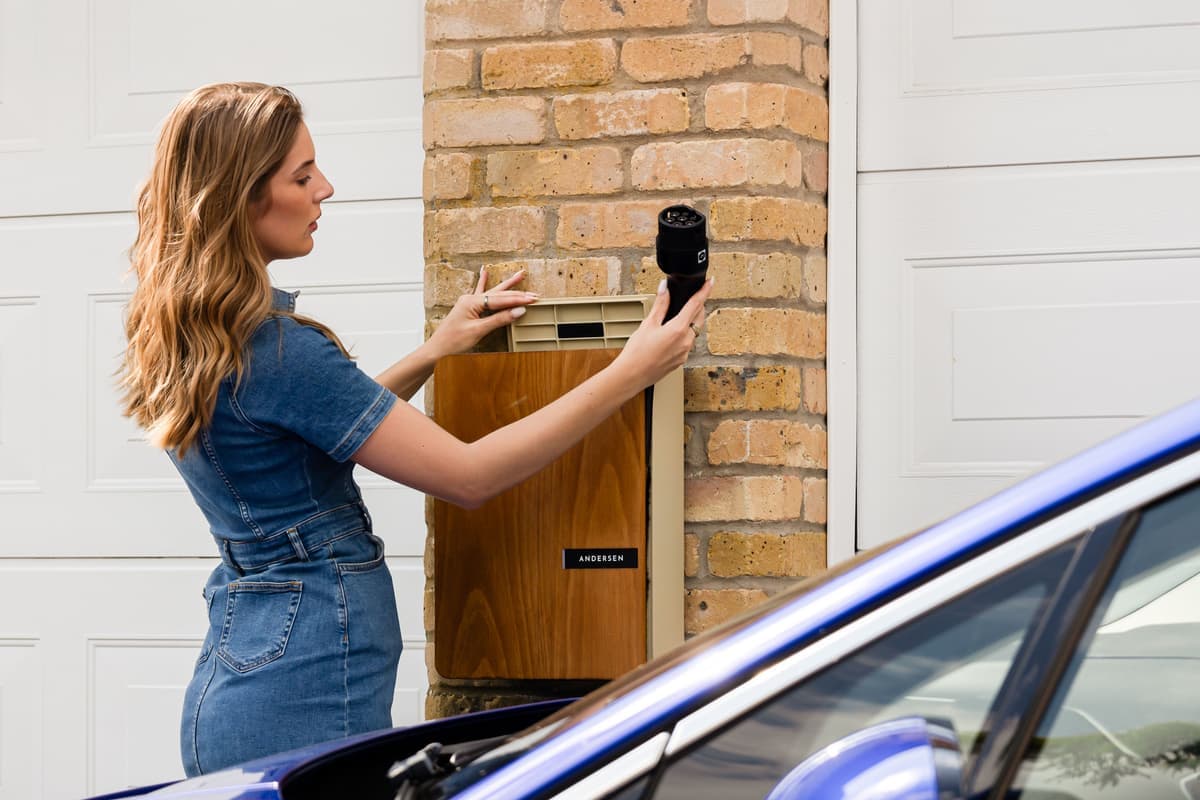
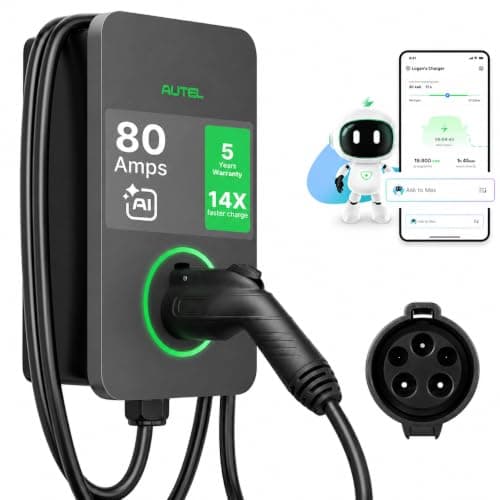
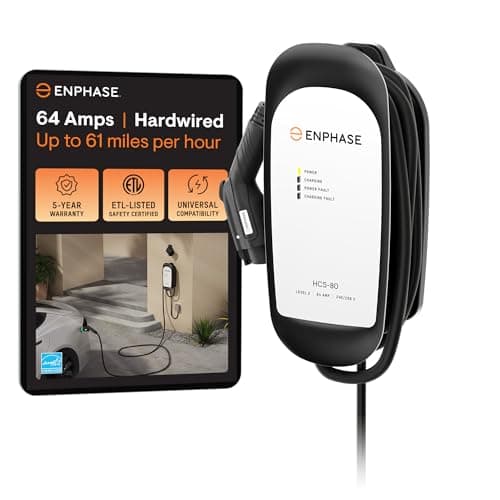
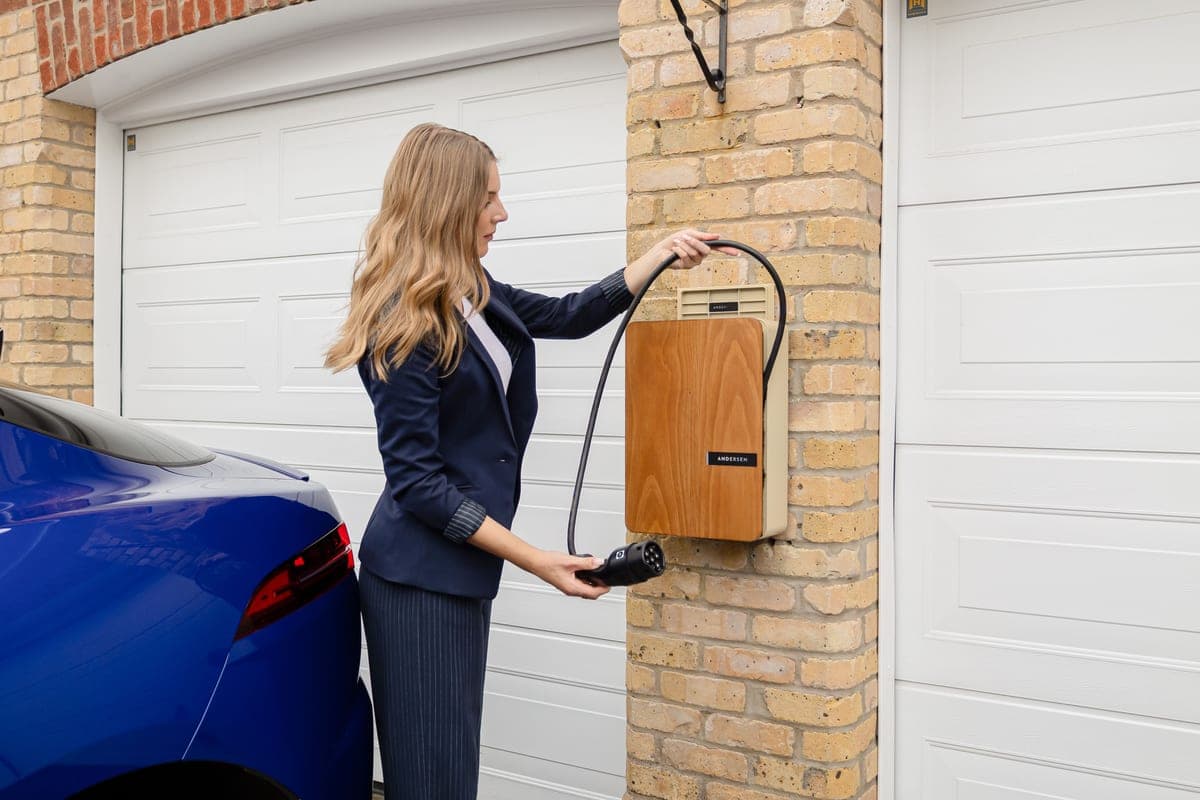
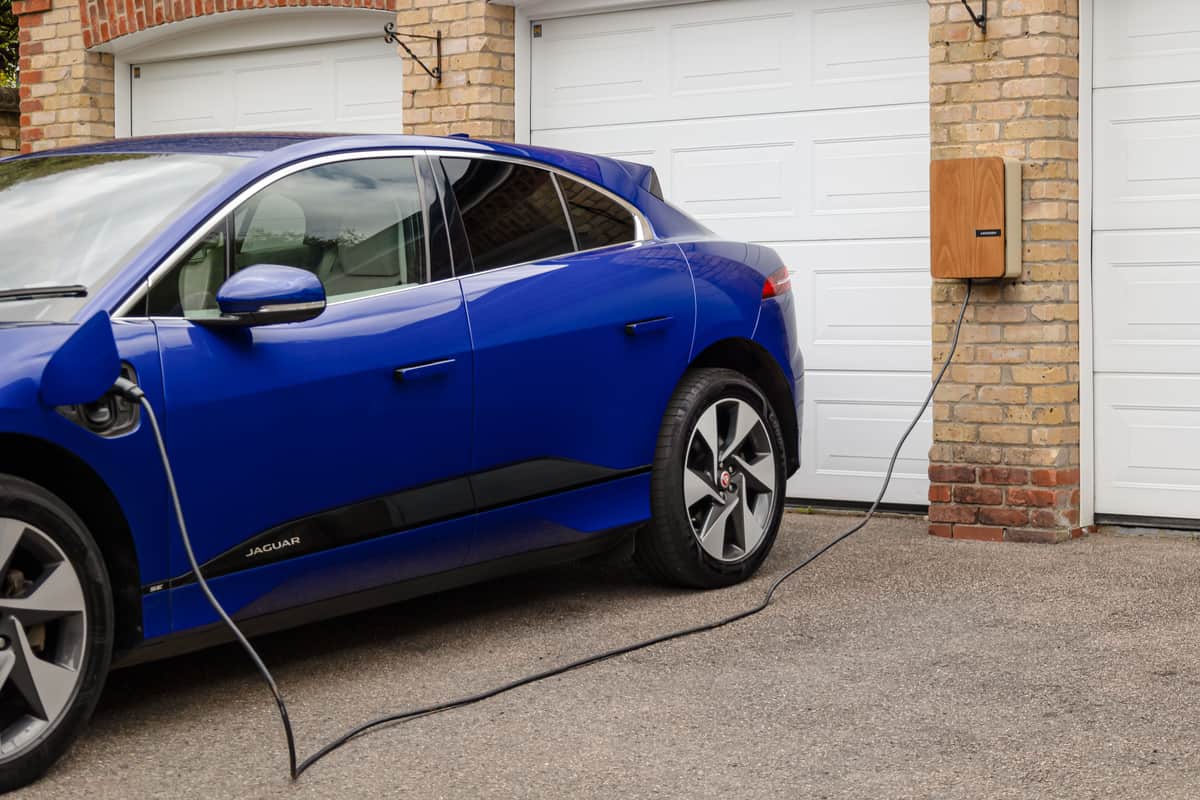
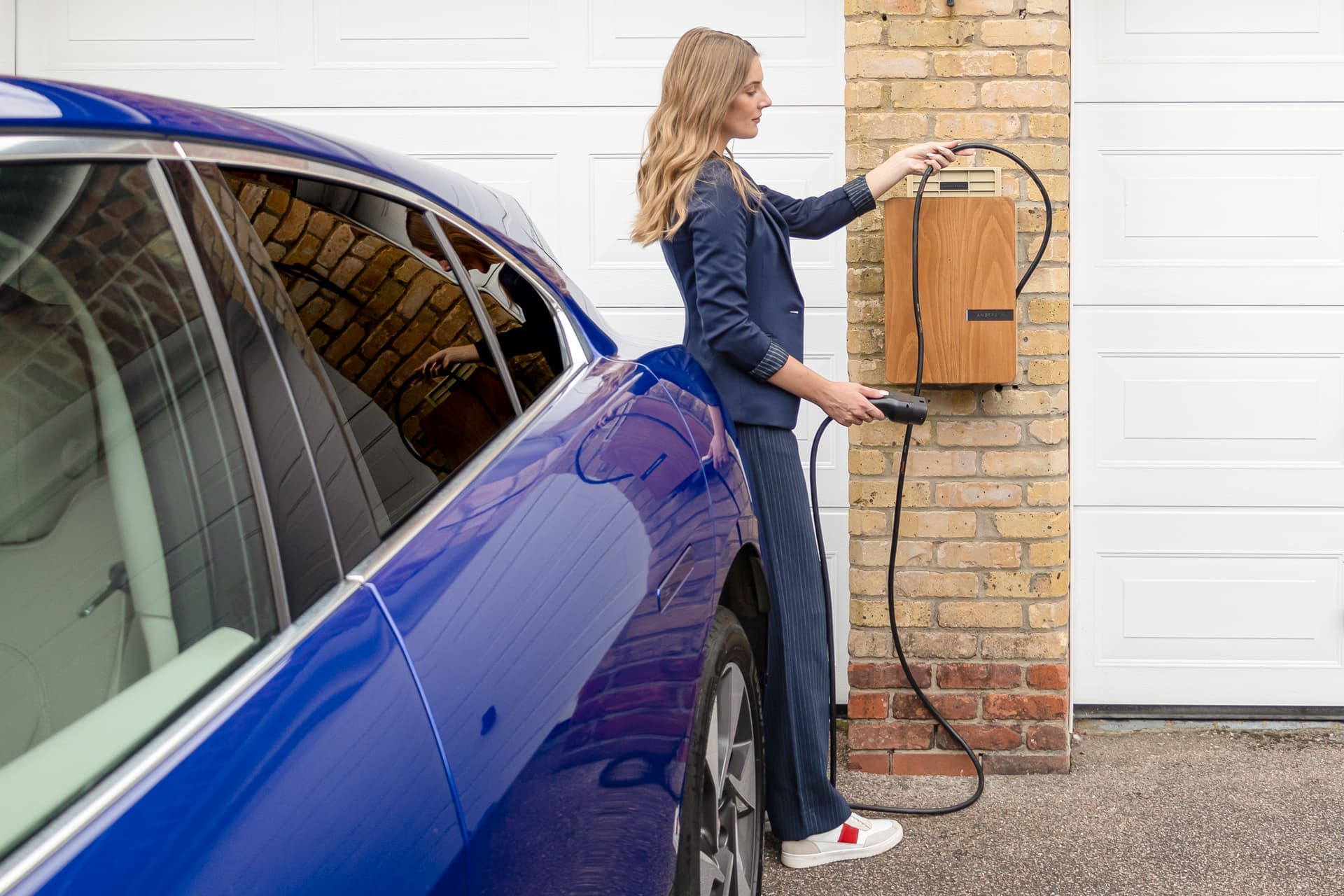
A wall-mounted Level 2 charger in a home garage. Illustrative photo, not a unit we own.
How this page is funded: we earn a commission if you buy through our Amazon links, at no extra cost to you. It does not change what we recommend, and we say plainly when the honest answer is to buy nothing. Full disclosure.
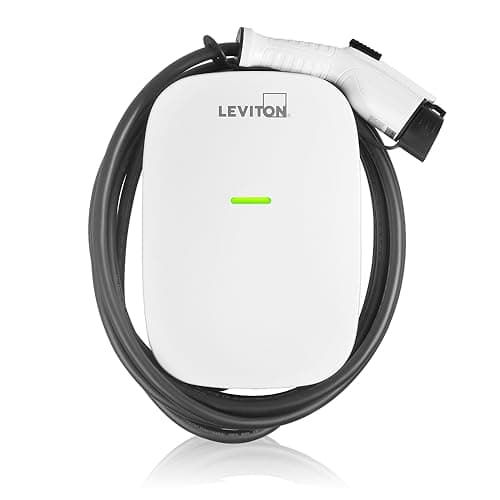
A Level 2 charger is a box that mounts on your wall, plugs into (or is wired into) a 240-volt circuit -- the same kind of circuit an electric oven or a clothes dryer uses -- and fills your car overnight. That is the whole idea. Everything else on this page is detail.
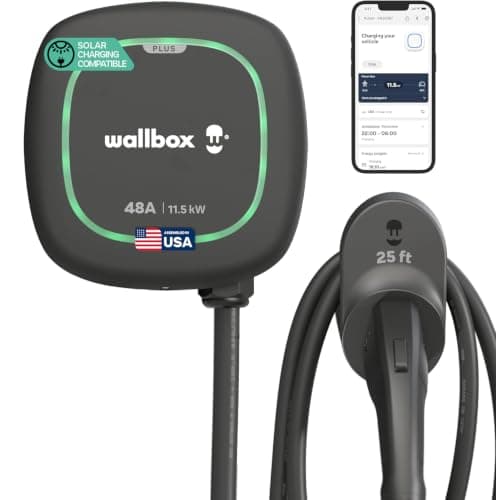
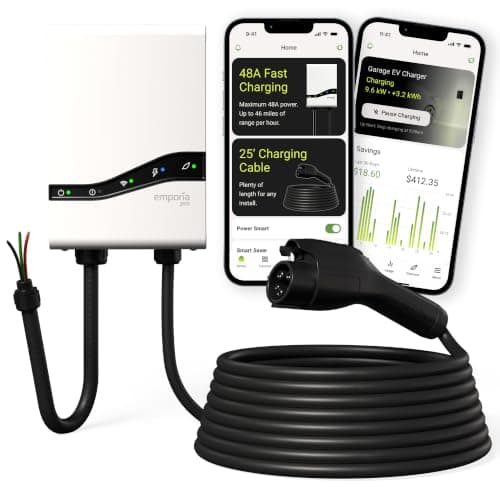
The reason people find this confusing is that the industry sells the detail first. You land on a product page and it opens with 48 amps, 11.5 kW, NEMA 4, OCPP, J1772 and a Wi-Fi app, and none of that tells you whether the thing will work in your garage. So here is the order that actually matters.
The three specs that decide it
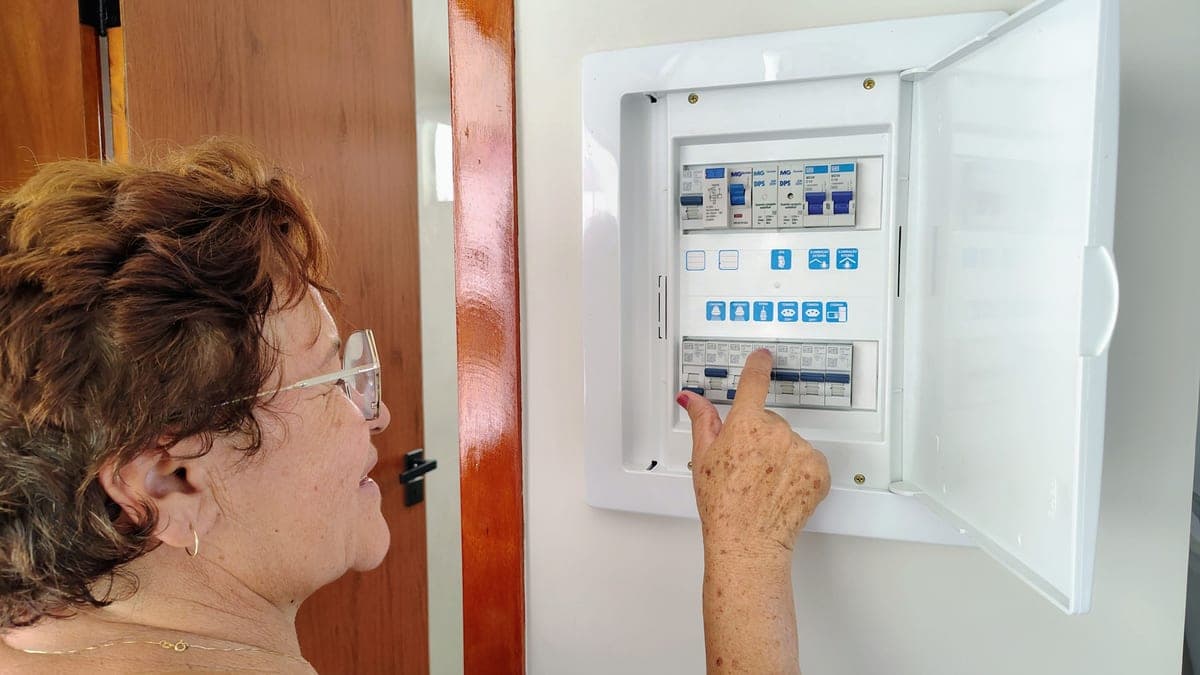
1. Amperage, which is really about your electrical panel
Amperage is how much current the charger will draw. More amps means faster charging, and it also means a bigger circuit, thicker wire and more of your panel's spare capacity. A 48-amp charger needs a 60-amp circuit; a 40-amp charger needs a 50-amp circuit. That relationship comes from the electrical code treating an EV charger as a continuous load, so the circuit is sized at 125% of the charger's draw. We work through it in what size breaker and wire you need.
The practical version: buying a 48-amp charger for a panel that only has room for a 40-amp circuit does not get you faster charging. It gets you a charger you have to turn down. Find out what your panel can spare first.
What the amps actually buy you
32 A x 240 V = 7.7 kW -- roughly 27 miles of range per hour at 3.5 mi/kWh
40 A x 240 V = 9.6 kW -- roughly 34 miles per hour
48 A x 240 V = 11.5 kW -- roughly 40 miles per hour
Overnight at 10 hours, even the 32 A unit adds about 270 miles.
That last line is the part nobody says out loud. If your car sits in the garage for ten hours a night, a 32-amp charger refills more range than most people drive in three days. The jump from 32 A to 48 A matters if you drive a lot, tow, or share one charger between two cars. For a single commuter car it is close to irrelevant.
2. Connector: J1772 or NACS
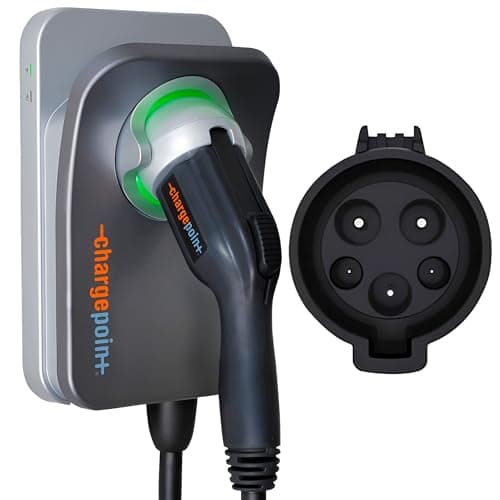
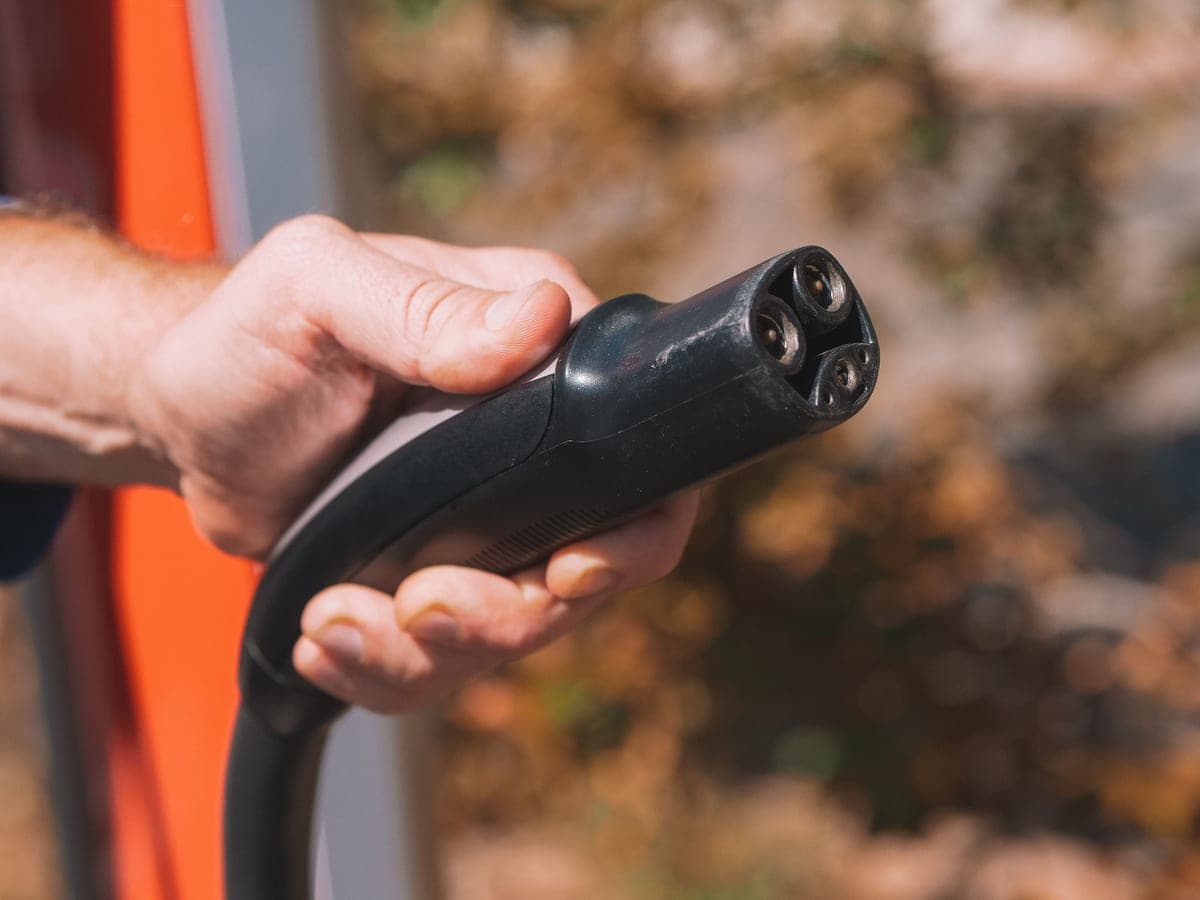
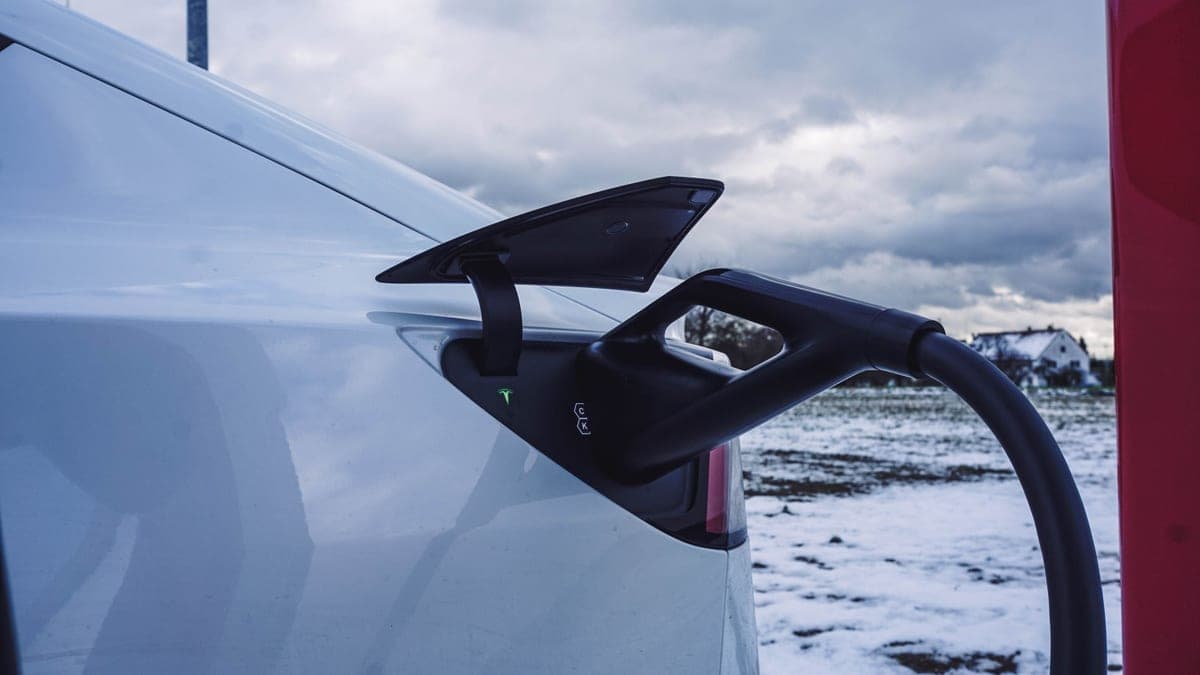
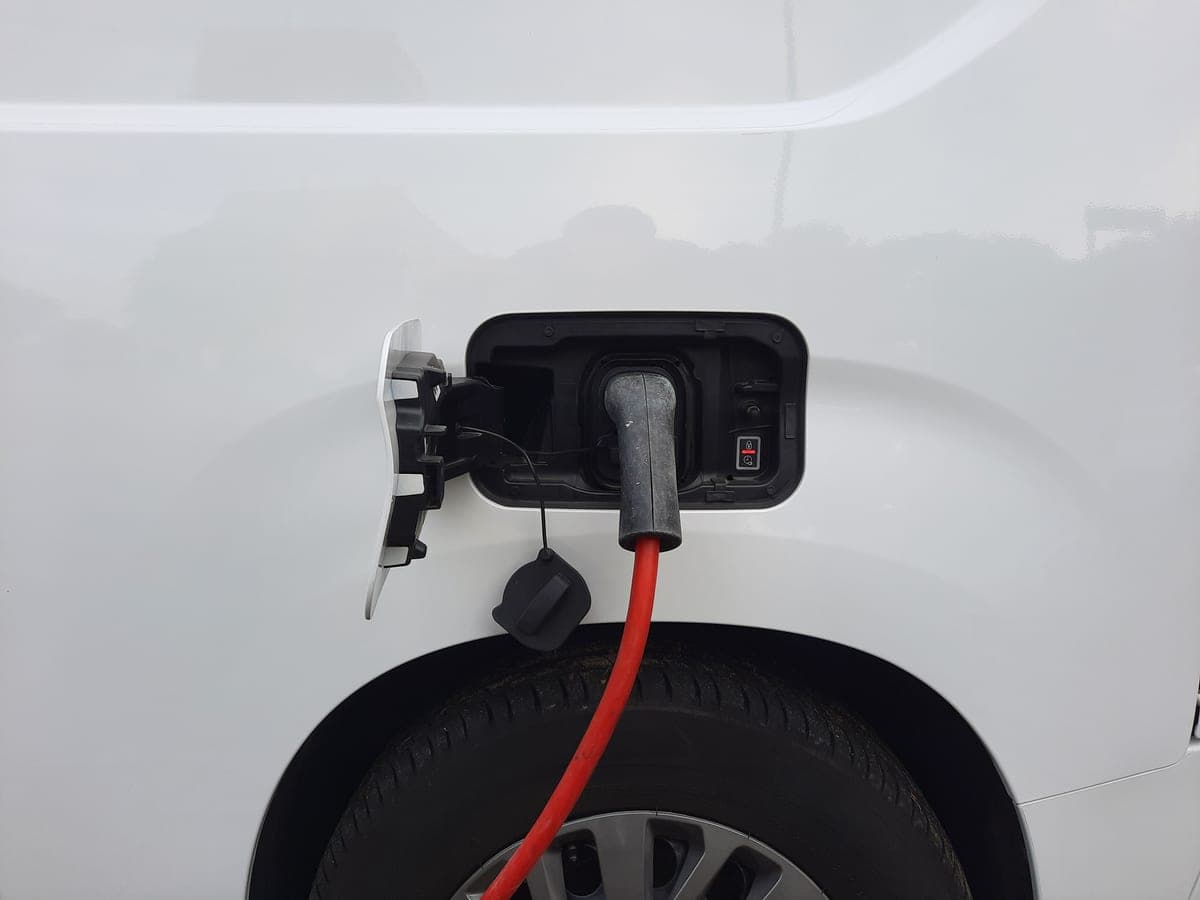
J1772 is the connector nearly every non-Tesla EV has used in North America. NACS is the Tesla connector, which the rest of the industry is now adopting. Buy the one your car has, and read plug types explained if you are not sure which that is. If your household has one of each, the honest answer is usually a J1772 charger plus the adapter Tesla ships with the car -- or a unit built for both, covered in charging a Tesla at home.
3. Cable length, which people underestimate
Cables on home units run roughly 16 to 25 feet. Measure from where the charger will hang to where your car's port sits when it is parked the way you actually park -- then add slack for the cable drooping to the floor and back up. A 16-foot cable that has to cross a two-car garage will not reach, and there is no fixing that afterwards. Cable length has the measuring method.
What you can safely ignore for now
Wi-Fi and apps. Useful for scheduling off-peak charging and watching energy use. Not useful if your car already schedules charging, which most do.
Load management. Genuinely useful if your panel is tight or you have two EVs, and irrelevant otherwise. See load management explained.
Peak kW claims above 12 kW. Home 240 V single-phase circuits top out around there in practice. A bigger number on the box is not a bigger number in your garage.
Anything about charging networks. That is public charging. It has nothing to do with the box on your wall.
One thing that is not optional: the safety listing
Buy a unit that is UL listed, or tested to UL standards by another Nationally Recognized Testing Laboratory such as CSA or ETL. This is a device that pulls 40-plus amps continuously for hours, in a garage, often in the weather. Certification is the one spec where the cheap option is not a trade-off, it is a bad idea. Many local inspectors will also require it before signing off on a permit. Safety certifications explains what the marks mean.
Where to go from here
If you want a recommendation and a reason, start with the best home EV chargers. If your budget is the constraint, the best budget charger covers the cheapest units that are still properly certified. If you are still not sure a Level 2 charger is the right purchase at all, do you need one argues both sides honestly, including the case for buying nothing. And if you already own a charger whose maker has gone, what to do about a dead JuiceBox is the one to read. At the top of the range, 48 amps vs 80 amps settles the last amperage decision with a panel-first test. And if you are trying to spend less, read refurbished and used chargers before you buy second-hand.
Everything in Chargers
All 94 pages in this section
Grouped by what each one does. Every page names a recommendation or a next step rather than leaving you with a survey of options.
Why 2.4 GHz-only radios fail on modern routers, the fixes in order, and when to stop trying and schedule in the car.
FAQ
Questions people actually ask
What is a Level 2 charger, in one sentence?+
A wall-mounted charger that runs on a 240-volt circuit -- the same kind an electric dryer uses -- and refills a typical EV overnight, roughly five to seven times faster than the cable that came with the car.
Do I need a 48-amp charger?+
Probably not. A 32-amp unit adds around 270 miles of range over a 10-hour night. Go higher if you drive a lot, tow, or share one charger between two EVs, and only if your panel can feed it. See how many amps you need.
Can I install a Level 2 charger myself?+
Some plug-in units can be plugged into an existing 240-volt outlet by anyone. Creating that circuit is licensed electrical work in most places and usually needs a permit. Can I install my own EV charger draws the line clearly.
Will a home charger work in the rain and snow?+
If it carries a NEMA 4 or IP-rated enclosure, yes -- that is exactly what those ratings certify. Check the rating rather than assuming; not every unit sold for home use is rated for outdoor mounting.