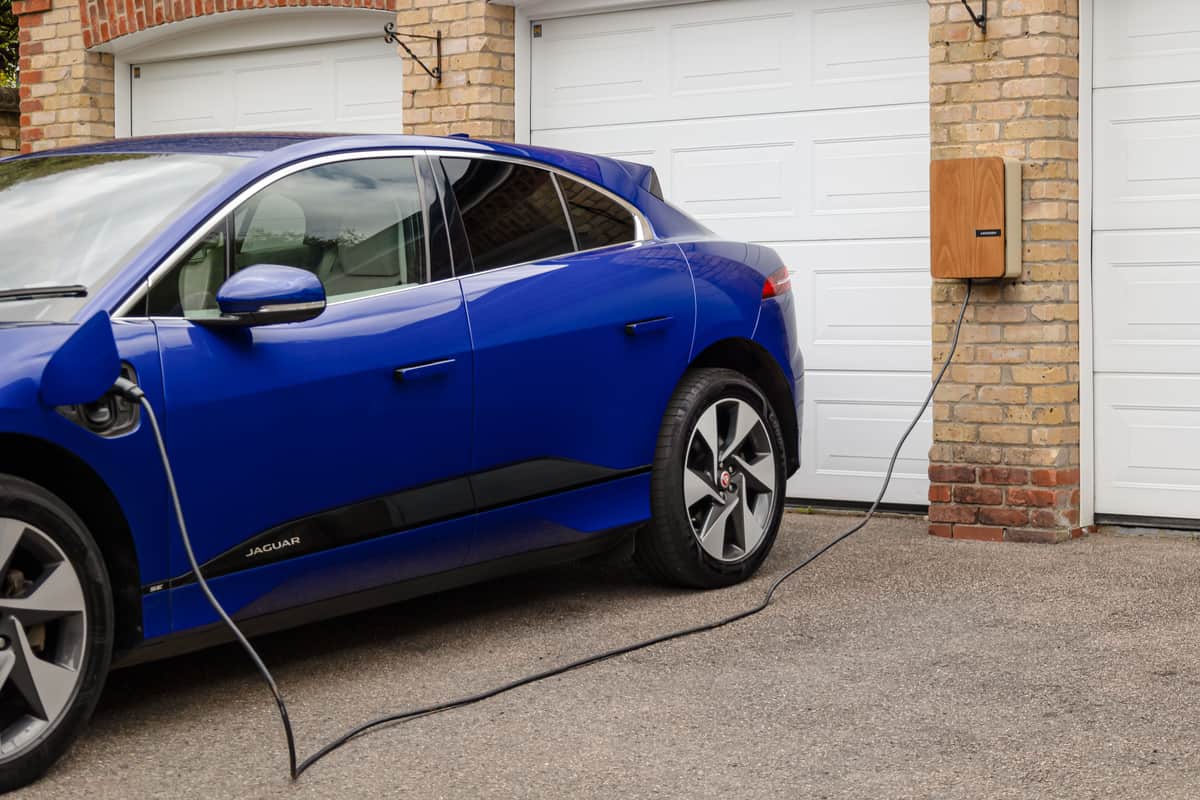
Starter kit
Your EV charging starter kit
The short shopping list for a first home charging setup, and what you already own.
Top pick: Emporia Level 2 EV Charger (Classic)
Check price on Amazon#ad how we are fundedBasics
If none of this makes sense yet, you are in the right place. No acronyms without an explanation, and no assumption that you already know what a NEMA 14-50 is.
By Sawyer V. · Published September 8, 2026

How this page is funded: we earn a commission if you buy through our Amazon links, at no extra cost to you. It does not change what we recommend, and we say plainly when the honest answer is to buy nothing. Full disclosure.
Most EV charging content is written for people who already understand it. You look up a simple question and get an answer containing four terms you would also have to look up. This section is the fix: it assumes you know nothing and are not stupid, which are different things.
Here is the whole subject in one paragraph. Charging happens at three speeds, called levels. Level 1 is a normal wall outlet and it is slow. Level 2 is a 240-volt circuit like an electric dryer uses, and it fills a car overnight -- this is what home charging means. Level 3, or DC fast charging, is the public stuff on road trips and you cannot have it at home. Almost every decision you face is inside Level 2.
| Term | What it actually means |
|---|---|
| Amps (A) | How much electrical current flows. More amps, faster charging, bigger wire needed. |
| Volts (V) | The electrical pressure. A normal outlet is 120 V; a dryer circuit is 240 V. |
| Kilowatts (kW) | Power: amps x volts, divided by 1,000. This is the number that decides charging speed. |
| Kilowatt-hours (kWh) | Energy: power over time. Your battery's size is in kWh, and so is your electricity bill. |
With those four words, every spec sheet becomes readable. A 48-amp charger on a 240-volt circuit delivers 11.5 kW, because 48 x 240 = 11,520 watts. A 75 kWh battery charging at 11.5 kW takes about six and a half hours to go from empty to full. That is the entire arithmetic of home charging.
The honest framing is not "how fast can I charge" but "can I replace what I drove today, tonight?" Almost always the answer is yes with room to spare, because your car sits parked for ten to twelve hours and you drove a fraction of its range.
A typical night
You drove 40 miles today.
At 3.5 mi/kWh that used about 11.4 kWh.
A 32 A (7.7 kW) charger replaces that in about 1 hour 30 minutes.
You are plugged in for ten hours. The charger is idle for most of the night.
This is why we push back on buying the biggest charger available. Faster is not wrong, it is just frequently pointless. Do you need a Level 2 charger runs the same math for the case against buying one at all, and why is my EV charging slowly is the list to work through when the arithmetic above does not match what you are seeing. Heading into winter, the winter charging kit is what to buy before the first freeze, and gifts for EV owners is for everyone shopping for somebody else.
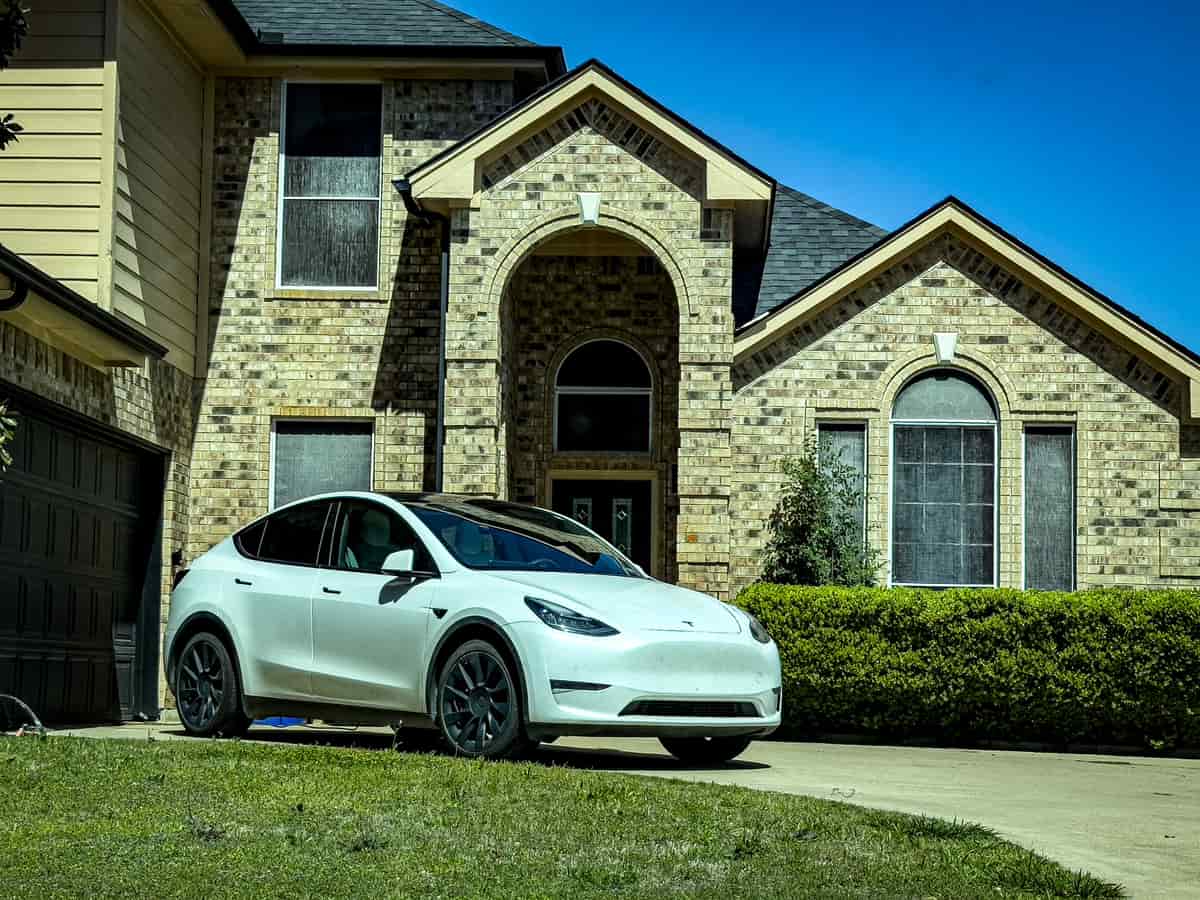
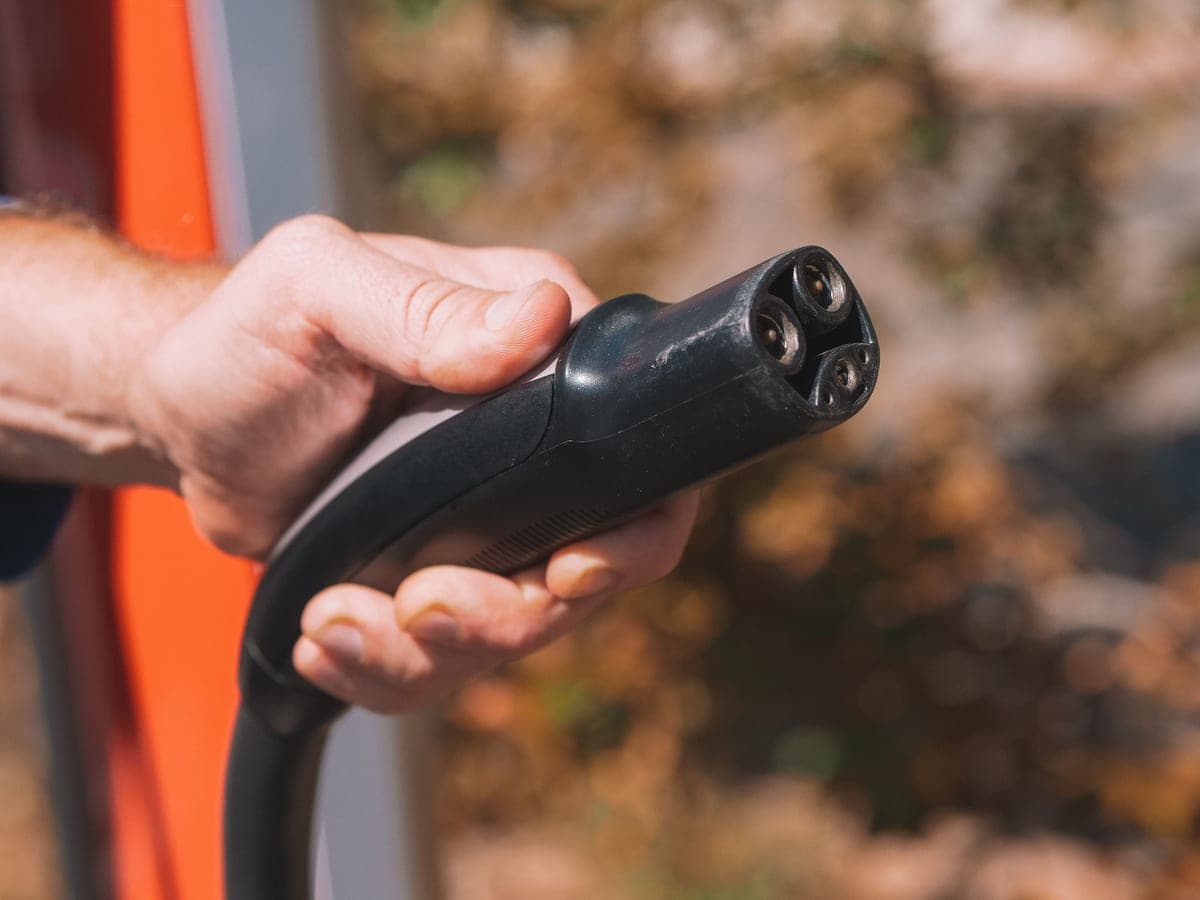
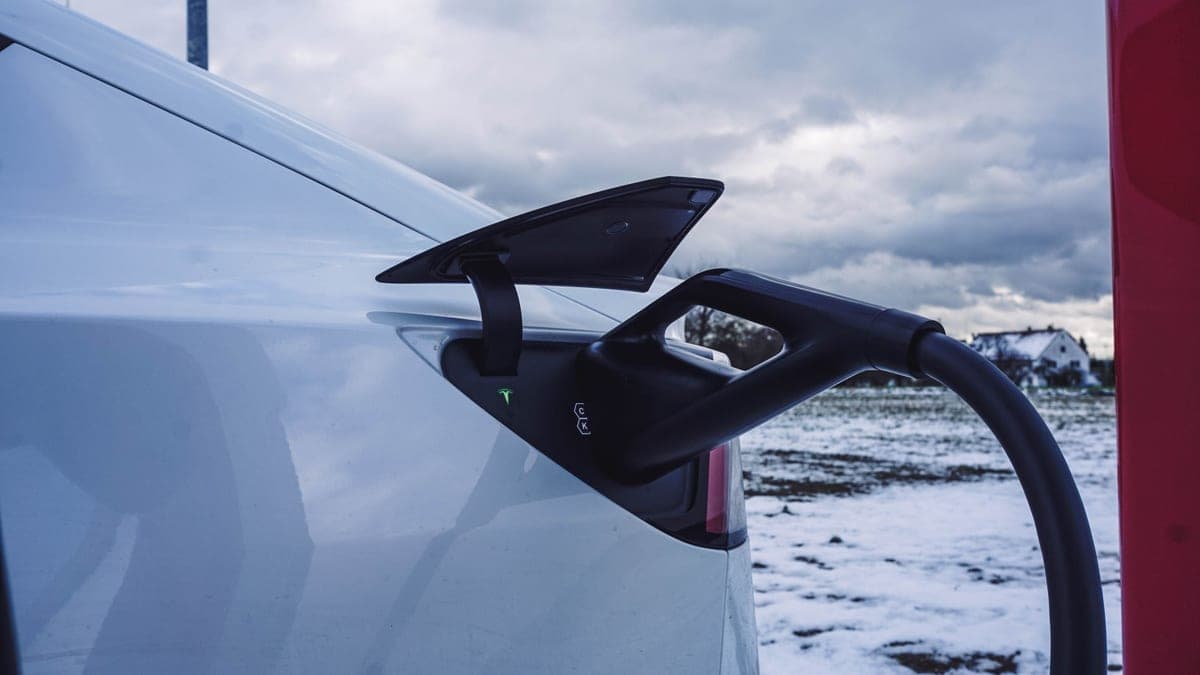
There are two connectors you will hear about for home charging in North America: J1772, used by nearly every non-Tesla EV, and NACS, Tesla's connector which other manufacturers are adopting. Adapters between them exist and work. There are also DC fast-charging connectors (CCS, and NACS again) which only matter at public chargers. Plug types explained has pictures and the full story.
Everything in Basics
Grouped by what each one does. Every page names a recommendation or a next step rather than leaving you with a survey of options.
Starter kit
The short shopping list for a first home charging setup, and what you already own.
Top pick: Emporia Level 2 EV Charger (Classic)
Check price on Amazon#ad how we are funded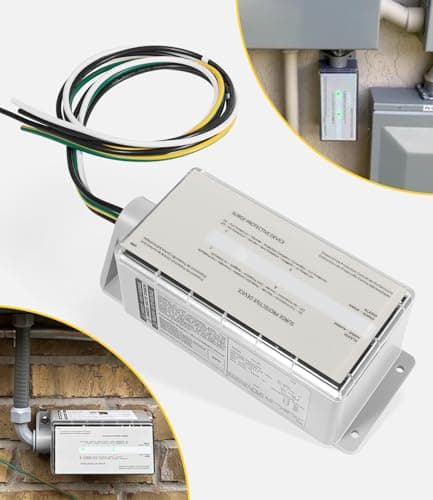
Accessories
Which EV accessories earn their place, which are situational, and which to skip.
Top pick: Siemens FS140 whole-home surge protector
$79.99 · View on Amazon#ad how we are funded · price as of October 27, 2026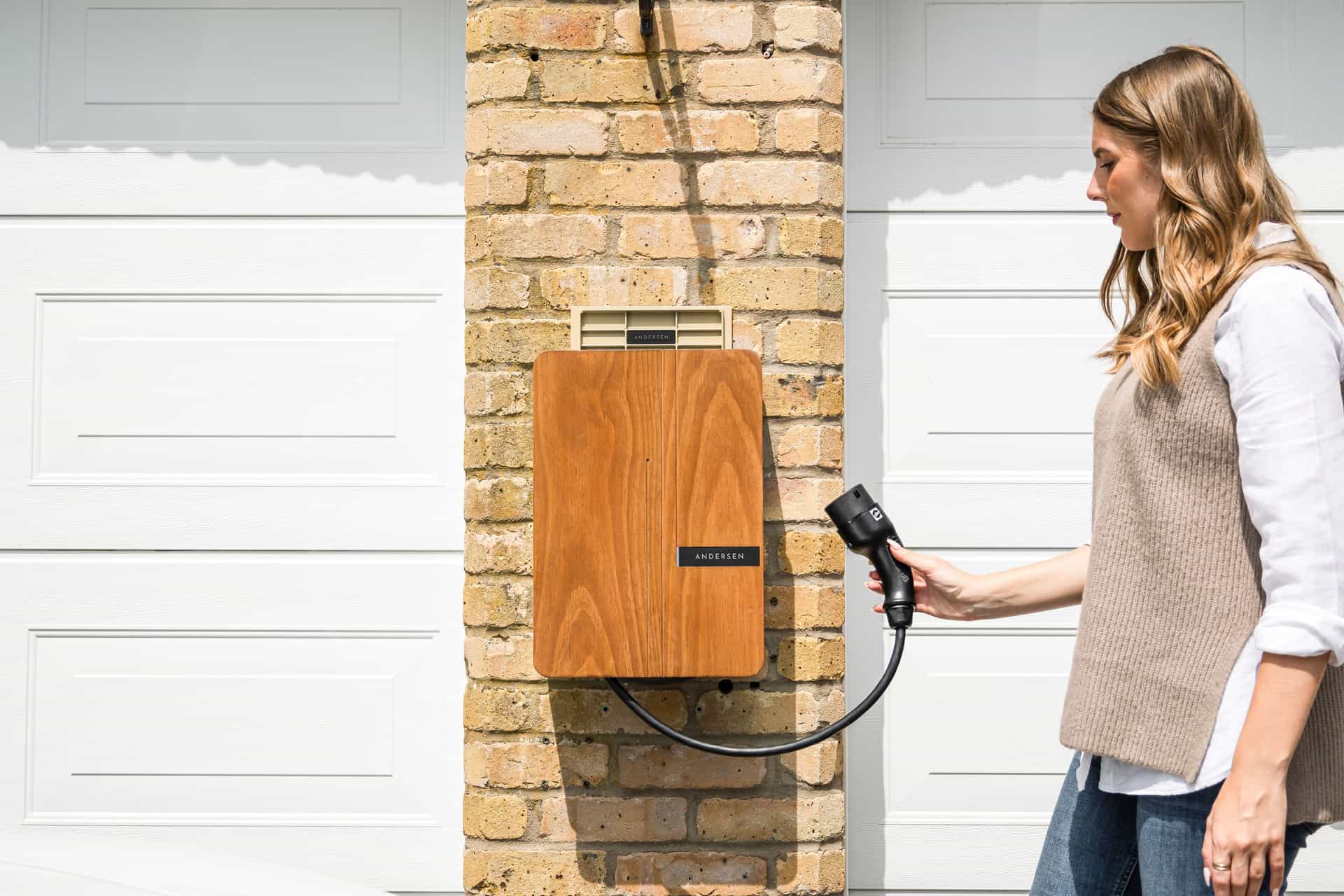
Brand guide
Six home-charger brands, what each is genuinely good at, and the model worth buying from each.
Top pick: Emporia Level 2 EV Charger (Classic)
Check price on Amazon#ad how we are funded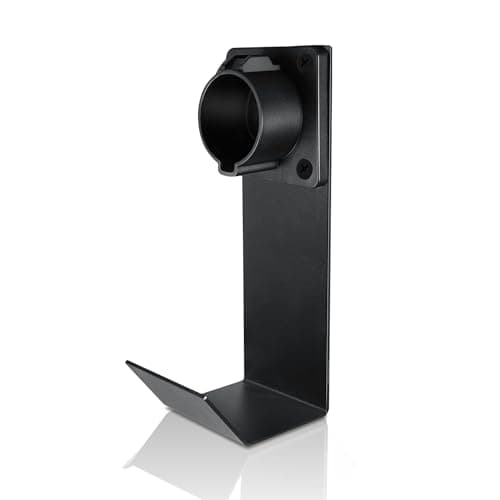
Roundup
Seven gifts an EV owner will keep, by budget, with live prices -- and the three that get returned.
Top pick: Lectron J1772 holster dock and J-hook
$19.99 · View on Amazon#ad how we are funded · price as of October 27, 2026Roundup
Five winter purchases in priority order, plus the four habits that matter more than any of them.
Top pick: Lectron J1772 holster dock and J-hook
$19.99 · View on Amazon#ad how we are funded · price as of October 27, 2026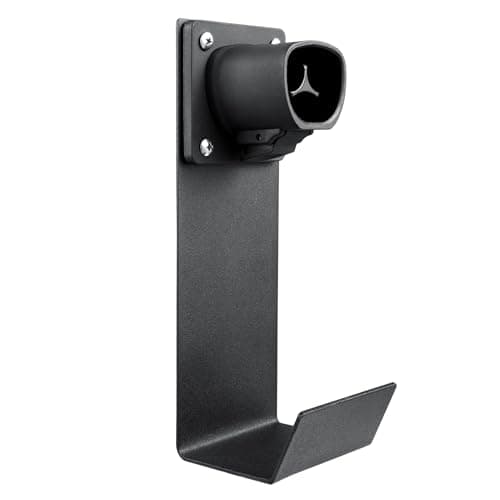
Best Tesla gifts
Five NACS-specific gifts, from a $20 holster to a Wall Connector, with live prices and the compatibility check to do first.
Top pick: Lectron Tesla NACS holster dock and J-hook
$19.99 · View on Amazon#ad how we are funded · price as of October 27, 2026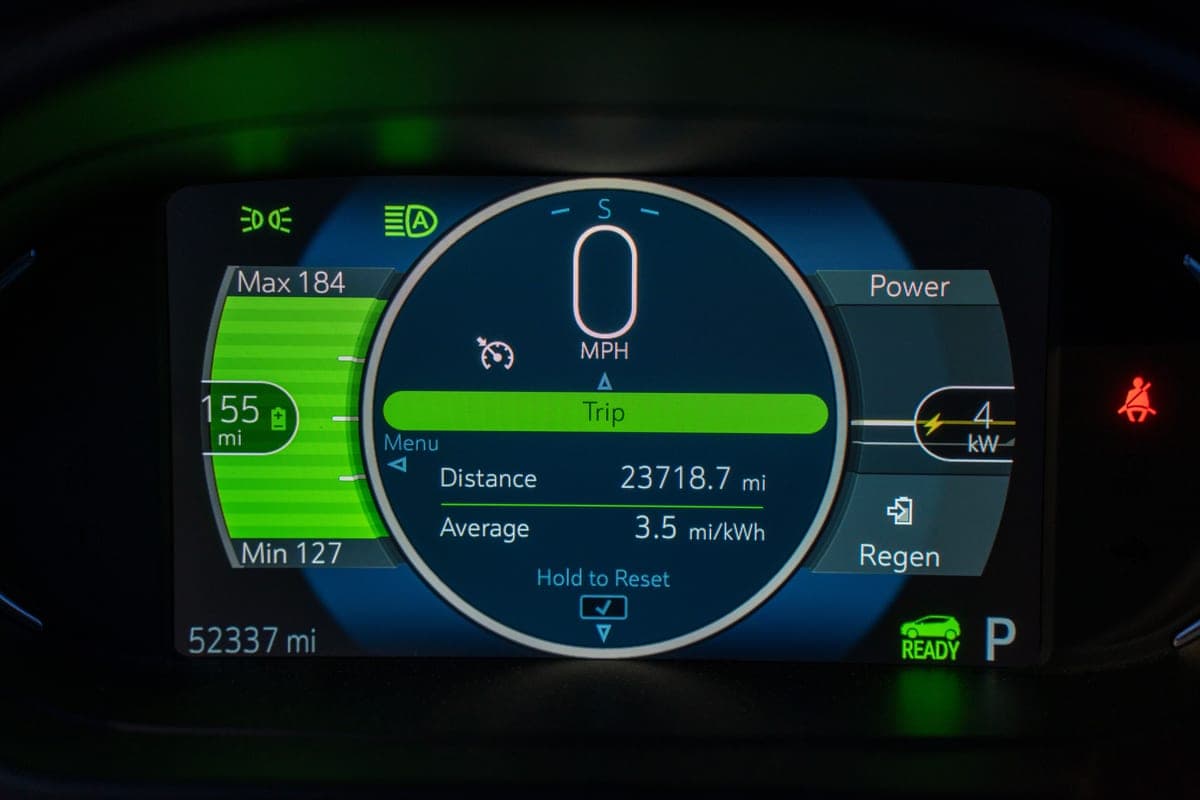
Free tool
Calculate charging speed and time from your own numbers, with the working shown.
Guide
The beginner's route to choosing a home charger: three questions, no assumed knowledge.
Guide
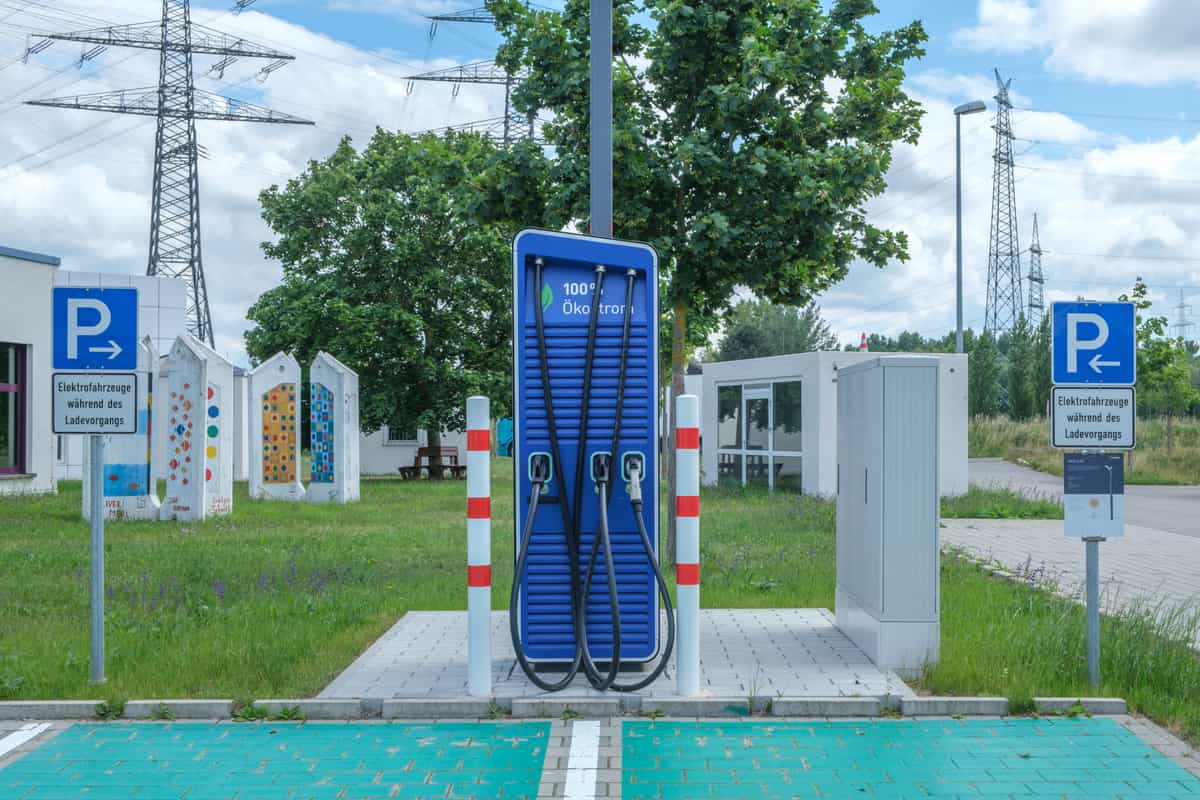
Level 1, Level 2 and DC fast charging with real speeds, and which you need at home.
Guide
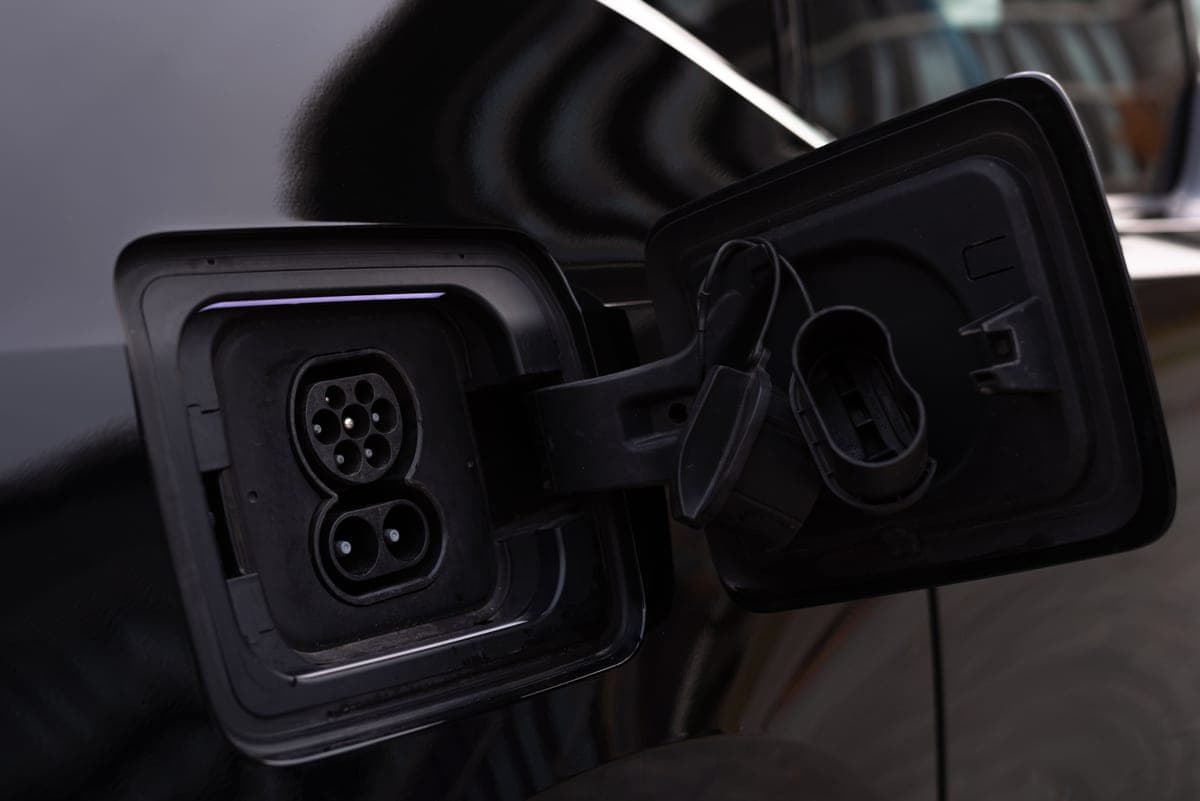
J1772, NACS, CCS and CHAdeMO: which plug your car has and which matters at home.
Guide
The honest test for whether you need a Level 2 charger, or whether Level 1 is enough.
Guide
The formula for your own charging time, and why empty-to-full is the wrong question.

Guide
The whole home charging project in the right order, from decision to first charge.
Guide
The four electrical terms that matter and the one formula that ties them together.
Guide
The real risks in home charging, the things that are not risks, and the habits that matter.
Reference
What UL, ETL and CSA marks mean, and the wording designed to look like certification.
Guide
What cold does to range and charging, and the habits that make winter a non-event.
Guide
The unwritten rules for sharing chargers, guest charging and being a good neighbor.
Reference
Every EV charging term defined in plain English, without circular definitions.
Guide
What happens when the car is full, what a charge limit does, and when to unplug instead.
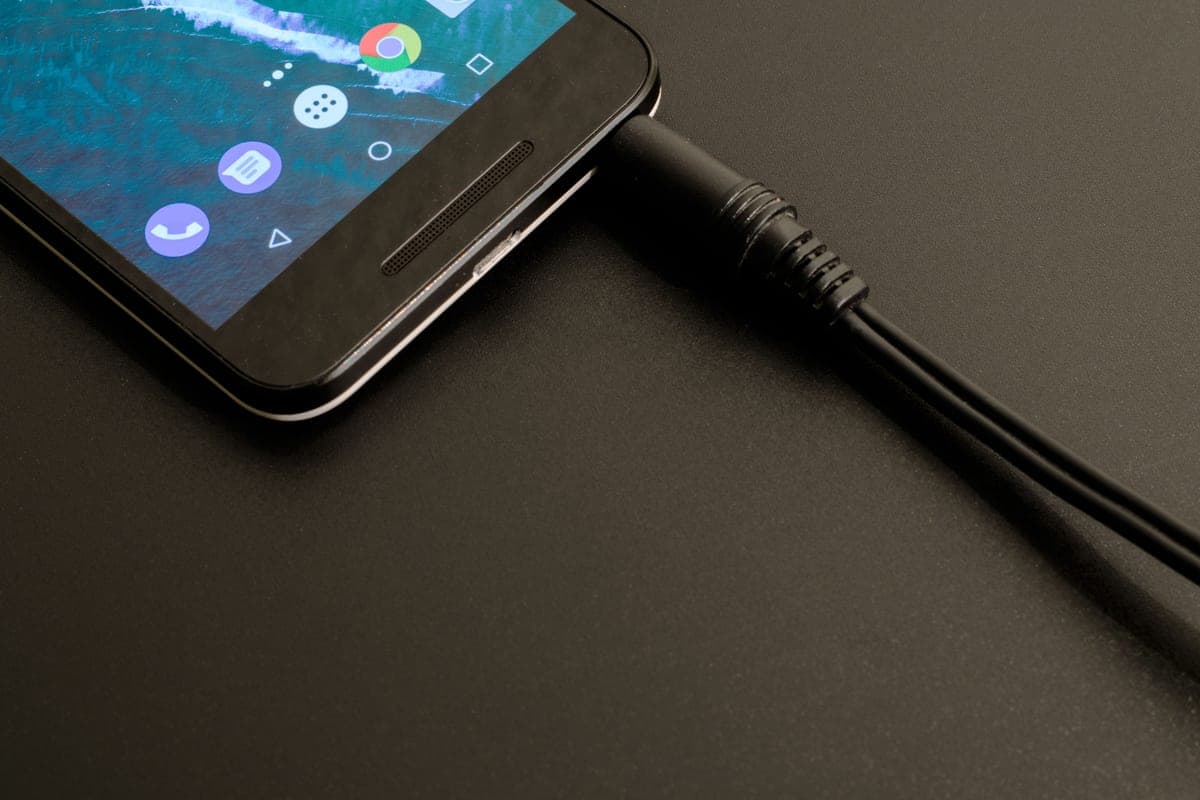
Guide
How time-of-use rates work, how to schedule charging, and how to check the switch pays.
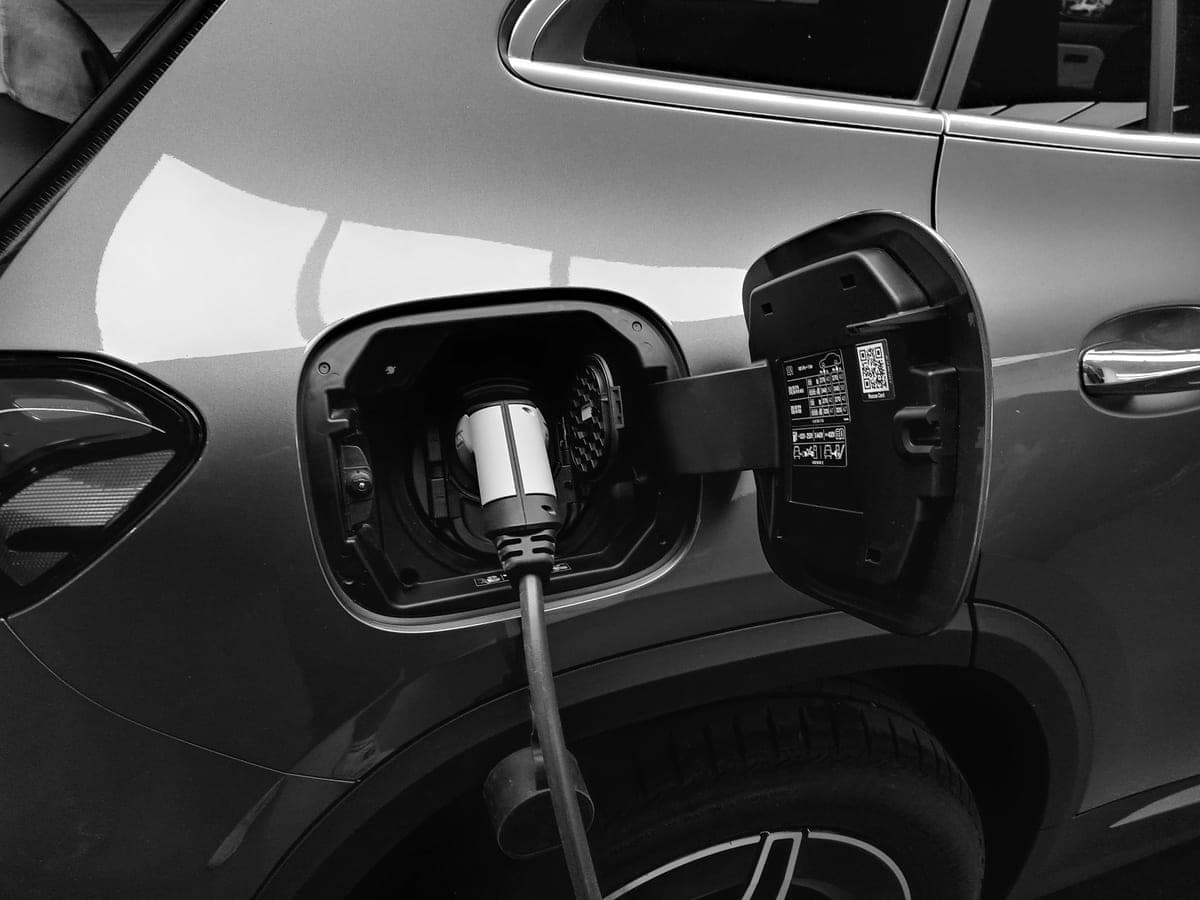
Guide
What a charger draws while it waits, why ENERGY STAR measures it, and what to do about it.
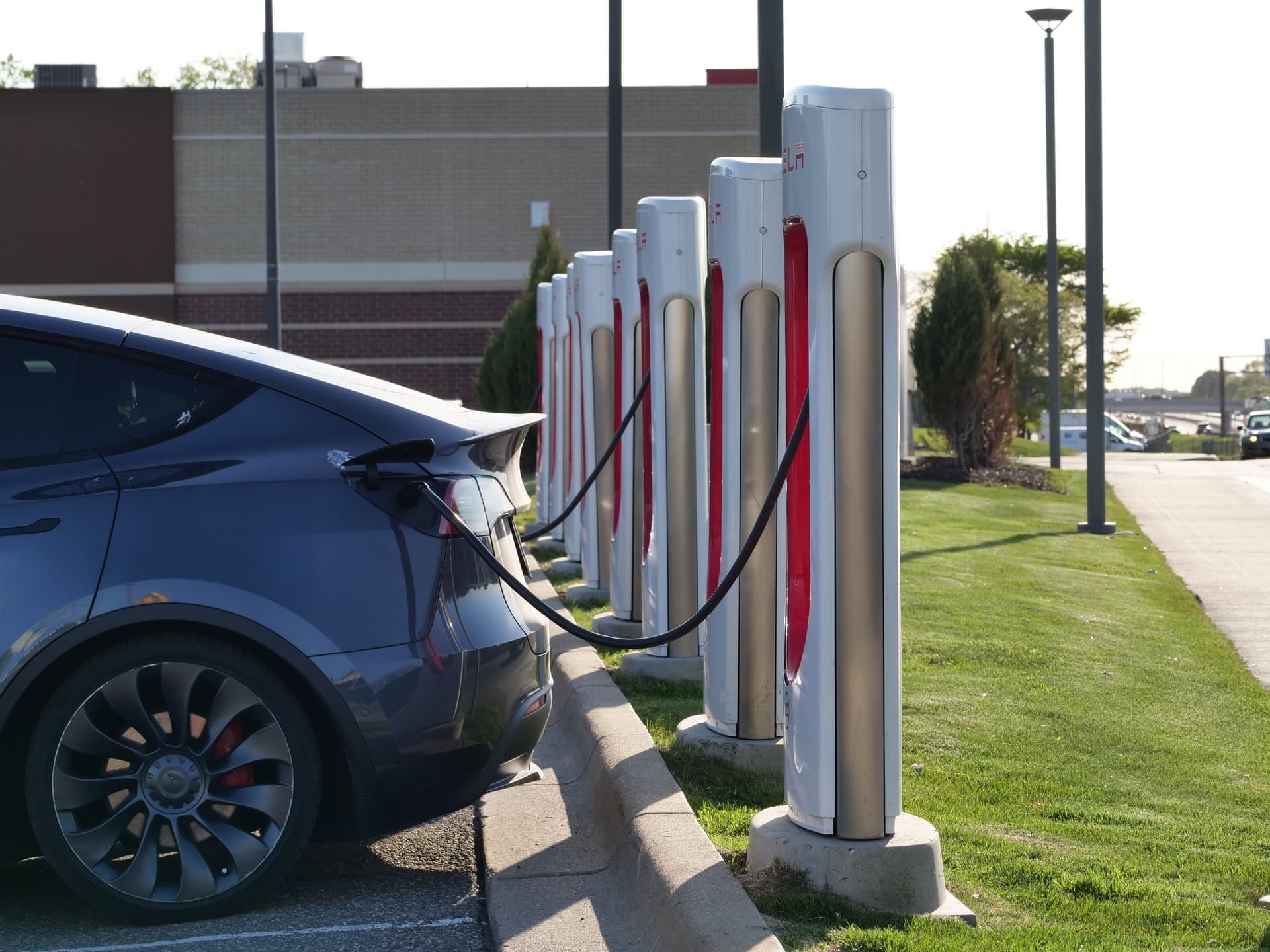
Guide
Speed, cost and convenience compared, plus when public charging is genuinely the better plan.
Guide
What DC fast charging is, how fast it is, which plugs it uses, and why it is not a home option.
Guide
Ten first-month mistakes that cost money, and the decision order that avoids them.
Guide
Nine reasons a home charge is slower than expected, in diagnostic order, starting with the four that cost nothing to fix.
Guide
A frozen port door or a connector stuck in the car: the fixes that work, the one that cracks plastic, and the prevention.
Guide
What a 5 kWh home battery actually gives a car, why 3.84 kW is the number that matters, and the charger setting that makes it work.
FAQ
Sources