Renters & condos
Charging an EV when you live in an apartment
The hardest case in home charging, and the one almost nobody writes about honestly. Here are the options, in the order worth trying.
By Sawyer V. · Published September 8, 2026
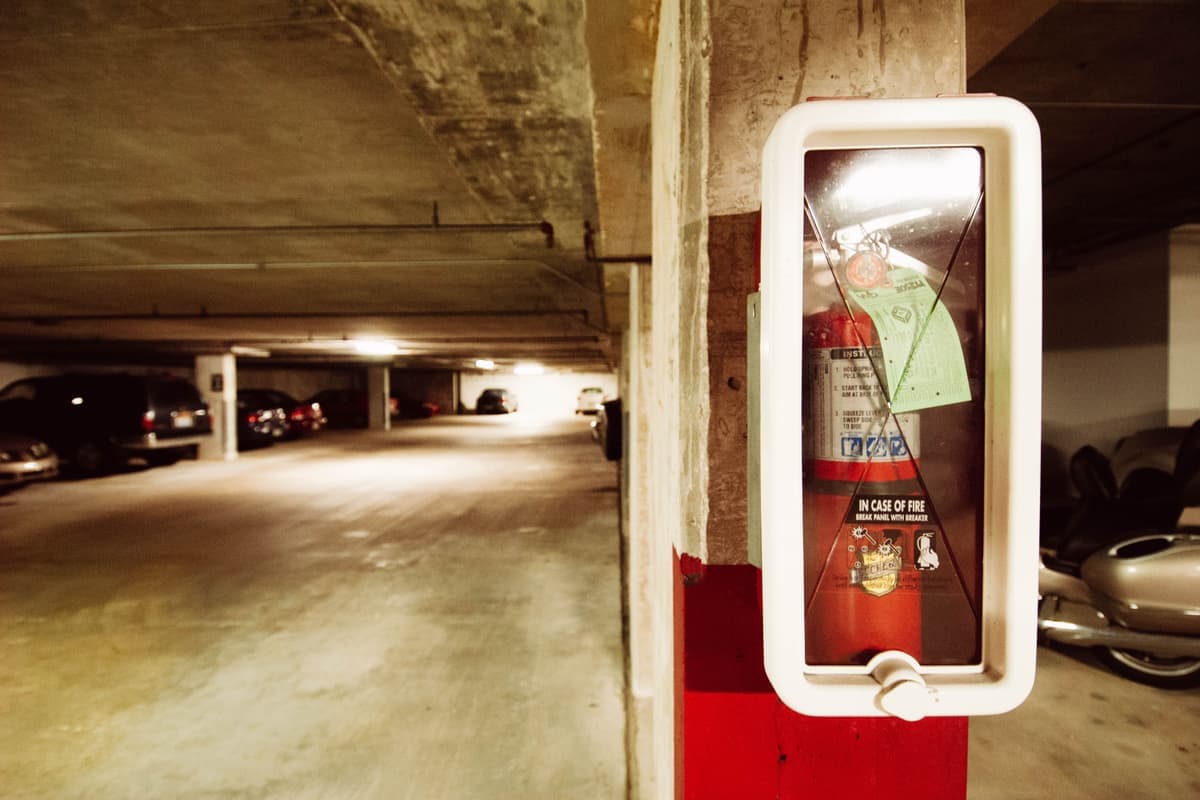
Most EV charging advice assumes a garage you own. If you rent an apartment or live in a condo with shared parking, you have a genuinely harder problem, and pretending otherwise helps nobody.
The good news: plenty of people do this successfully. The honest news: it usually means combining two methods rather than finding one perfect answer.
Option 1: An existing outlet near your space
Start by looking. Parking garages frequently have 120-volt outlets for maintenance equipment, and some have 240-volt ones. If there is a working outlet within reach of your space, ask building management whether you may use it and what they want to charge for the electricity.
Level 1 from a 120-volt outlet adds roughly 40 to 60 miles a night, which covers a great many commutes. Level 1 charging has the arithmetic. Do not run an extension cord across a shared garage -- it is both a trip hazard and a genuine electrical risk.
Option 2: Ask for a charger to be installed
Worth asking, and asked well it succeeds more often than people expect. What helps:
- Offer to pay for the installation. It is a permanent improvement to their property and removes their main objection.
- Propose metering, so they are not paying for your electricity. Many chargers report energy use, and some support per-user access.
- Point at any state or local right-to-charge rules. Several states have laws limiting a landlord's or HOA's ability to refuse a tenant-funded charger installation. Check whether yours does before you ask -- it changes the conversation.
- Ask about utility programs. Some utilities fund multifamily charging installations specifically, which turns your request into free infrastructure for the building.
- Suggest starting with one space. A single charger is a much smaller decision than a building-wide program.
Option 3: Charge somewhere else, deliberately
Not a failure -- for many apartment EV owners it is the main plan, and it works.
- Workplace charging, if your employer offers it. Free or cheap, and your car is parked there for eight hours anyway.
- A regular public Level 2 charger near where you shop or exercise. Two hours a week at a supermarket covers a lot of driving.
- DC fast charging once a week. Convenient and more expensive per mile; check your manufacturer's guidance on frequent fast charging.
Option 4: A portable charger and an opportunistic approach
A portable Level 2 unit with a range of adapters lets you use whatever outlet you can legitimately reach -- a relative's dryer outlet, a friend's garage, a campground TT-30. It is not a daily plan, but it turns occasional access into real range. The best portable chargers and outlet types.
Being honest about whether it works for you
If you have no home outlet access at all, no workplace charging, and no convenient public charger, an EV is harder to live with than the marketing suggests. That is worth knowing before you buy the car rather than after. Plenty of people in that situation are still perfectly happy with an EV -- but they went in knowing they would be charging in public, and planned around it.
FAQ
Questions people actually ask
How do I charge an EV in an apartment?
Can my landlord refuse to let me install an EV charger?
Is Level 1 charging enough in an apartment?
Can I run an extension cord to my car in a shared garage?
Sources
Where these numbers come from
- Alternative Fuel Infrastructure Tax Credit — US Department of Energy, Alternative Fuels Data CenterSearchable database of state and utility programs, including multifamily charging incentives.
Read next
Related reading
- Charging at 208 voltsWhy building power is often 208 V, the 13% speed difference that follows, and why the breaker and wire do not change.
- Level 1 charging: when the cable in your trunk is enoughHow fast Level 1 really is, and the math on whether it covers your daily driving.
- The best portable EV chargersPortable Level 2 chargers for renters and travelers, with the honest case for buying none.
- EV charger extension cords: the honest answerWhy household extension cords are dangerous for charging, and the safe alternatives.
- Outlet types for EV charging: a field guideEvery outlet you might charge from, what each delivers, and which adapters to carry.
- The best EV chargers for a condoChargers for a condo space: the HOA questions, metering, and units that suit a shared garage.
- The best EV chargers for rentersChargers that leave with you when the lease ends, and what to ask your landlord first.