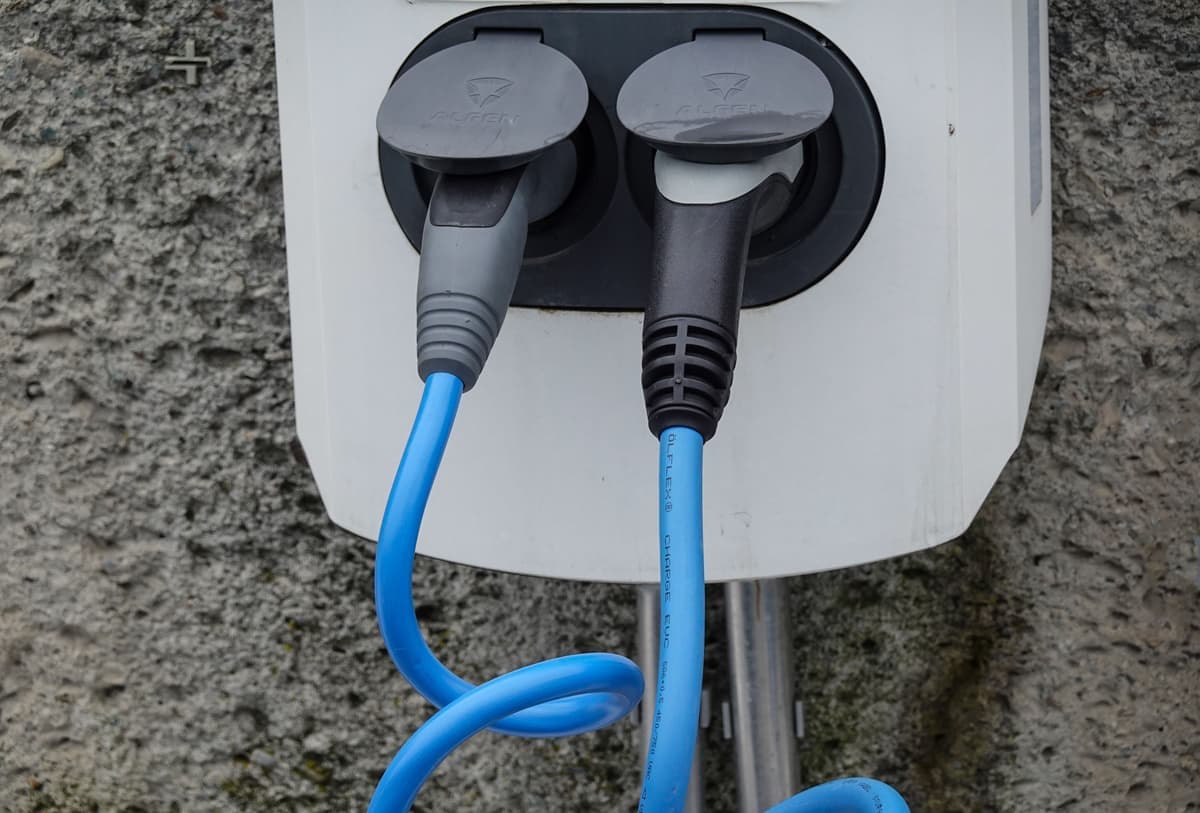
Best portable
The best portable EV chargers
Portable Level 2 chargers for renters and travelers, with the honest case for buying none.
Top pick: J+ Booster 2
Check price on Amazon#ad how we are fundedPortable & travel
Not everyone has a garage wall to bolt a charger to. Here is what works when you are renting, traveling, or simply not ready to commit to an installation.
By Sawyer V. · Published September 8, 2026
How this page is funded: we earn a commission if you buy through our Amazon links, at no extra cost to you. It does not change what we recommend, and we say plainly when the honest answer is to buy nothing. Full disclosure.
A large share of EV owners cannot install a wall charger. You rent. You park in a shared garage. You are not spending $1,500 on a house you might leave in a year. None of that means you cannot own an electric car -- it means your charging setup looks different, and almost nobody writes for you.
This section does. The short version: a portable charger plus the right adapter covers most of these situations, and for a lot of people the cable already in the trunk is genuinely enough.
The average US driver covers well under 40 miles a day. A Level 1 cable on a standard outlet, plugged in for twelve hours, adds roughly 36 to 60 miles. For a lot of households that closes the gap every night without spending anything.
Level 1 on a normal outlet
12 A x 120 V = 1.44 kW
1.44 kW x 3.5 mi/kWh = about 5 miles of range per hour
12 hours overnight = about 60 miles
Cars vary; run your own numbers in the charging speed calculator.
Where Level 1 stops working is when you drive more than it can replace, when your battery is large and you regularly arrive near empty, or when it is very cold -- cold weather costs both range and charging efficiency. Level 1 charging works through when it is enough and when it is not. If the grid itself is the thing that is missing, charging from a generator covers what that really involves. For the two portables worth comparing directly, see Lectron vs the Grizzl-E Mini Connect.
A portable Level 2 unit is the same technology as a wall charger with a plug on the end instead of a hardwired connection, usually capped around 32 amps. Plug it into a NEMA 14-50 and you get roughly 7.7 kW -- around 27 miles of range per hour, five times Level 1.
The appeal is that it is not attached to a building. It works at your parents' house, at a rental with a dryer outlet in the garage, at a campground, and at any Airbnb whose host will let you use an outlet. The best portable chargers covers what to look for.
This is the hardest case and it deserves an honest answer rather than a cheerful one. Sometimes the answer is a conversation with a landlord, sometimes it is a workplace charger, and sometimes it is accepting that public charging is your primary method. Charging in an apartment walks through the options in the order worth trying.
For road trips, the portable is a backup rather than a plan -- your plan is the fast-charging network along the route. What the portable does is turn a hotel parking lot, a relative's garage or a rented cabin into an overnight top-up. The road trip charging kit lists what is worth carrying and what is dead weight.
Everything in Portable
Grouped by what each one does. Every page names a recommendation or a next step rather than leaving you with a survey of options.
Best portable
Portable Level 2 chargers for renters and travelers, with the honest case for buying none.
Top pick: J+ Booster 2
Check price on Amazon#ad how we are funded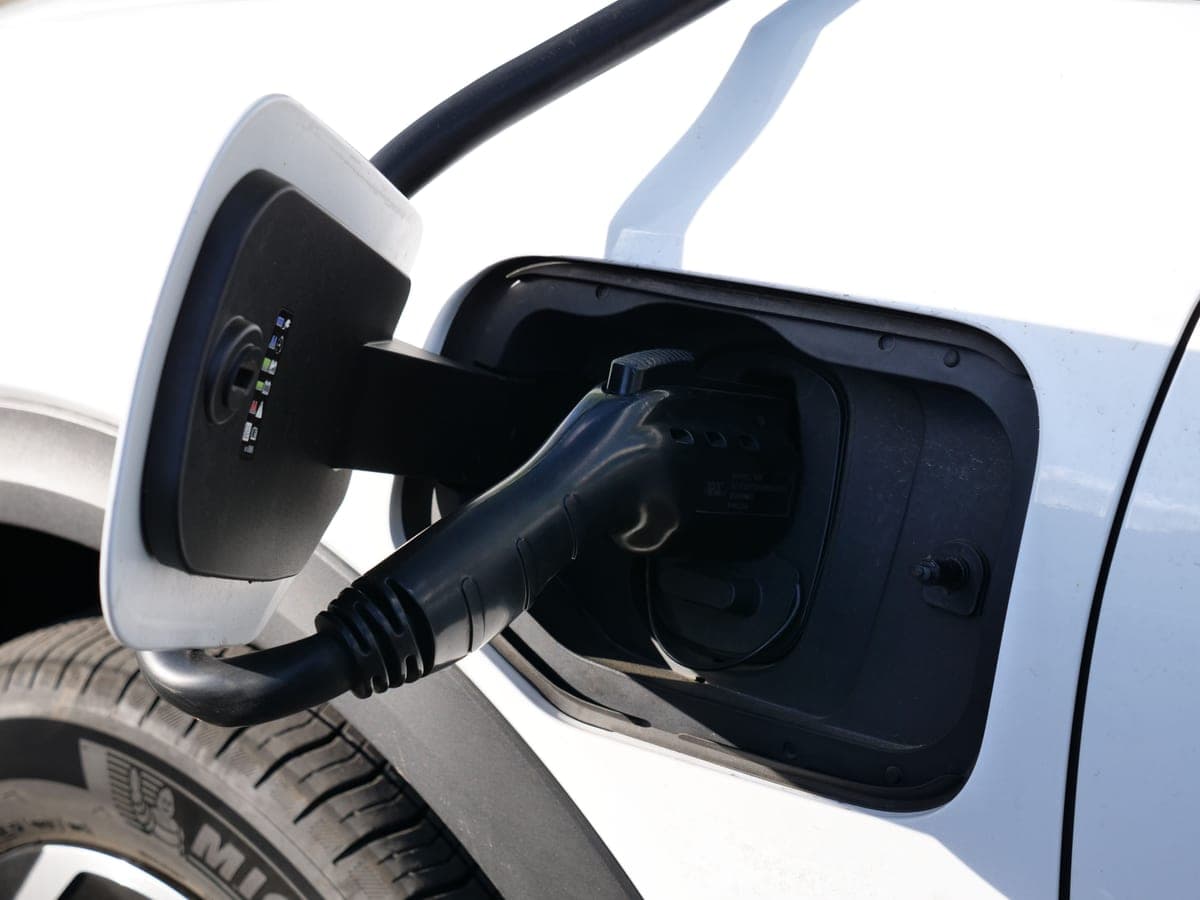
Best charging cable
Portable charging cables and properly rated J1772 extensions, plus the rule never to break.
Top pick: J+ Booster 2
Check price on Amazon#ad how we are funded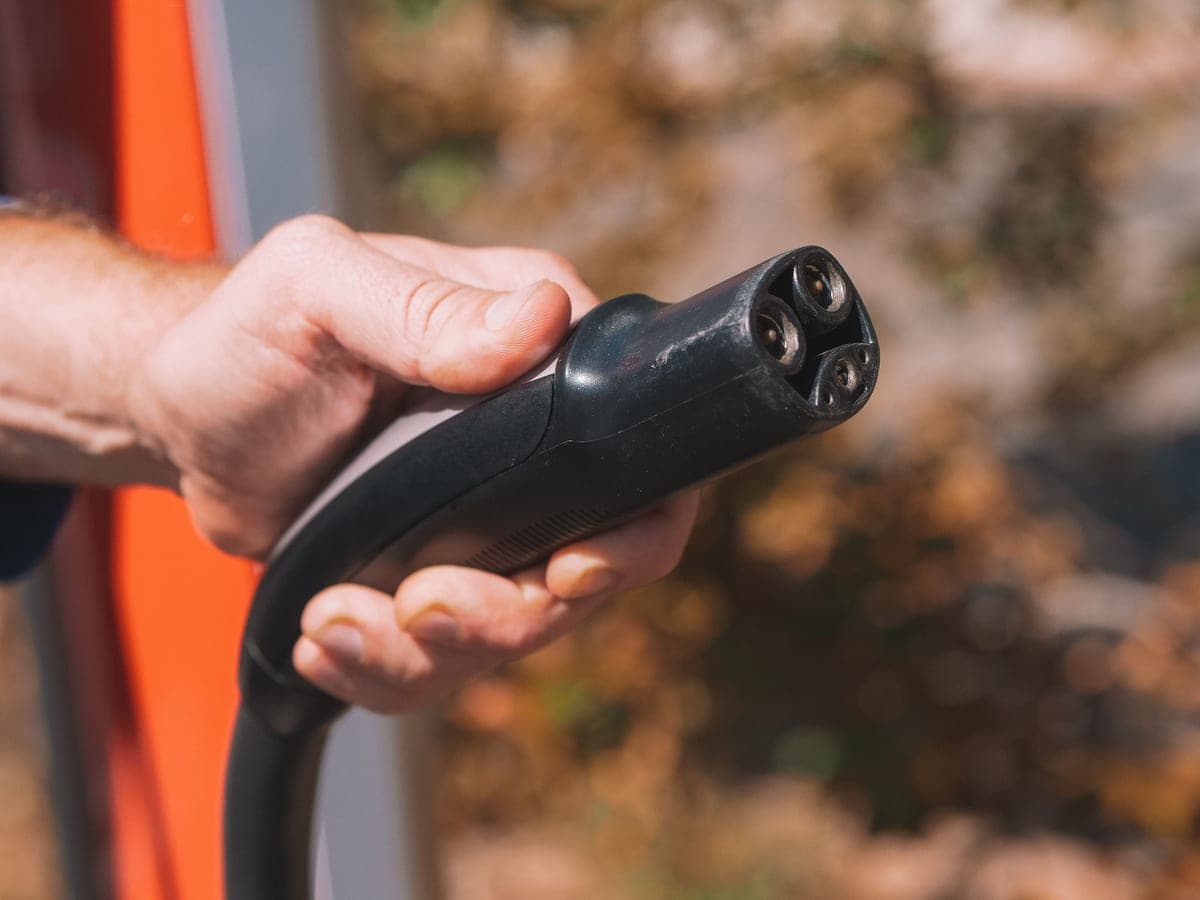
Best Level 1
Level 1 charging on a normal outlet: what it delivers, and when to buy anything at all.
Top pick: J+ Booster 2
Check price on Amazon#ad how we are funded
Best for campgrounds
Charging at RV parks: the adapters for TT-30 and 14-50 hookups, and the etiquette.
Top pick: J+ Booster 2
Check price on Amazon#ad how we are funded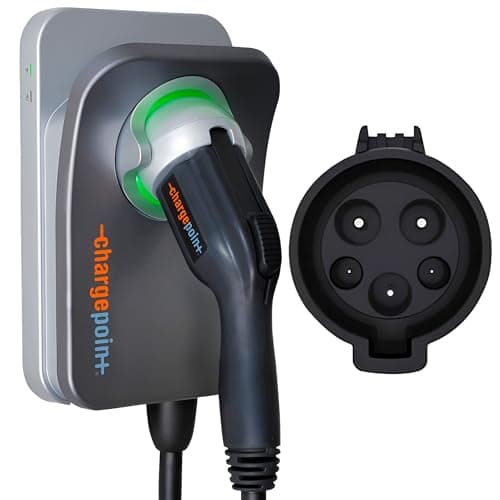
Best for condos
Chargers for a condo space: the HOA questions, metering, and units that suit a shared garage.
Top pick: ChargePoint Home Flex
$549.00 · View on Amazon#ad how we are funded · price as of October 27, 2026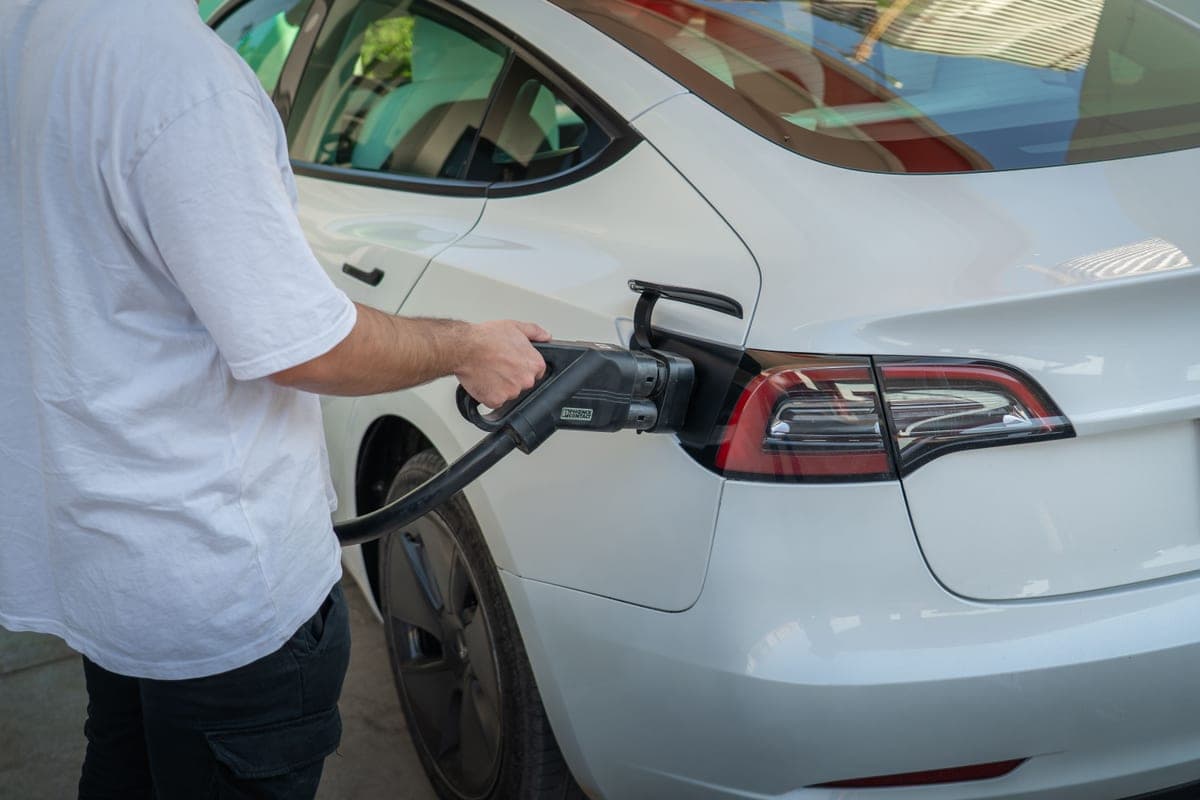
Best portable for Tesla
Native NACS portables for a Tesla, and when a J1772 portable plus the Tesla's adapter is smarter.
Top pick: Lectron Portable Level 2 Tesla EV Charger (40 A)
Check price on Amazon#ad how we are funded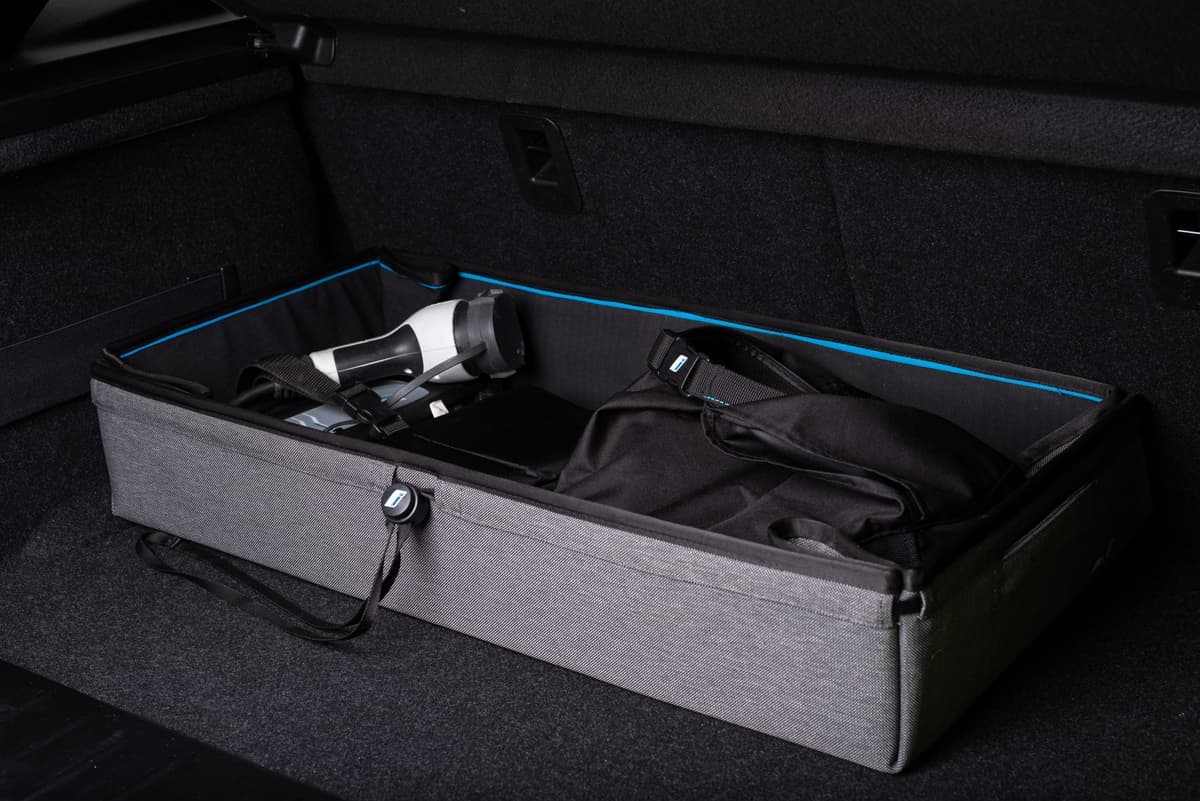
Best dual-voltage
Portables that run from a standard outlet and a 240 V outlet, and how fast each one really is.
Top pick: Lectron Portable Level 1 & 2 Tesla NACS EV Charger
Check price on Amazon#ad how we are funded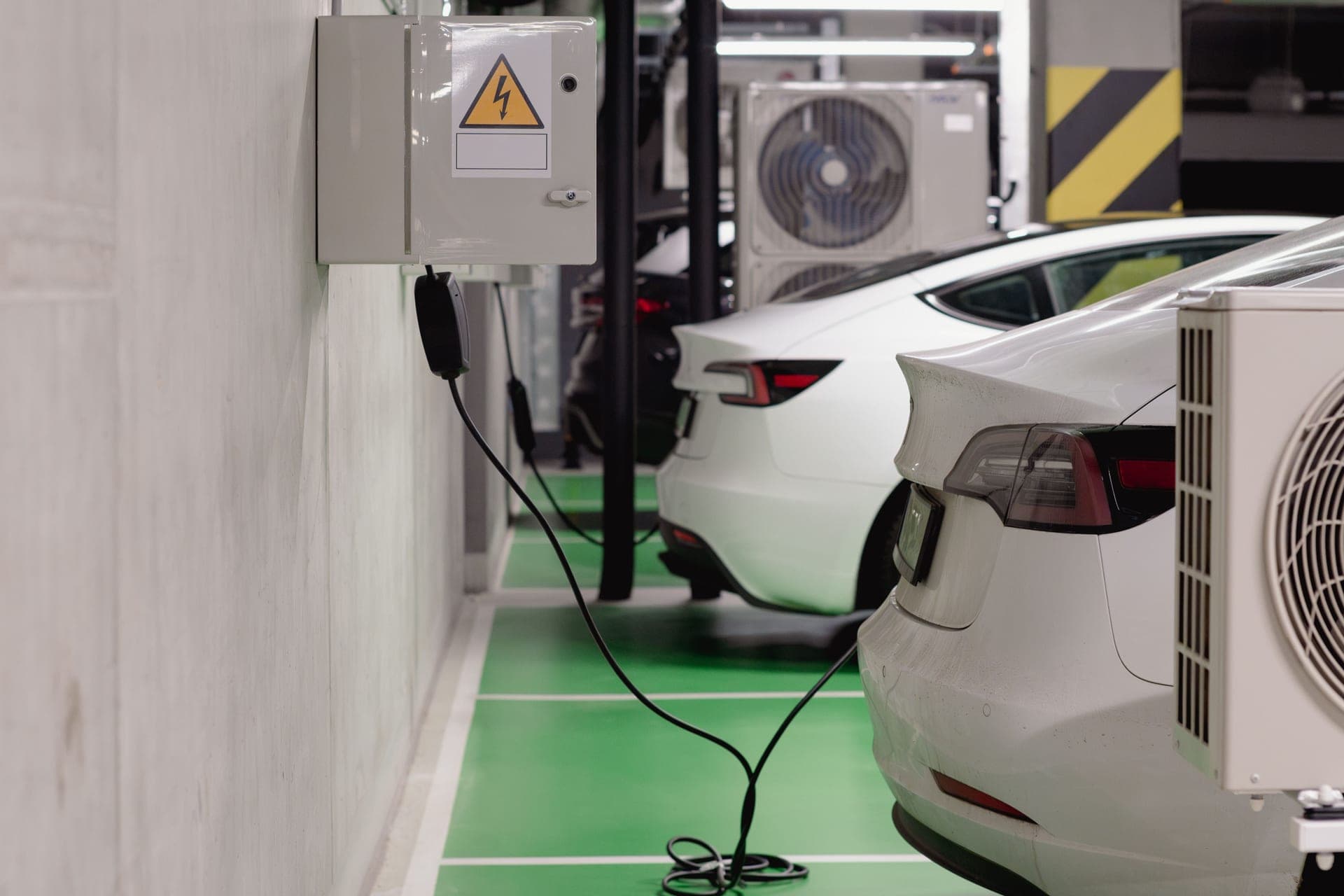
Best for renters
Chargers that leave with you when the lease ends, and what to ask your landlord first.
Top pick: J+ Booster 2
Check price on Amazon#ad how we are funded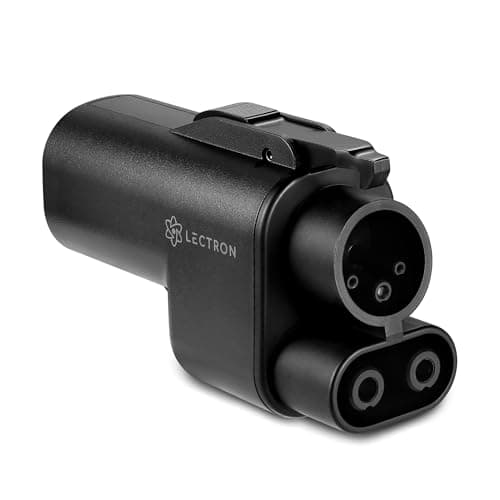
Best NACS-to-CCS
What to check before buying a Supercharger adapter, why UL 2252 matters, and two options compared.
Top pick: Lectron Vortex Plus NACS to CCS1 adapter
$199.99 · View on Amazon#ad how we are funded · price as of October 27, 2026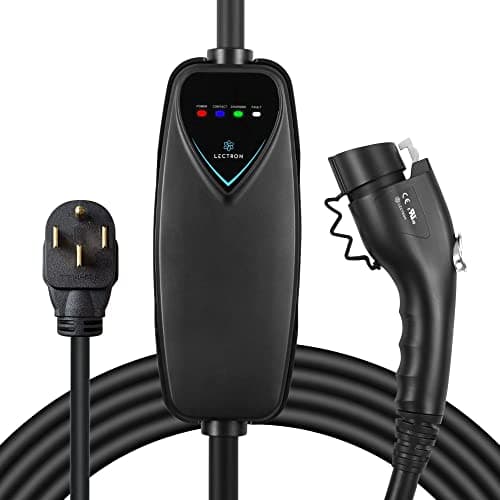
Single model
32 A from a NEMA 14-50 with a 5-15 adapter included. The straightforward travel option.
Single model
40 A, eight current settings, IP67, ETL certified, 2.2 lb. The premium portable.
Single model
40 A, LCD display and delay timer at the budget end, with a certification caveat.
Single model
40 A, native NACS, a 14-50 plug and a 16 ft cable: where Lectron's Tesla portable fits.
Single model
Level 1 and Level 2 in one NACS portable, a 20 ft cable and a wall mount: who it suits.
Single model
UL 2252 certified, 500 A, IP67, V3 and V4 only: who Lectron's Supercharger adapter suits.
Single model
Dual temperature sensors, an interlock and a hard case -- and a UL 2252 certificate A2Z says is pending.
Single model
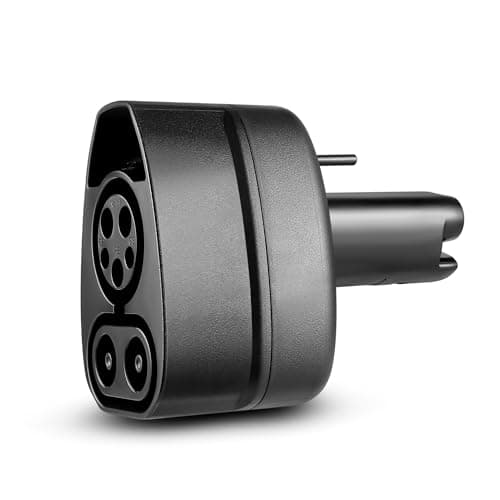
CCS1 fast chargers for a Tesla: 500 A, UL 2252 per Lectron, and the retrofit check to make first.
Single model
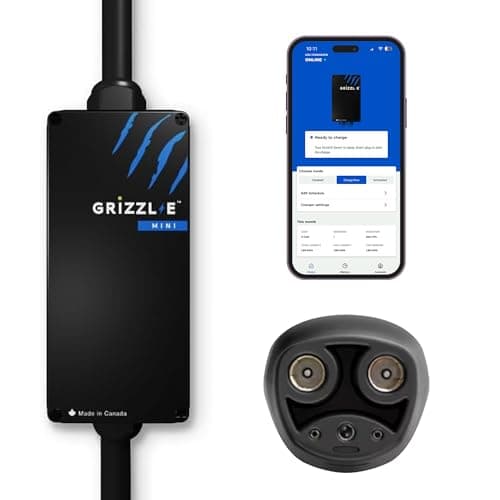
A 40 A portable with a 25 ft cable, four adapters and an app. Who should buy it over a wall unit.
Head to head
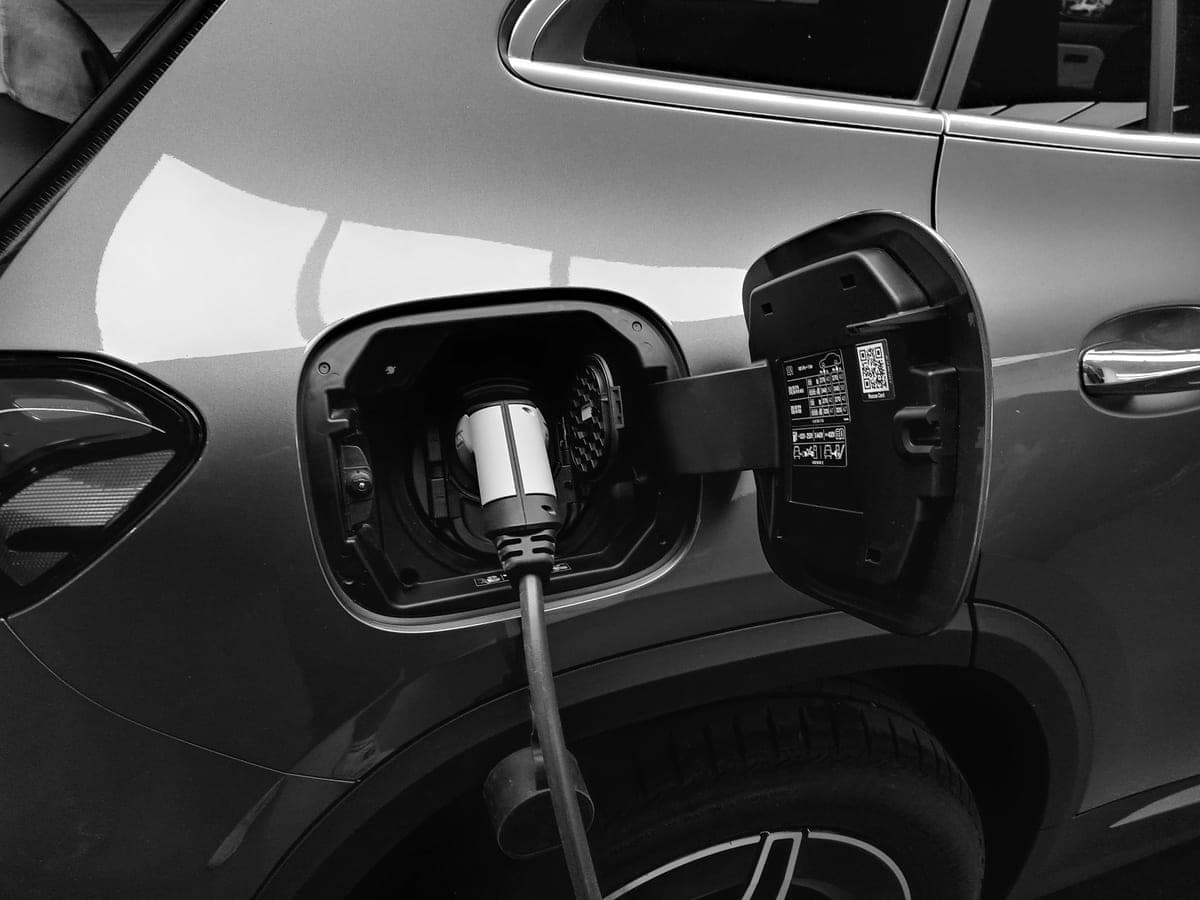
Two portables compared: 40 A rugged and adjustable against 32 A and simpler.
Head to head
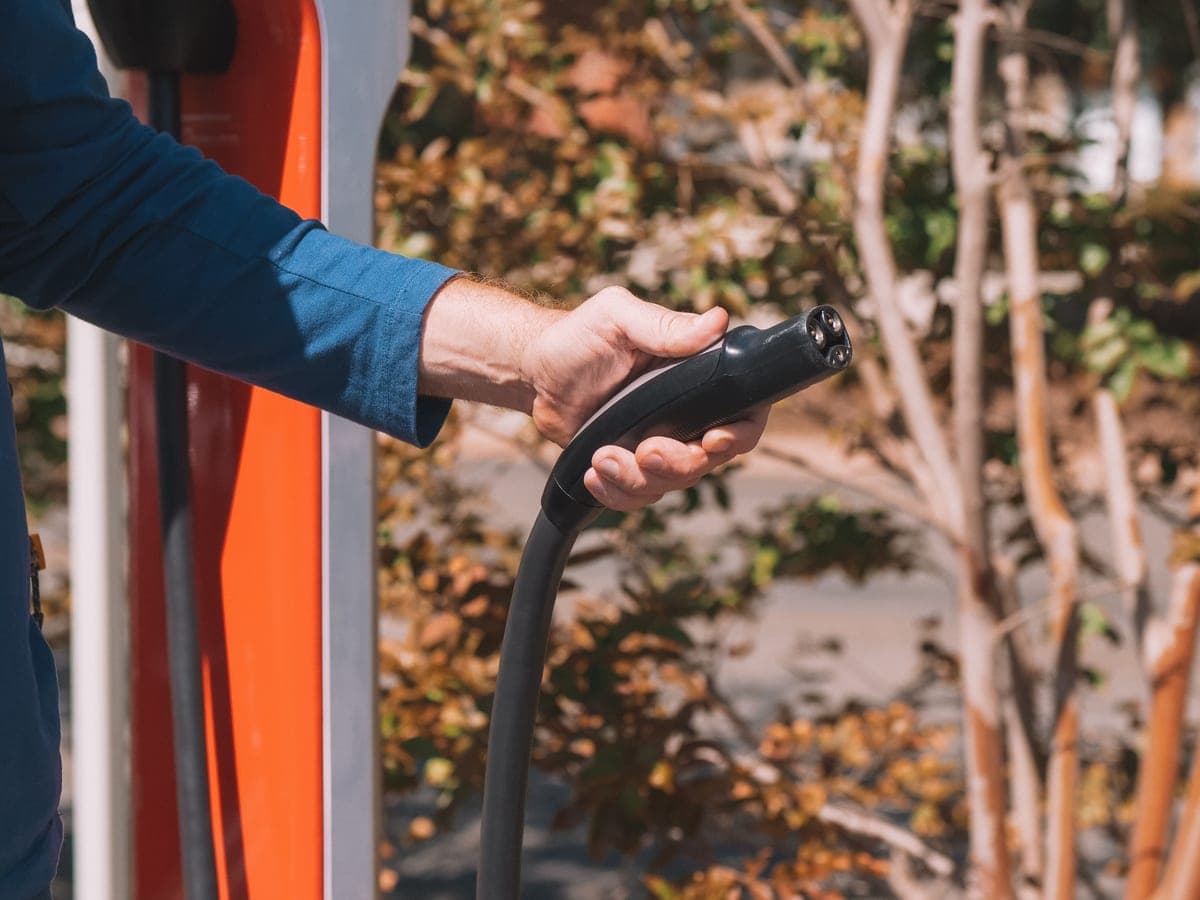
Same 40 A: a verifiable listing and rugged body against a display and delay timer.
Head to head
Who a portable charger is worth it for, and who should put one on the wall instead.
Head to head
32 A with a published UL listing against 40 A with a longer cable, and the check to make before buying.
Head to head
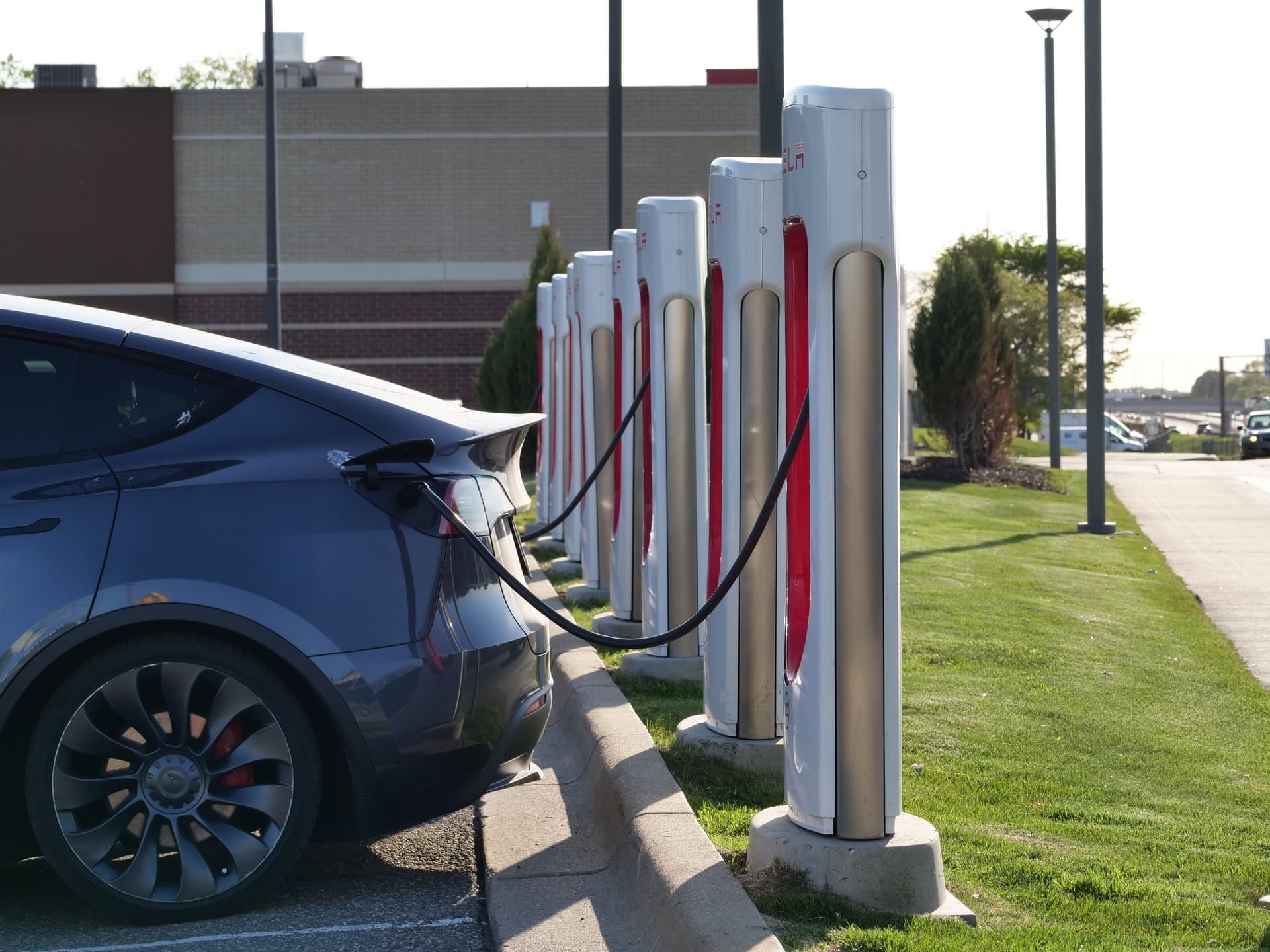
Two Supercharger adapters with near-identical ratings; the published UL 2252 certification decides it.
Head to head
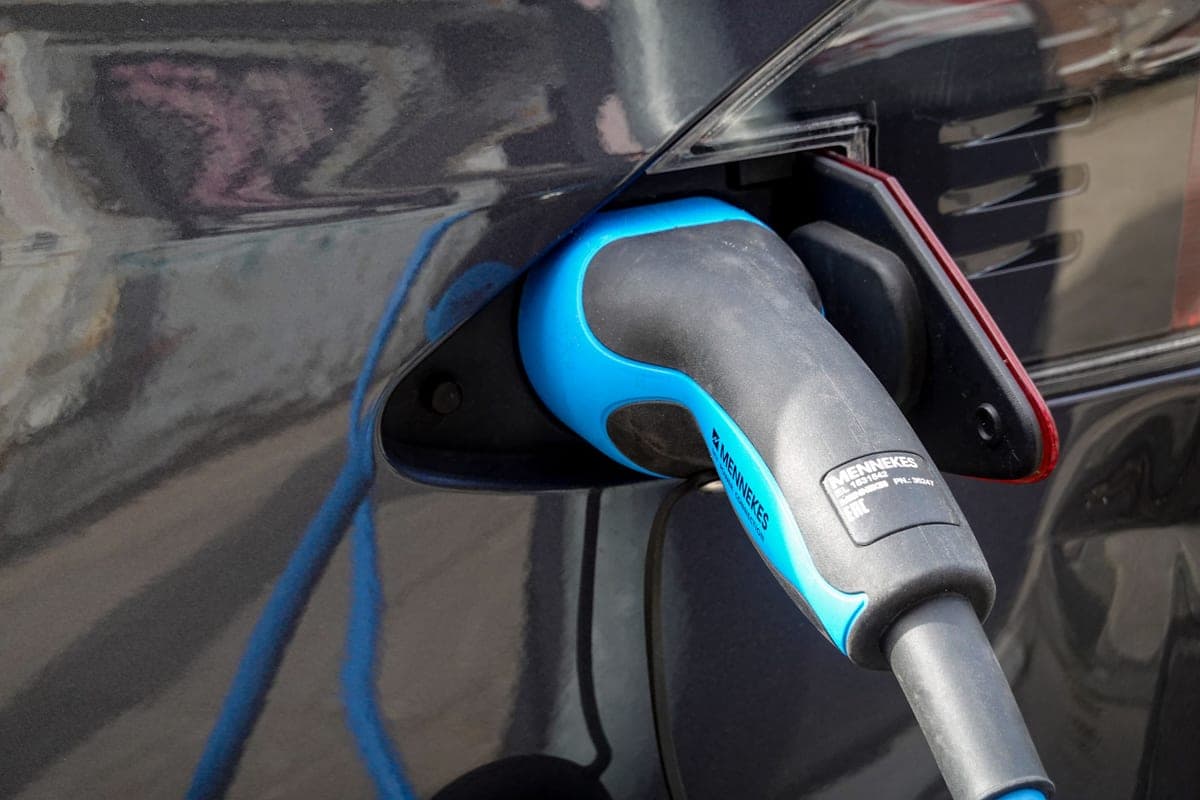
What 16 A, 32 A and 40 A deliver overnight, which outlet each needs, and how to choose.
Head to head
32 A travel cordset against a 40 A metal-cased portable with four adapters, an app and a -22 F rating.
Guide
How fast Level 1 really is, and the math on whether it covers your daily driving.
Guide
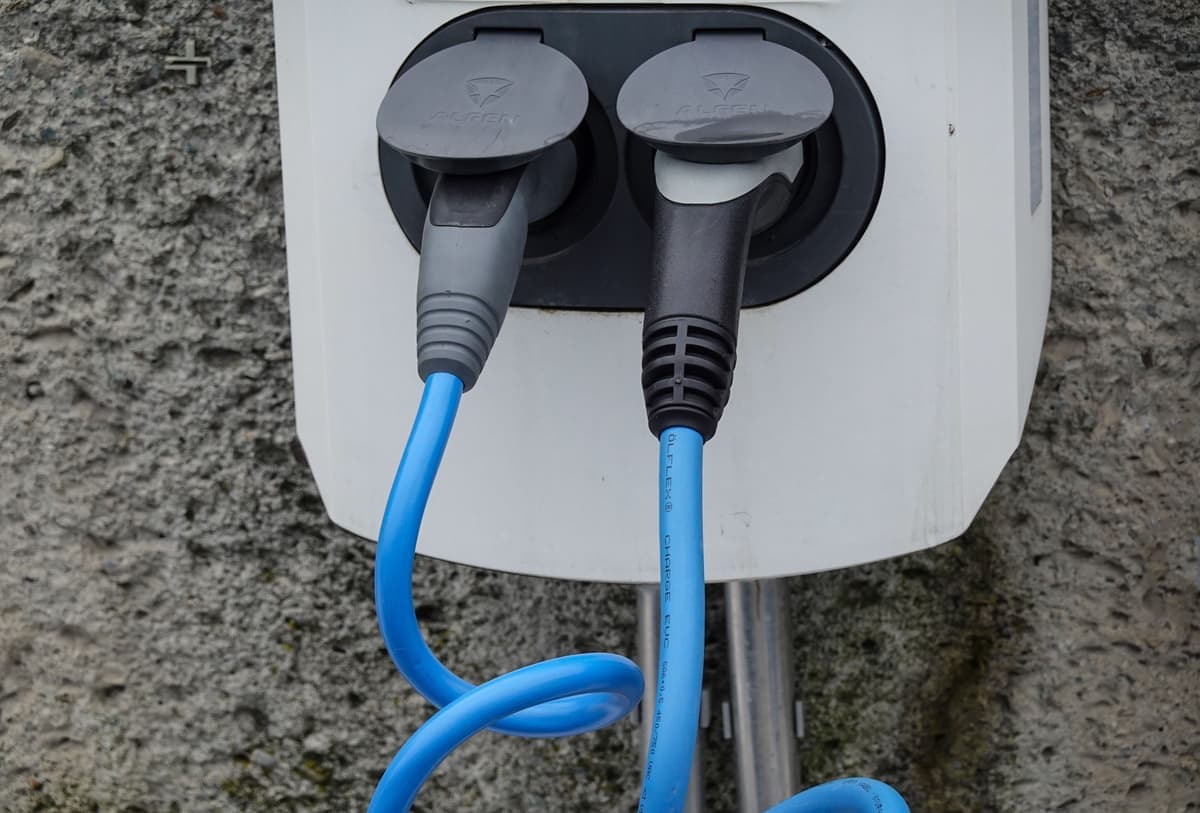
Why household extension cords are dangerous for charging, and the safe alternatives.
Guide
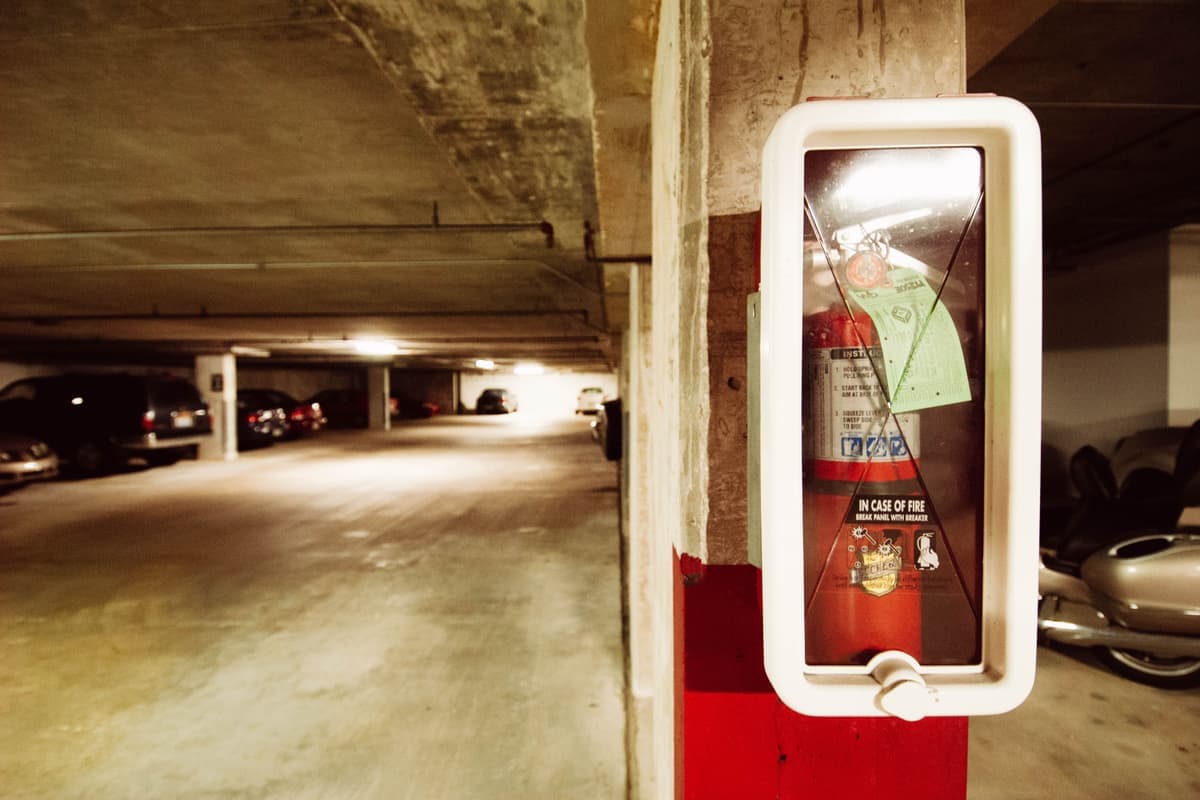
The realistic options for apartment EV charging, ranked by how well they actually work.
Guide
Which adapters and cables earn their space on a road trip, and what is dead weight.

Guide
What to ask before booking, which outlets to look for, and the etiquette that gets a yes.
Reference
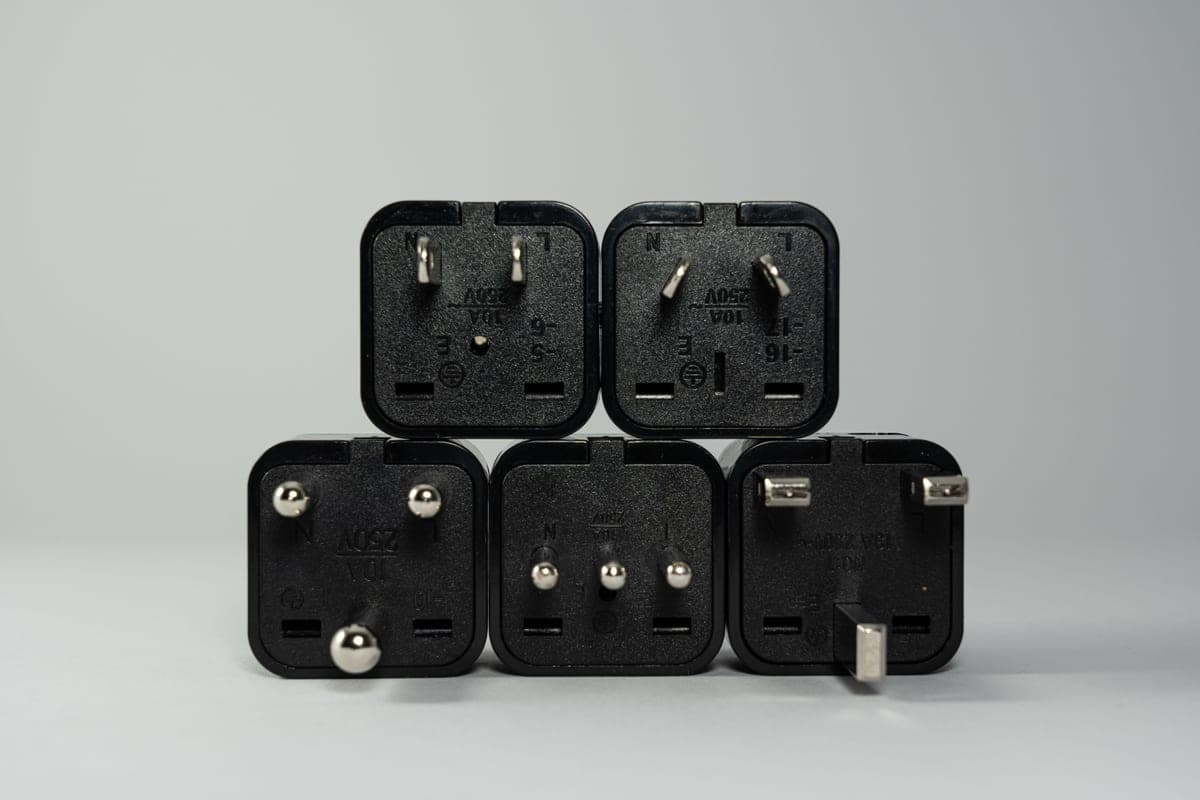
Every outlet you might charge from, what each delivers, and which adapters to carry.
Guide
What genuinely helps if you run low, and why emergency battery packs are not the answer.
Guide
The six checks that separate a portable charger you can trust from one you should not.
Guide
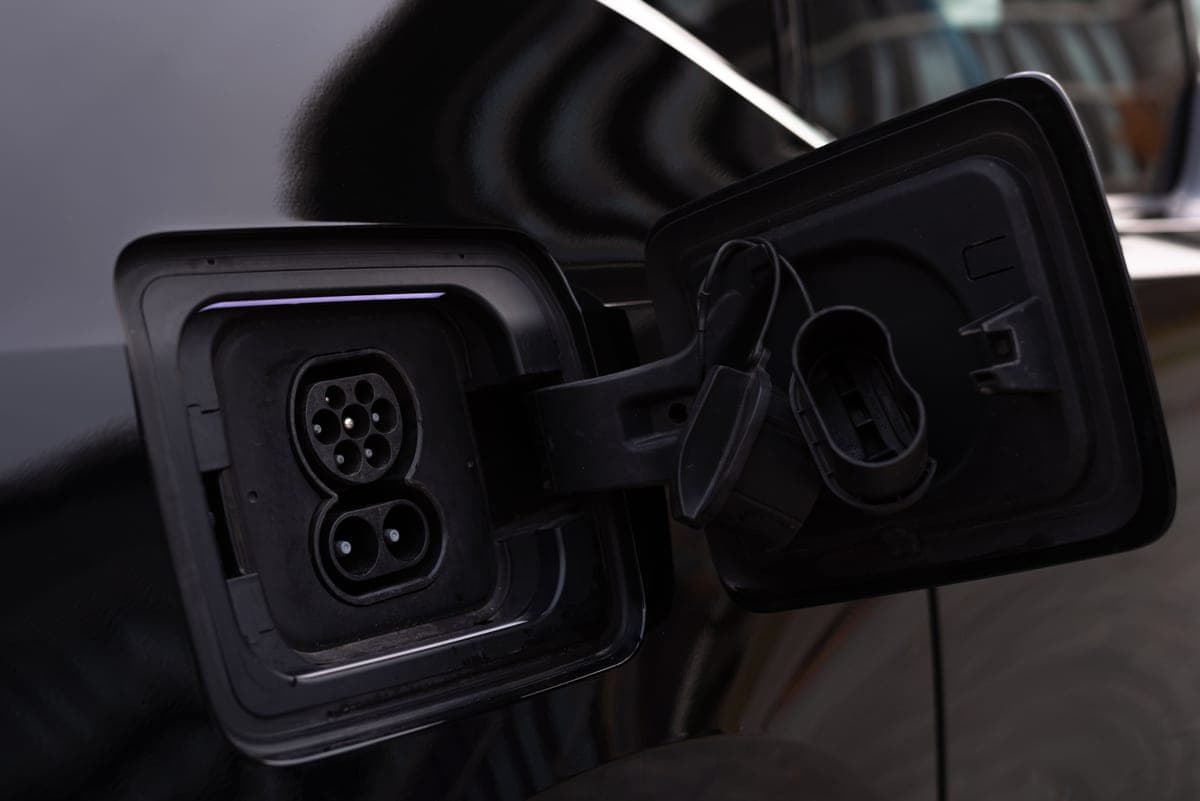
Tesla's home chargers and Tesla's Superchargers, for a non-Tesla: what works, and what to buy.
Guide
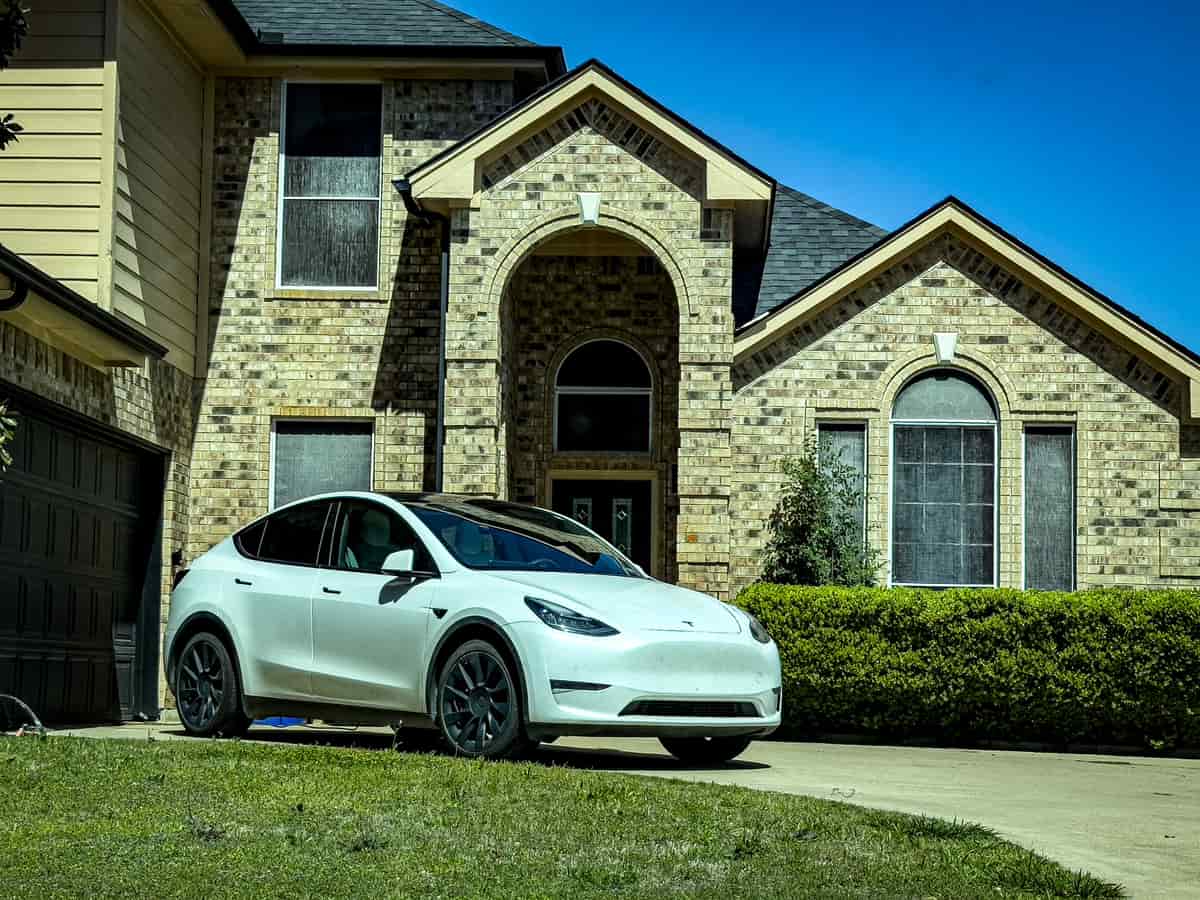
The two adapters a Tesla needs away from Superchargers, and the retrofit check to make first.
Guide
The four cases where a portable is the right answer, and the cases where it is a compromise.
Guide
Why most portable generators refuse to charge an EV, the fix, what it costs per mile, and the cases where it is genuinely worth it.
FAQ
Sources