Safety
Is home EV charging safe?
Yes, when the circuit is right and the equipment is listed. Here are the things that genuinely matter and the things that do not.
By Sawyer V. · Published September 8, 2026
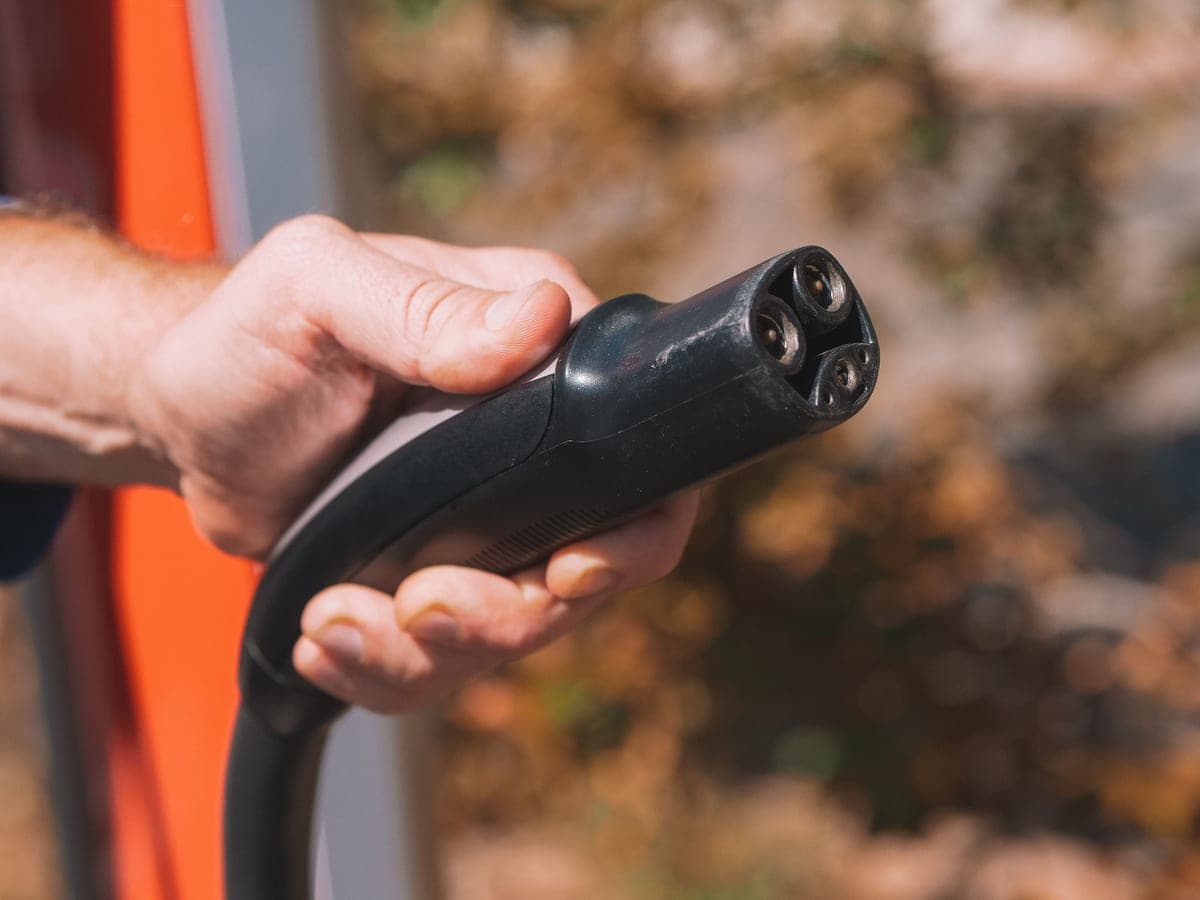
Home EV charging is a mature, heavily standardized technology. The connector will not energize until the car and the charger have confirmed a proper connection, the equipment carries ground-fault protection, and the whole thing is designed around being used outdoors by people in a hurry.
That said, three things genuinely matter, and they are all about the installation rather than the charging.
The three things that actually matter
- A properly sized, properly installed circuit. A charger draws 32 to 48 amps continuously for hours. Undersized conductors or loose terminations heat up gradually over months. This is the real risk, it is invisible, and it is why the wiring is done by a licensed electrician and checked by an inspector. Breaker and wire size.
- A genuinely listed charger. UL listed, ETL listed, or tested to UL standards by CSA. Not "UL certified components". Safety certifications.
- No extension cords, ever. The single most common dangerous shortcut in home charging. Why.
Things that are not risks
| Worry | Reality |
|---|---|
| Charging in the rain | Designed for. The connector does not energize until the car and charger confirm the connection. |
| Charging in a snowstorm | Fine, within the unit's published temperature range. |
| Touching the connector | The contacts are not live until a proper connection is established. |
| Charging overnight unattended | Normal, and what the equipment is designed for. |
| Charging in an attached garage | Normal. Follow your car's and charger's guidance on ventilation and clearances. |
| Leaving it plugged in when full | Fine. The car stops drawing power when it reaches its limit. |
Warning signs to act on
- A warm or hot plug, receptacle or faceplate. Stop using it and call an electrician. This is the sign that matters most.
- Discoloration or scorch marks around outlet slots.
- A burning or hot-plastic smell near the charging point.
- A breaker that trips repeatedly -- see GFCI nuisance tripping for how to work through it.
- Visible damage to the cable or connector -- cuts, crushing, exposed conductor. Stop using it.
- Flickering lights when charging starts.
Good habits
- Hang the connector in its holster, pointing down, so water does not collect in it.
- Do not drive over the cable. Route it so you cannot.
- Inspect the cable occasionally along its full length, particularly where it meets the connector.
- Keep the area clear -- do not stack boxes against the charger.
- Check the receptacle temperature after a long session in the first weeks of a new installation.
FAQ
Questions people actually ask
Is it safe to charge an EV at home?
Yes, with a properly sized and installed circuit and listed equipment. The real risk is not charging itself but an inadequate circuit -- which is why the wiring is licensed work and gets inspected.
Is it safe to charge an EV in the rain?
Yes. The connector does not energize until the car and charger have confirmed a proper connection, and the equipment is designed for outdoor use.
Can I leave my EV charging overnight?
Yes, that is what it is designed for. The car stops drawing power when it reaches its charge limit.
What are the warning signs of an EV charging problem?
A warm plug or receptacle, discoloration around outlet slots, a burning smell, repeated breaker trips, or visible cable damage. Any of these means stop and call an electrician.
Sources
Where these numbers come from
- NEC Article 625: EV charging equipment — WireRefRequirements for EV supply equipment, circuits and protection.
Read next
Related reading
- How to check an EV charger's safety certificationWhat UL, ETL and CSA marks mean, and the wording designed to look like certification.
- EV charger extension cords: the honest answerWhy household extension cords are dangerous for charging, and the safe alternatives.
- Why your EV charger keeps tripping the GFCI breakerWhy GFCI breakers trip on EV chargers and the safe sequence for diagnosing it.
- What size breaker and wire does an EV charger need?Breaker and wire size for every charger amperage, with the 125% rule worked through.
- Your EV charger is not working: what to checkThe six usual causes of a charge that will not start, in the order worth checking them.