Panel upgrades
Do you need a panel upgrade for an EV charger?
The single biggest cost in home charging, and the one worth trying hardest to avoid. Here is when it is genuinely necessary.
By Sawyer V. · Published September 8, 2026
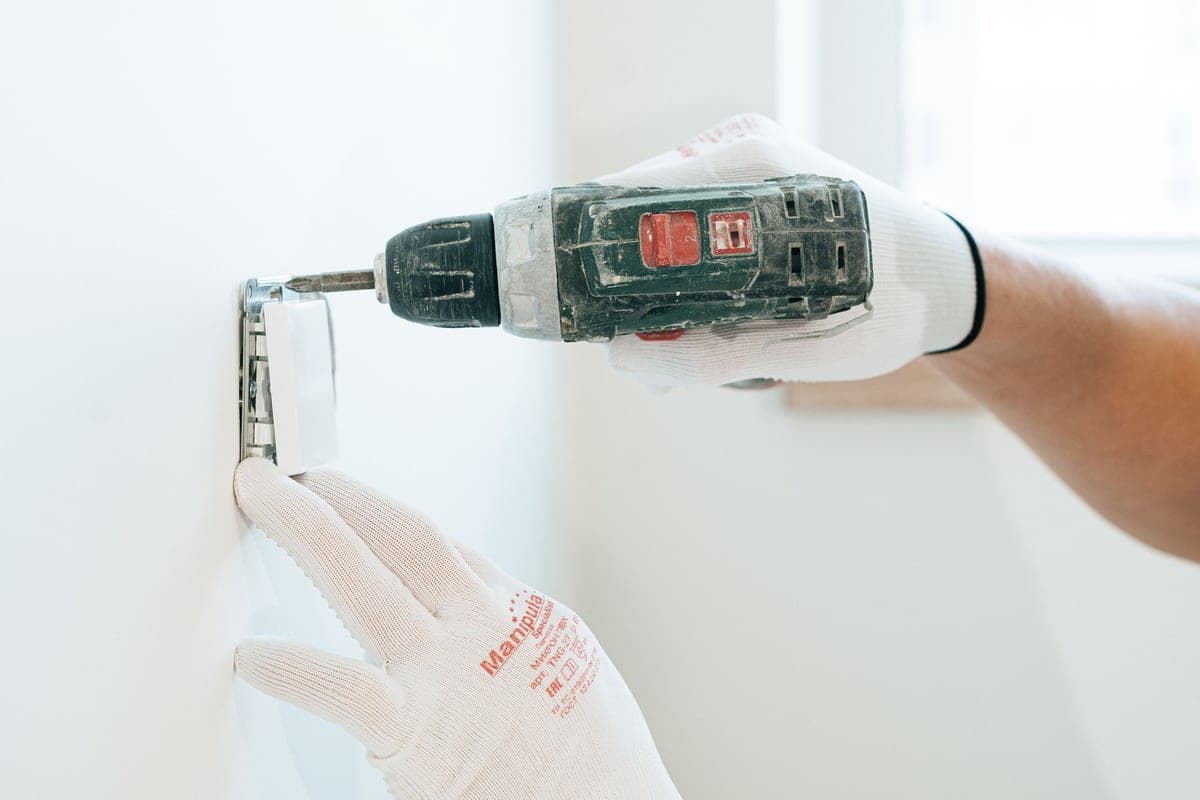
Two different problems that both get called "panel upgrade"
It is worth being precise, because the two have very different price tags.
| Problem | Solution | Published cost |
|---|---|---|
| No free breaker slots, but the service has capacity | Add a subpanel, or replace the panel with a larger one | $500 - $1,500 for a subpanel |
| Service cannot carry the load | Upgrade the service (e.g. 100 A to 200 A), which involves the utility | $1,500 - $4,000, plus utility charges |
Find out which one you have before you accept a quote. A load calculation tells you -- see electrical panel load calculation.
Try these three things first
- Ask for a load calculation based on measured demand. There is an accepted method that uses your actual peak usage from utility data rather than a theoretical total, and on an older home with a modest real load it often gives a more favorable answer.
- Fit a smaller charger. A 32-amp unit needs a 40-amp circuit instead of a 60-amp one, and adds roughly 270 miles of range over a ten-hour night. That is a large saving for a difference you may never notice.
- Use load management. A device that reduces or pauses charging when the rest of the house draws heavily lets you add a charger without adding service capacity. Load management explained covers how it works and what it costs you.
Any of these three can turn a $4,000 project into a $1,200 one. Ask about all three explicitly -- a quote for an upgrade is a larger job, and the alternatives are not always volunteered.
When an upgrade is the right call
- Your panel is old or obsolete. Certain older panel brands have known safety issues and are worth replacing regardless of the EV.
- You are electrifying more than the car -- heat pump, induction range, electric water heater. Do it once, properly.
- Your service is genuinely too small, typically 60 or 100 amps with substantial electric loads already.
- You are renovating anyway. Marginal cost is much lower when the walls are already open.
What the process involves
- Load calculation and quote. Get more than one.
- Permit. The electrician normally pulls it.
- Utility coordination. A service upgrade requires the utility to disconnect and reconnect, and sometimes to upgrade their own equipment. This is often the longest part of the timeline, not the work itself.
- The work. Typically a day, sometimes two, with the power off for a chunk of it.
- Inspection. Before the utility restores permanent service.
FAQ
Questions people actually ask
Do I need to upgrade my panel for an EV charger?
Only if a load calculation shows your service cannot carry the charger alongside existing loads, or you have no free breaker slots. Many homes add a charger with no panel work at all.
How much does a panel upgrade for an EV charger cost?
Published figures put a 100 A to 200 A service upgrade at roughly $1,500 to $4,000, plus any utility charges. A subpanel, which solves a slots problem rather than a capacity one, runs about $500 to $1,500.
Can I avoid a panel upgrade?
Often. A smaller charger, a load-management device, or a demand-based load calculation can each remove the need. Ask your electrician about all three.
How long does a service upgrade take?
The work itself is usually a day or two. The timeline is generally driven by utility scheduling for the disconnect and reconnect, which can add weeks.
Sources
Where these numbers come from
- Level 2 EV charger installation cost in 2026 — SimpleSwitchPublished subpanel and service-upgrade cost ranges. Fetched 2026-09-08.
- Electrical panel upgrade for EV charging, 2026 — Energy SolutionsCorroborating published panel-upgrade cost figures. Fetched 2026-09-08.
Read next
Related reading
- Can your electrical panel take an EV charger?What a load calculation is, what goes into it, and how to get a rough answer yourself.
- Load management: charging without a panel upgradeHow load management avoids a panel upgrade, what it costs in speed, and when to use it.
- What EV charger installation actually costsItemized 2026 installation costs with published ranges, plus the one variable that changes everything.
- Hiring an electrician for your EV chargerThe questions to ask, what a comparable quote contains, and the red flags.
- The best EV chargers for a 100-amp panelChargers that fit a 100-amp service, and the three ways to avoid an upgrade.
- Do you need a subpanel for an EV charger?When a charger needs a subpanel instead of a breaker, and why space and capacity are different problems.