Emergencies
Running low with nowhere to charge
Most of the products sold as EV emergency kit do not work. Here is what actually helps, including the boring answer that works best.
By Sawyer V. · Published September 8, 2026
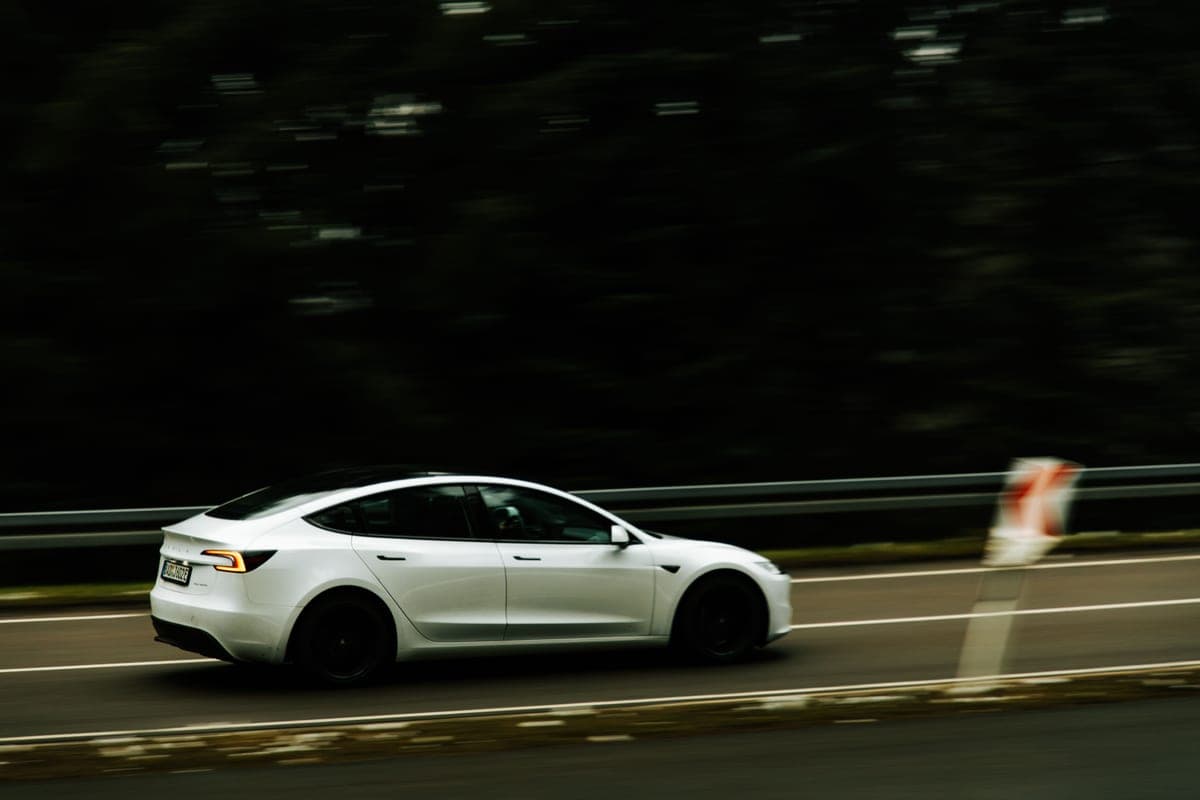
Running an EV to empty is rare, and it is worth being clear about why: the car warns you repeatedly, its navigation routes around chargers, and the failure mode is gradual. But it happens, and the internet's answers to it are mostly products that do not work.
What does not help
- Portable battery packs sold as EV jump-starters for the traction battery. A jump pack for a 12-volt battery is a genuinely useful thing and you may want one -- but it does nothing for the drive battery. The physics is unforgiving: a pack that could add meaningful range would itself be the size and weight of a small EV battery.
- Solar panels. A portable panel produces a tiny fraction of what a car needs. A day of sun might add a mile or two.
- A generator in the trunk. Heavy, noisy, and slower than simply having the car towed to a charger.
- Pushing the range estimate. The last few percent of an EV battery is the least predictable, particularly in cold weather or a headwind.
What genuinely helps
- A 12-volt jump pack. Not for range -- for the small battery that runs the car's electronics. On many EVs a dead 12-volt battery means the car will not power up at all, even with a full traction battery. This is a far more common EV roadside failure than running out of charge.
- Your Level 1 cable, always in the car. If you can reach any normal outlet -- a gas station, a restaurant that says yes, a friendly house -- an hour buys you about 5 miles. Two hours buys you enough to reach a real charger.
- A portable Level 2 charger with a 14-50 adapter. If you can reach an RV outlet, you are back in business in under an hour.
- Roadside assistance that covers EVs. Check whether yours does, and whether it tows to a charger or just to a garage. Some manufacturers include EV-specific roadside charging or towing.
- **Charger network apps installed and logged in *before* you need them.** Creating an account at 4% battery in a parking lot in the rain is a bad time to discover the app needs a verification email.
If you are actually about to run out
- Slow down. Aerodynamic drag rises sharply with speed, so dropping from 70 to 55 mph makes a substantial difference to remaining range.
- Turn off cabin heating, which is one of the largest non-driving loads. Air conditioning matters less but is not free. Heated seats use far less than cabin heat.
- Use the car's navigation to find the nearest charger rather than a third-party app, since the car knows its own state of charge and can route to something reachable.
- Head for any charger, not the best one. A slow Level 2 charger you reach beats a fast one you do not.
- Stop while you still have range to reach something, rather than gambling on the next exit.
FAQ
Questions people actually ask
What happens if my EV runs out of charge?
The car slows, then stops. You need a tow to a charger. Some manufacturers and roadside services offer EV-specific assistance -- check what yours covers before you need it.
Can I carry a battery pack to charge my EV in an emergency?
Not usefully. A pack capable of adding meaningful range would be as large and heavy as a car battery pack. A 12-volt jump pack is worth carrying, but for the small battery, not for range.
Do solar panels work for emergency EV charging?
Not meaningfully. A portable panel might add a mile or two over a day of sun.
How do I get more range when the battery is nearly empty?
Slow down, turn off cabin heating, and use the car's own navigation to route to the nearest reachable charger. Do not gamble on the next exit.
Sources
Where these numbers come from
- Lectron Level 2 EV chargers — LectronReference for portable charger output and Level 1 adapter capability.
Read next
Related reading
- EV charging in a power outageWhy a wall charger stops with the grid, what a battery and a generator really deliver, and the free step that beats both.
- Charging an EV from a generatorWhy most portable generators refuse to charge an EV, the fix, what it costs per mile, and the cases where it is genuinely worth it.
- What to pack in an EV road trip charging kitWhich adapters and cables earn their space on a road trip, and what is dead weight.
- Level 1 charging: when the cable in your trunk is enoughHow fast Level 1 really is, and the math on whether it covers your daily driving.
- EV charging in cold weatherWhat cold does to range and charging, and the habits that make winter a non-event.
- The best portable EV chargersPortable Level 2 chargers for renters and travelers, with the honest case for buying none.
- EV charger accessories: worth it, or skip itWhich EV accessories earn their place, which are situational, and which to skip.